

Living in a cluttered home can feel overwhelming, but the good news is that you don't need to tear down walls or invest in expensive renovations to gain more storage space.
With some creativity and smart organization, you can maximize every inch of your existing space and transform even the most cramped areas into efficient storage zones.
Whether you're dealing with a small apartment or a house that's simply accumulated too much stuff over the years, these practical strategies will help you reclaim your space without breaking the bank or disrupting your daily life.
Jump to:
- Considering Off-Site Options for Seasonal and Bulky Items
- Maximize Vertical Space in Every Room
- Transform Underused Areas into Storage Goldmines
- Invest in Multi-Functional Furniture
- Declutter and Reorganize What You Already Have
- Optimize Closet Space With Smart Organization
- Utilize Kitchen and Bathroom Spaces More Efficiently
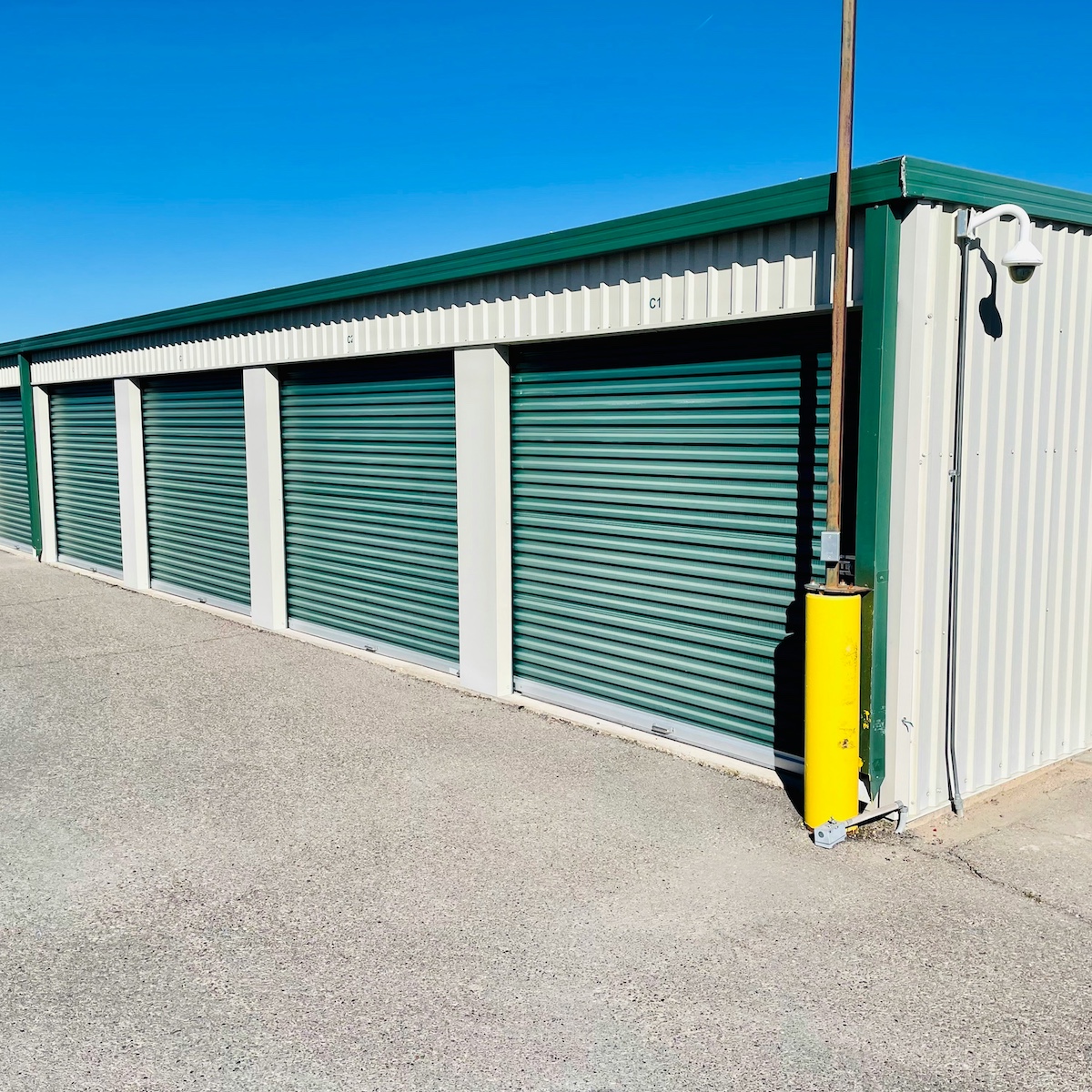
Considering Off-Site Options for Seasonal and Bulky Items
Sometimes the best way to create more space in your home is to temporarily move items elsewhere.
If you have seasonal decorations, sports equipment, or bulky items that you only use occasionally, renting storage units can be a practical solution.
This approach works particularly well for things like holiday decorations, winter sports gear during summer months, or furniture you're keeping for sentimental reasons but don't currently need.
By moving these items off-site, you free up valuable space in your home for everyday essentials while keeping your belongings safe and accessible when you need them.
Maximize Vertical Space in Every Room
Most people focus on floor space when organizing, but walls offer tremendous storage potential.
Installing floating shelves in your living room, bedroom, or hallway creates display and storage areas without taking up any floor space.
Go high with your shelving, extending all the way to the ceiling if possible. Use the top shelves for items you rarely need and keep frequently used items at eye level.
In the kitchen, mount magnetic strips on walls to hold knives and metal utensils, or install a pegboard system for pots, pans, and cooking tools.
Even narrow walls can accommodate slim shelving units, perfect for books, decorative items, or everyday necessities.
Transform Underused Areas into Storage Goldmines
Your home likely has several underutilized spaces that could become valuable storage areas. The space under your stairs can be fitted with custom drawers or pull-out shelves. The area above your doors can hold shallow shelves perfect for books or decorative boxes.
Under your bed is prime real estate for storage bins containing out-of-season clothing, extra linens, or shoes. Install hooks on the back of doors for hanging bags, jewelry organizers, or over-the-door shoe racks.
Even the space under your bathroom sink can be optimized with stackable organizers or pull-out drawers. Corner spaces throughout your home can accommodate corner shelving units or triangular storage cabinets that fit snugly into these often-wasted areas.
Invest in Multi-Functional Furniture
Furniture that serves double duty is essential for maximizing storage without renovating. Ottoman storage benches provide seating while hiding blankets, toys, or magazines inside.
Coffee tables with built-in shelving or lift-top designs offer both surface space and concealed storage. Beds with built-in drawers underneath eliminate the need for a separate dresser. L
ook for dining tables with shelves beneath the tabletop or benches with hinged seats that open for storage.
Wall-mounted drop-leaf tables can be folded away when not in use, and some even include small storage compartments.
Declutter and Reorganize What You Already Have
Before adding any storage solutions, take time to sort through your belongings and eliminate items you no longer need or use.
Go through each room systematically, creating three piles: keep, donate, and discard. Be honest about what you actually use versus what you're keeping out of guilt or obligation.
Once you've pared down your possessions, organize what remains by category and frequency of use. Keep everyday items easily accessible and store rarely used things in less convenient spots.
Use clear containers so you can see what's inside without opening them, and label everything clearly. Set a regular schedule to reassess your belongings, perhaps every few months, to prevent clutter from building up again.
This ongoing maintenance ensures your newly organized spaces stay functional and manageable over time.
Optimize Closet Space With Smart Organization
Closets often waste considerable space due to poor organization. Start by installing a second hanging rod beneath your existing one to double your hanging capacity for shorter items like shirts and folded pants.
Add shelf dividers to keep stacks of clothes from toppling over. Use slim velvet hangers instead of bulky plastic ones to fit more clothes in the same space. Install hooks on the inside of closet doors for bags, scarves, or belts. Shoe organizers can hold more than just shoes; use the pockets for accessories, cleaning supplies, or craft materials.
Consider adding a small dresser or set of drawers inside a large closet to maximize floor space.
Vacuum-sealed bags can compress bulky items like winter coats and comforters, creating significant extra room. Group similar items together so you can quickly find what you need without disrupting your entire organizational system.
Utilize Kitchen and Bathroom Spaces More Efficiently
Kitchens and bathrooms present unique storage challenges due to their specialized purposes. In the kitchen, use drawer dividers to organize utensils and gadgets instead of tossing everything into one jumbled drawer. Install pull-out shelves in lower cabinets to access items in the back easily.
Hang a pot rack from the ceiling or mount one on the wall to free up cabinet space. Use the inside of cabinet doors for storing lids, measuring spoons, or cleaning supplies with adhesive hooks or small racks.
In the bathroom, add a shelf above the toilet, install corner shelves in the shower, or use a rolling cart that fits in tight spaces to hold toiletries and towels.
Creating more storage space without renovating is entirely possible with thoughtful planning and creative solutions.
- Behind the Science of Modern Skincare: How Research Labs Study Bioactive Peptides in Cell-Culture Models
- What Are the Key Steps for Starting ABA Therapy in Maryland for Autism?
- A Busy Family’s Guide to Keeping the Plumbing Happy
- How to Grow a Home-Based Business Without Putting Your Family Budget at Risk


By thinking vertically, utilising forgotten spaces, choosing multi-functional furniture, and organising what you already have, you can transform your home into a more spacious and functional environment.
The key is to assess your specific needs, identify unused areas, and implement solutions that work for your lifestyle.
With these strategies, you'll enjoy a more organised home without the expense and disruption of major renovations.



Leave a Reply