

Walk around almost any house with a basement, and you'll spot them. Little half-circle pits dug into the ground beside the foundation, lined with metal or plastic, sitting just below a window.
They look like miniature castle moats, minus the drawbridge and the crocodiles.
Most people never give them a second glance. Maybe a few leaves pile up, maybe a toad moves in for the summer.
But that humble window well does real work, holding back soil and keeping a pocket of open space around a window below ground level.
When it starts to fail, though, that little moat can turn into a big headache. Rusting walls, collapsing soil, and pooling water can put the basement at risk.
That's why window well replacement Fort Collins homeowners consider sometimes ends up being one of the smartest small projects around the house.
Jump to:
Why Basement Windows Need Their Own Underground Space
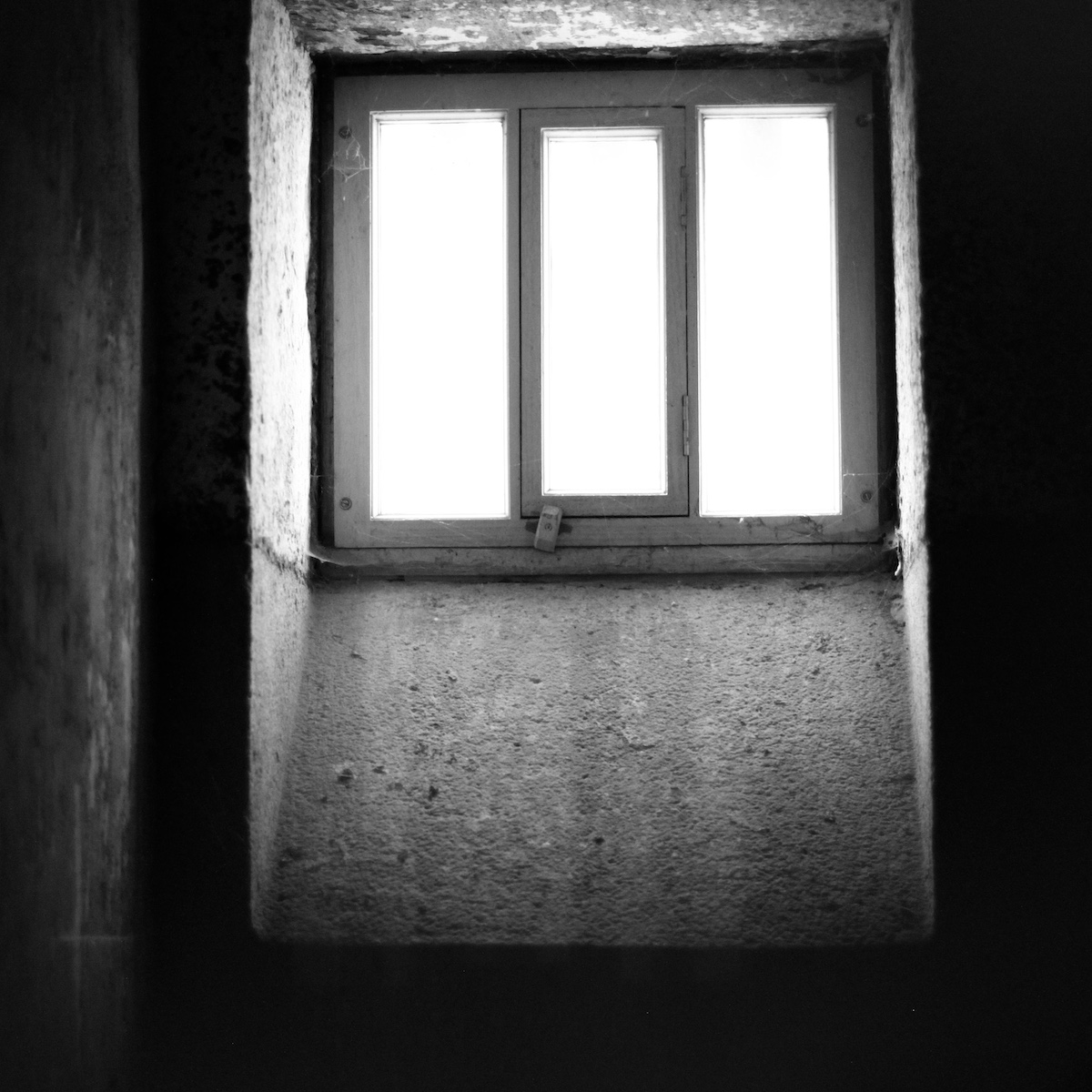
A basement window sits partly or fully below the soil line. Without a window well, dirt would press right up against the glass, blocking light and putting pressure on the window. The well creates a small pocket of open space so the window can actually function.
That space does two important jobs. It lets daylight reach the basement, which makes a huge difference in how livable those rooms feel.
And in many cases, it provides room to open the window, whether for fresh air or, in bedrooms, as an emergency exit.
But a window well doesn't exist in isolation. It sits in the soil, surrounded by dirt that shifts, settles, and soaks up water. How it handles that soil and moisture determines whether it protects the basement or slowly becomes a liability.
What Happens When a Window Well Starts Failing
Corrosion is a common culprit with metal wells. Years of moisture, snowmelt, and soil contact can cause rust, especially near the bottom. Rusted sections weaken over time and may eventually crack or give way.
Soil pressure and wall movement are another concern. As soil gets saturated or freezes and thaws, it pushes against the well walls.
Eventually, walls can bow inward, separate from the foundation, or collapse partially, letting dirt spill into the well.
Poor drainage and debris accumulation make everything worse. Leaves, twigs, and trash can clog the bottom of the well.
When water can't drain away, it pools against the window and foundation. That's when water intrusion into the basement becomes a real risk, and nobody wants a soggy basement.
Why Water Is Often the Biggest Enemy
Water always looks for the easiest path, and a window well can become a natural collection point. Rain and snowmelt running off the roof or yard may flow straight into it, especially if gutters or downspouts dump water nearby.
Drainage limitations matter a lot. Some wells have gravel bases or drains that help water soak away, but those can clog or prove inadequate during heavy storms. When the soil around the well is already saturated, water has nowhere to go.
Grading plays a big role too. If the ground slopes toward the house instead of away from it, runoff heads right for the foundation and window wells.
Over time, that moisture can find its way through window seals or foundation cracks, leading to dampness, staining, or water damage inside.
When Repair Isn't Enough and Replacement Makes More Sense
Some window well problems can be fixed with cleaning, minor adjustments, or improved drainage.
But when walls are badly rusted, bent, or separating from the foundation, patching them up may not hold for long. Structural deterioration often signals it's time for something new.
Improper sizing is another reason to replace. Older wells may be too small for the window, too shallow, or poorly shaped for the space.
A properly sized well can improve light, drainage, and access, while giving the window enough breathing room.
Recurring drainage problems and egress needs matter too. If water keeps pooling despite repeated fixes, a new well with better drainage may be the answer.
For basement bedrooms, replacement may also need to meet applicable emergency escape requirements, so checking local codes is an important part of the plan.




Conclusion
Window wells might be one of the most overlooked features of a home. They quietly hold back soil, let light into basements, and sometimes provide a critical escape route, all while sitting in the dirt and taking a beating from the weather.
When they rust, bow, clog, or fill with water, they can put the basement at risk.
Water is usually the biggest threat, and drainage, grading, and well condition all play a role in keeping moisture where it belongs.
A small exterior feature can protect a very important part of your home. Regular checks, timely repairs, and replacement when needed help keep basements dry, bright, and safe for years to come.



Leave a Reply