

Most craft kits end up in a drawer. Touched once, then forgotten. A 3D printer works differently: your kid starts with their own sketch instead of a box of instructions.
They draw something simple. They fiddle with it on screen. A few hours later they're holding it.
Six projects below, quickest first. In each one, your kid makes the real calls: shape, colours, size. You handle the grown-up parts.
Jump to:
Why a Name Tag Comes First
Start with the name tag. It's flat. It prints fast. Most finish in under an hour.
And here's why it works: it belongs to them in a way a test cube never will. Your kid picks the name or nickname, the lettering, the color, plus one small shape. A star. A paw print. Whatever they want.
You start the print. You take the tag off the plate once it's cooled. That's the whole adult job.
Fair warning: after the first one, expect requests. Backpack. Lunchbox. Instrument case.
The Phone Stand (Your Kid's First Real Build)
This one takes two to four hours. Slower. But it actually gets used, and kids can tell when something is real.
Your child chooses the angle. The width. Whether to add extras, a cable slot, a small nameplate.
Here's where measuring matters. Have your kid measure the device first. Then measure it again yourself before you print. Five millimeters too narrow and the stand is useless. And reprinting eats another afternoon.
Spinning Tops. Tournaments Will Follow.
A spinning top is a good third project. Under an hour to print, so there's room to mess around. Print one. Time the spin. Change the shape a little. Print again.
Your kids will turn this into a contest. They always do. And when they start asking for ideas beyond these six, this collection of 3D printed toys for kids sorts starter projects by age and play style, with realistic print times for each category.
Your kid picks the shape and colors. You check the tip. It needs to be smooth enough not to scratch the table.
A Puzzle They Designed Themselves
A flat puzzle with six to nine thick pieces. One to two hours on the printer.
The difference from the shop shelf? Your kid drew the picture. They pick the pattern, the piece count, the color of each section.
When the pieces come off the plate, test the fit together. Some joints print tight. A little sanding fixes that. (Your job, not theirs. Sanding dust and small lungs don't mix.)
Younger sibling in the house? Print a second copy in different colors. Instant matching game.
Ornaments That Come Back Every December
Under ninety minutes. Small. And unlike most crafts, these come out of the box every year.
Your kid decides the shape. Snowflake. An initial. A tiny rocket. Loop to hang it, or a flat base.
Thin details sometimes need support structures. Getting those off is fiddly work, so that's yours, along with threading the ribbon or hook.
One more thing: write the year on the back with a marker. Five years from now that ornament will mean more than it does today.
The Planter Takes All Afternoon. Worth It.
Three to six hours. The longest print here. Also the only one that keeps changing after it leaves the plate, because something grows in it.
Your kid picks the shape and size. Small, though. It has to fit the build plate. A succulent, not a tomato plant.
They choose the color. They choose what goes in it.
You check the drainage hole. You help with the soil. And you keep an eye on a print that runs half the day.
Line a few up on the windowsill. They look great.
One More Thing: The Printer Behind These
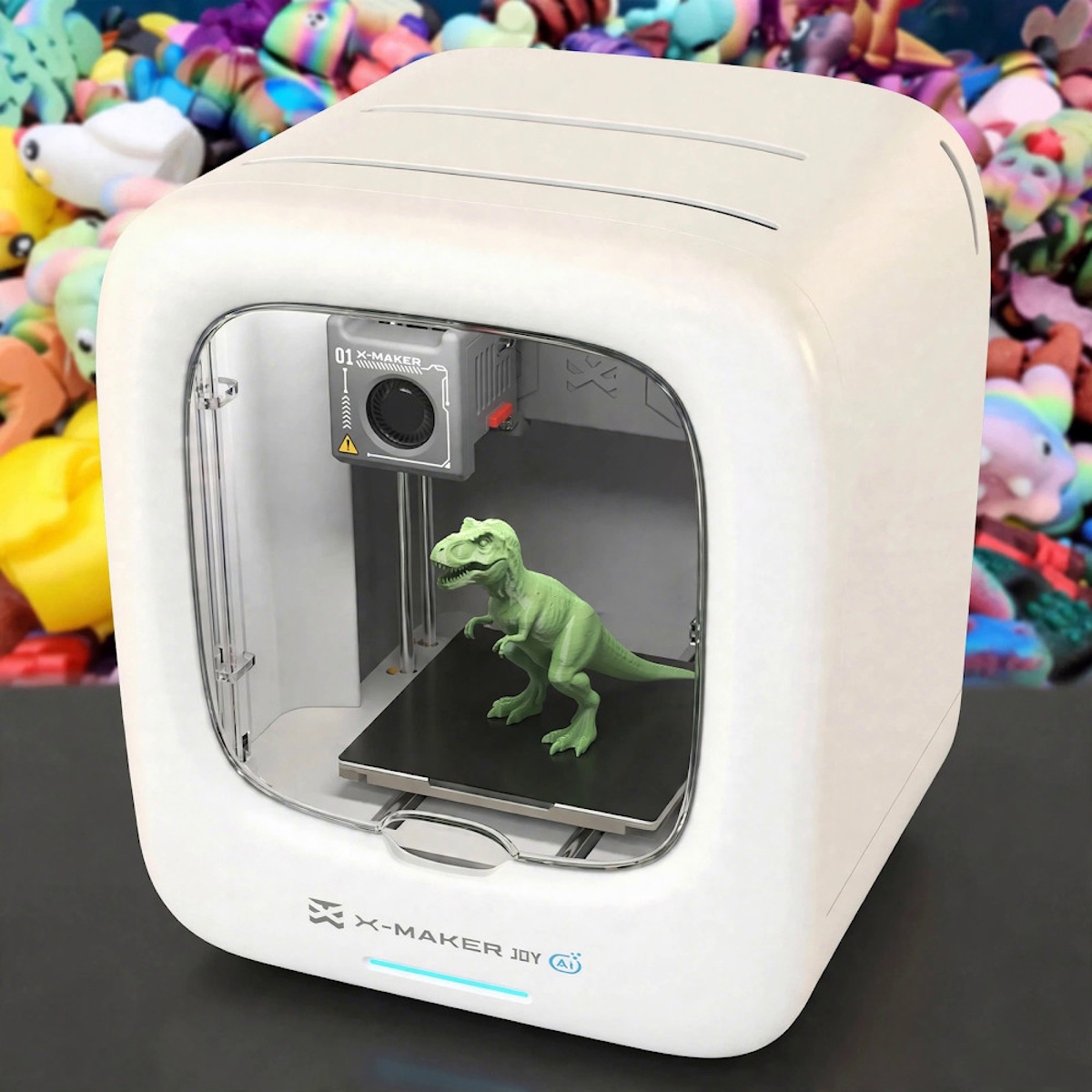
All six of these were designed with one machine in mind: the AOSEED X-MAKER JOY. Enclosed, built for young beginners. It runs on PLA. Printing starts with one tap from a phone app.
The build volume is 120 millimeters. That's the box your kids design inside.
Sounds restrictive? It isn't. Fewer choices, and most kids find that easier, not harder.
The usual routine: your kid browses the model library or tweaks a design. You start the print and stay nearby. The enclosed frame keeps small fingers away from the hot parts.


Conclusion
None of this is about perfect objects. The name tag might have a crooked letter. The top might wobble. Fine.
The point was never the object. It was your kid deciding something and seeing it through.
Start with the name tag. The rest tends to happen by itself.
You'll be buying more filament sooner than you think.



Leave a Reply