

Shingles often begins with a strange tingling or burning sensation on one side of the body, followed by a painful rash that can disrupt sleep, work and daily life for weeks. For some people, the pain lingers long after the rash has gone.
The encouraging news is that shingles is largely preventable, and the shingles vaccine Singapore residents can now access through the national adult immunisation schedule is one of the most effective ways to reduce the risk.
This guide explains what shingles is, how to recognise its symptoms, which complications to watch for, and how vaccination protects.
It also covers who should be vaccinated and what to know about costs and side effects.
Jump to:
What Is Shingles?
Shingles, also called herpes zoster, is caused by the varicella-zoster virus, the same virus that causes chickenpox.
After you recover from chickenpox, the virus does not leave your body. It stays dormant in nerve tissue, sometimes for decades.
If your immunity weakens, because of age, illness, stress or certain medications, the virus can reactivate and travel along a nerve to the skin, causing shingles.
Almost all adults who have had chickenpox carry the virus, and many who never recall having chickenpox have also been exposed.
The risk rises with age and is higher in people with weakened immune systems.
Common Symptoms of Shingles
Shingles usually affects one side of the body or face, often in a band or strip that follows a nerve. Symptoms typically unfold in stages.
Early warning signs. Several days before the rash, you may feel:
- Burning, tingling, itching or numbness in a patch of skin
- Sensitivity to touch in the affected area
- Headache, fatigue or a general sense of being unwell
- Mild fever or chills
The rash. A red rash then appears, followed by clusters of fluid-filled blisters. The blisters usually break open and crust over within about a week or two, and the skin can take a few weeks to heal fully.
Pain. Pain can range from mild to severe, and many people describe it as stabbing, burning or throbbing. It may feel out of proportion to how the rash looks.
Complications You Should Know About
Most people recover fully, but shingles can sometimes lead to serious problems, especially in older adults.
- Postherpetic neuralgia: Nerve pain that continues for weeks, months or longer after the rash heals. It is the most common complication and becomes more likely with age.
- Eye involvement: Shingles on the forehead or around the eye can threaten vision and needs urgent medical review.
- Ear involvement: Shingles near the ear may cause hearing problems, ringing in the ears, dizziness or facial weakness.
- Skin infection: Blisters can become infected with bacteria if not cared for properly.
- Other nerve and neurological effects: Rarely, shingles can lead to inflammation of the brain or spinal cord.
When to See a Doctor
See a doctor as soon as possible if you suspect shingles. Antiviral medication works best when started early, ideally within about three days of the rash appearing, and it can reduce the severity and length of the illness.
Seek urgent care if the rash is near your eye, if you have severe pain, if you are over 60 or have a weakened immune system or if you develop fever, confusion, hearing changes or signs of infection.
A person with shingles cannot give someone else shingles, but the fluid from the blisters can spread the chickenpox virus to people who have never had chickenpox or been vaccinated.
Keep the rash covered and avoid contact with pregnant women, newborns and people with weak immunity until the blisters have crusted over.
How Does Shingles Vaccination Work?
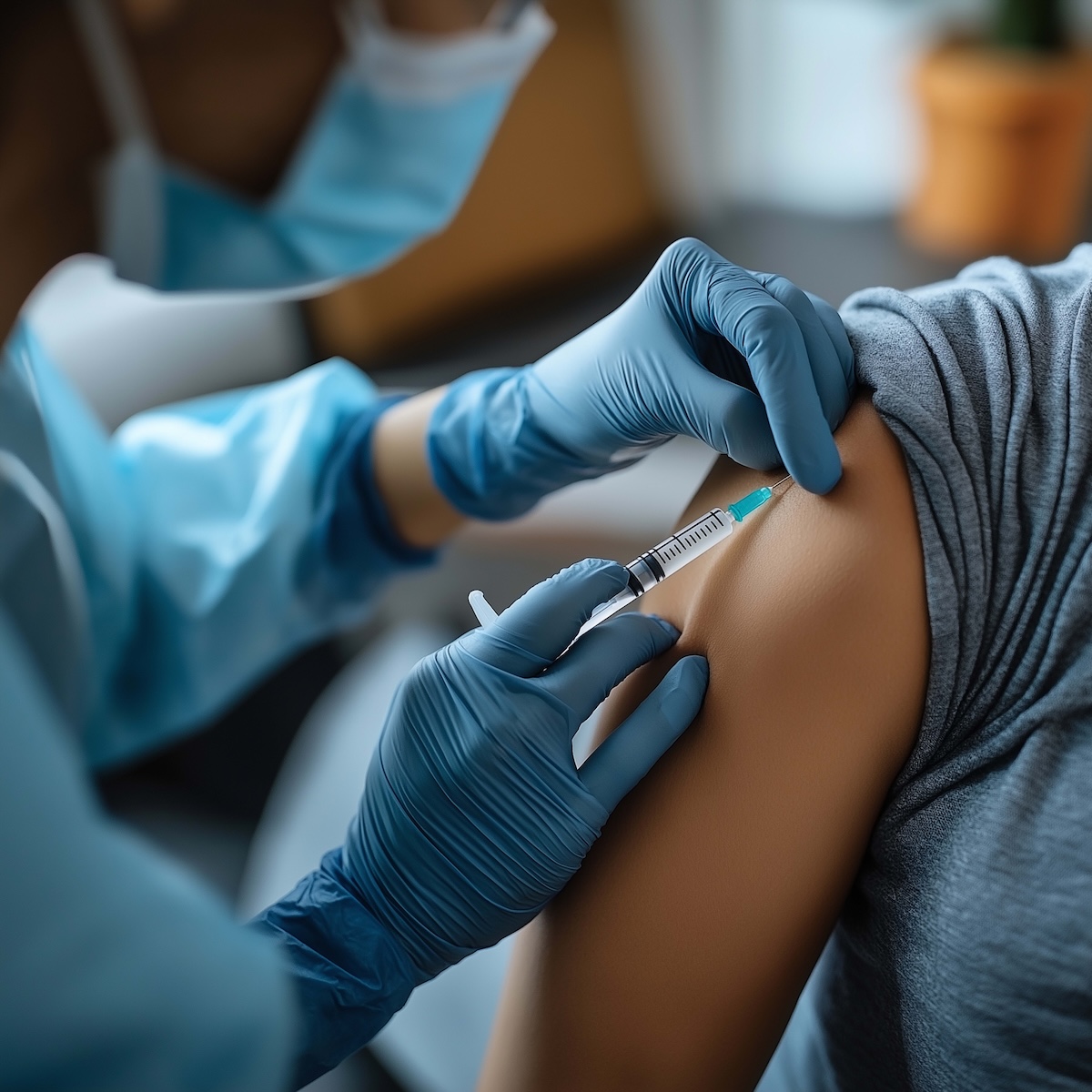
Adults in Singapore receive Shingrix, a recombinant vaccine that does not contain a live virus.
It contains a viral protein together with an ingredient that boosts the immune response, helping your body keep the dormant virus under control.
Clinical trials have shown it to be highly effective, with protection above 90 percent in adults aged 50 and over and benefits that last for years, though protection may decline gradually over time and varies between individuals.
Vaccination does two things:
- It lowers the chance of developing shingles in the first place.
- If shingles does occur, it can make the illness milder and reduce the risk of long-lasting nerve pain.
The vaccine is given as two doses, with the second dose given two to six months after the first.
Who Should Get Vaccinated?
Under Singapore's National Adult Immunisation Schedule, Shingrix is recommended for:
- All adults aged 60 and above
- Immunocompromised adults aged 18 to 59
Some doctors also discuss vaccination with healthy adults from around 50 years old, since the risk of shingles starts to rise at that age.
You should still consider vaccination if you have already had shingles, because it can happen again, and if you previously received the older live vaccine, your doctor may advise revaccination with Shingrix.
It is not necessary to confirm that you had chickenpox first.
Cost, Subsidies and MediSave
Many people ask about price before booking. For eligible Singapore Citizens and Permanent Residents, the Government extended subsidies for the vaccine at public healthcare institutions and participating GP clinics under the Community Health Assist Scheme, and MediSave can be used for the post-subsidy amount from 2026.
When it announced the subsidies, the Ministry of Health estimated that Singaporeans would pay roughly S$ 75 to S$ 300 per two-dose course after subsidies, with Permanent Residents paying around S$450.
Prices, eligibility and CHAS tiers can change, so check the current details with your clinic or the Ministry of Health.
If you are planning to get the shingles vaccine Singapore clinics offer, ask what the total cost will be, how much MediSave can cover and whether you need to bring identification or CHAS documents.
Possible Side Effects
Side effects are usually short-lived and show that the immune system is responding. Common reactions include:
- Pain, redness or swelling at the injection site
- Tiredness and muscle aches
- Headache, chills or low-grade fever
- Stomach upset
Most symptoms settle within two to three days. Seek medical help if you develop signs of a serious allergic reaction, such as difficulty breathing, swelling of the face or throat or a widespread rash.
You should not receive the vaccine if you have had a severe allergic reaction to a previous dose or to any of its components.
If you are currently unwell with a significant illness or have an active shingles episode, your doctor may advise waiting until you recover.
Tell the doctor about your medical history, medications and any pregnancy plans before vaccination.
Other Ways to Reduce the Impact of Shingles
Vaccination is the main preventive measure, but healthy habits support your immune system.
Eat well, exercise regularly, sleep enough, manage stress and keep chronic conditions such as diabetes under control.
Seeing a doctor early when symptoms begin gives you the best chance of a smooth recovery.
FAQ’S
It is still possible, but uncommon. If it happens, the illness is usually milder and the risk of long-term nerve pain is lower.
Yes, in most cases. Shingles can recur, and vaccination can lower the chance of another episode. Your doctor will advise on timing after you have recovered.
Shingrix is given as two doses, with the second dose given two to six months after the first.
Shingrix does not contain a live virus, and it is recommended in Singapore for immunocompromised adults aged 18 to 59. Your doctor can advise on the best timing for you.
Often yes, but it depends on the vaccines involved and your own health. Ask your doctor, who can plan a schedule that suits you.




Final Thoughts
Shingles can be painful, disruptive, and, for some people, long-lasting, but you don't have to accept it as part of ageing.
Knowing the early symptoms helps you seek treatment quickly, and vaccination offers strong protection.
If you are 60 or older, or have a weakened immune system, speak to your doctor about the shingles vaccine Singapore healthcare providers offer so that you can protect yourself before the virus has a chance to reactivate.





Leave a Reply