

Winter mornings are rarely peaceful in a busy household. Between getting children ready for school, clearing snow off the car, and rushing to work, an icy driveway adds another thing to worry about.
Fresh snow can hide slippery patches, while melting snow often refreezes overnight.
Even walking to the car with groceries or helping a toddler into their seat can become tricky.
A heated driveway offers a practical alternative to constant shovelling and salting.
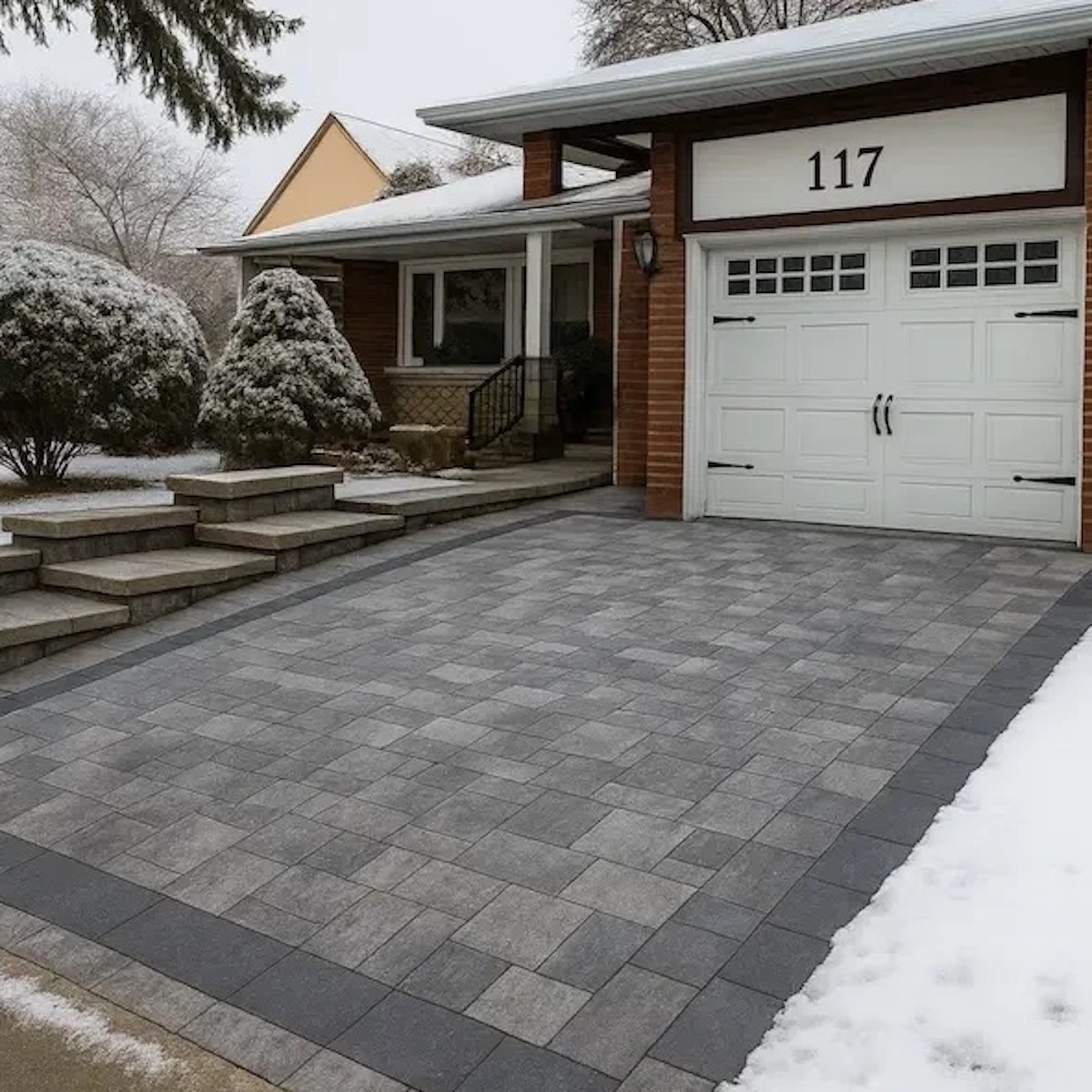
By warming the pavement from underneath, it helps keep the surface clearer throughout the winter. But is it the right upgrade for your home?
Jump to:
- Why Icy Driveways Are a Safety Concern for Families
- What Is a Heated Driveway and How Does It Work?
- Benefits of a Heated Driveway for Families
- What to Consider Before Heated Driveway Installation
- How Much Does a Heated Driveway Cost?
- Is a Heated Driveway Worth It for Your Family?
- Other Ways to Keep Your Driveway Safe in Winter
Why Icy Driveways Are a Safety Concern for Families
Children don't always notice slippery pavement, especially when they're excited to play outside or running towards the school bus. Older family members may have difficulty maintaining their balance, while parents carrying babies, shopping bags, or sports equipment have less freedom to catch themselves if they slip.
Driveways can be particularly hazardous when temperatures fluctuate around freezing. Snow melts during the day, then turns into a thin layer of ice after sunset. Shaded areas and sloped surfaces may remain slippery long after nearby pavement has cleared.
Regular snow removal helps, but preventing ice from forming in the first place can make winter routines easier.
What Is a Heated Driveway and How Does It Work?
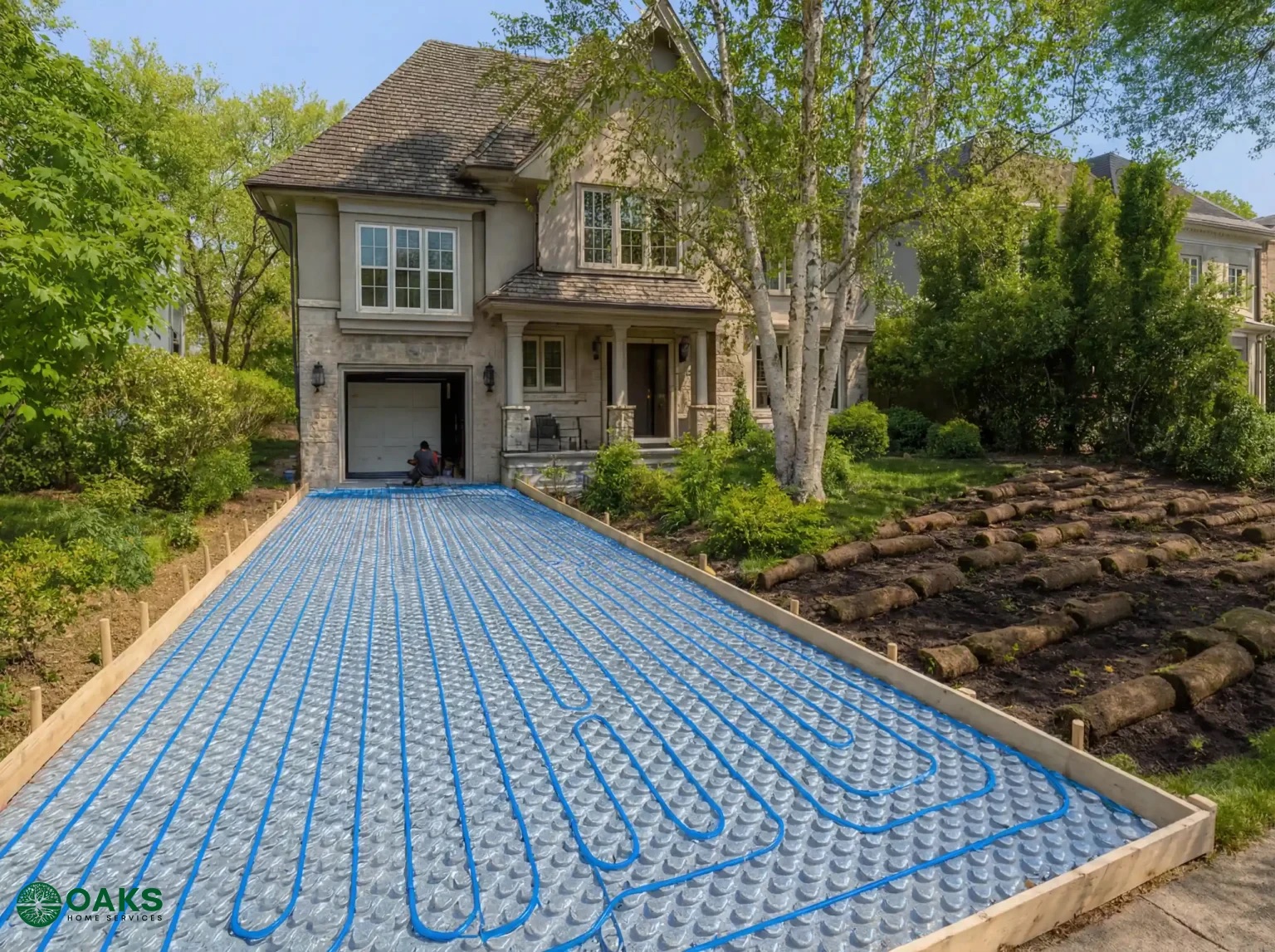
A driveway heating system works much like radiant underfloor heating. Electric cables or fluid-filled tubes beneath the pavement generate warmth, melting snow before it builds up into thick, compacted layers. Some systems use temperature and moisture sensors to activate automatically when winter weather arrives.
The heating components are typically installed during driveway construction or resurfacing. In fact, residential heated driveway installation is something homeowners often consider when replacing worn pavement or redesigning their front yard, since the groundwork is already being done. The finished surface looks much like any other driveway, with the heating equipment hidden underneath.
Electric vs. Hydronic Heated Driveway Systems
- An electric heated driveway uses cables or heating mats beneath the pavement. It generally requires less mechanical equipment and works well for smaller spaces or selected heating zones.
- A hydronic heated driveway circulates warmed fluid through underground tubing. Although more complex to install, it can be practical for larger areas, depending on the available heating source.
Both options can reduce snow accumulation, but neither guarantees an ice-free surface under every weather condition.
Benefits of a Heated Driveway for Families
Beyond avoiding the occasional early-morning shovelling session, driveway heating can improve several aspects of everyday winter life.
Reduced Risk of Slips and Falls
One of the biggest advantages is reducing snow and ice buildup where people walk and park.
A clearer driveway can make getting into vehicles, unloading groceries, and moving around the property less hazardous.
However, nearby unheated surfaces and areas where meltwater collects may still become icy.
Less Snow Shovelling and Winter Maintenance
Heavy snowfall can turn driveway clearing into a demanding chore. Heating reduces the amount of manual snow removal needed, especially during moderate snowfall.
For busy parents, that may mean more time indoors with the family instead of heading outside with a shovel before breakfast.
Easier Access for Children, Seniors, and Visitors
A driveway with less snow and ice is easier to navigate with strollers, mobility aids, shopping carts, and luggage.
It can also make family visits more comfortable during winter, particularly when grandparents or relatives with limited mobility come over.
Less Need for Salt and De-Icing Chemicals
Road salt helps manage ice, but frequent applications can affect nearby plants, certain paving materials, and pets' paws.
Heating can reduce reliance on de-icing products across the treated area. That means less salt residue tracked into the house on winter boots and fewer chemicals washed towards garden beds.
What to Consider Before Heated Driveway Installation
Planning matters just as much as the heating technology itself. A well-designed system must suit the property, its pavement, and how the family uses the driveway.
Driveway Size, Slope, and Drainage
Larger driveways need more heating capacity, while steep slopes require particular attention to traction and meltwater runoff.
Drainage is especially important. Melted snow needs somewhere to go, or it may refreeze along the driveway edges, sidewalk, or garage entrance.
Asphalt, Concrete, or Interlocking Pavers
Heating systems can work beneath asphalt, concrete, and interlocking stone, although installation methods vary.
Concrete offers a durable surface, asphalt provides a familiar driveway finish, and interlocking pavers offer more design flexibility.
Homeowners considering a heated driveway under pavers should also account for the bedding layers and heating layout.
Full Driveway Heating vs. Targeted Heating Zones
Heating every square foot isn't always necessary. Some families prioritize the parking area, a steep section, or the route between the garage and front walkway.
Targeted heating can reduce installation and running costs, although unheated sections will still need winter maintenance.
How Much Does a Heated Driveway Cost?
Heated driveway costs typically range from $30,000 to $65,000 CAD, depending on driveway size, heating system, pavement material, and site preparation needs.
Electric systems often have lower initial equipment costs, while hydronic systems require additional components such as pumps and a heat source.
Operating expenses also matter. Local energy rates, snowfall frequency, insulation, and automatic controls all influence how much the system costs to run.
For an accurate budget, homeowners should compare installation estimates alongside expected seasonal energy use.
Is a Heated Driveway Worth It for Your Family?
That depends on your property and winter routine.
A heated system may be particularly appealing if your driveway is steep, your household includes older relatives, or you regularly struggle with ice buildup.
For a small, relatively flat driveway in an area with occasional snowfall, conventional snow removal may remain the more economical choice.
The real value isn't necessarily financial savings. It's the combination of convenience, reduced physical effort, and improved winter accessibility.


Other Ways to Keep Your Driveway Safe in Winter
Even with heating, a few simple precautions make a difference:
- Keep walkways and entrances well-lit during dark winter mornings.
- Direct downspouts away from driveways and pedestrian areas.
- Remove snow from unheated surfaces before it becomes compacted.
- Check for refreezing where meltwater reaches colder pavement.
- Encourage children to walk carefully and wear winter footwear with good traction.
A heated driveway can be a valuable part of a family-friendly outdoor space, but it works best alongside sensible winter maintenance. With thoughtful planning, the journey from the front door to the car can become one less challenge on snowy mornings.





Leave a Reply