

Knee osteoarthritis is a degenerative joint condition that develops when the protective cartilage within the knee gradually wears down.
It can cause pain, stiffness and difficulty walking, particularly as the condition progresses.
Although not everyone with knee osteoarthritis requires surgery, understanding the risk factors and recognising when symptoms become more severe can help patients explore appropriate treatment options, including knee osteoarthritis partial knee treatment for osteoarthritis.
Jump to:
- What Is Knee Osteoarthritis?
- What Increases the Risk of Knee Osteoarthritis?
- When Can Knee Osteoarthritis Require Surgery?
- What Is Partial Knee Replacement?
- Who May Be Suitable for Partial Knee Treatment?
- Non-Surgical Treatments to Consider First
- Partial Knee Replacement Versus Total Knee Replacement
- What Is Recovery Like After Partial Knee Replacement?
- FAQ’S
- Next Steps
What Is Knee Osteoarthritis?
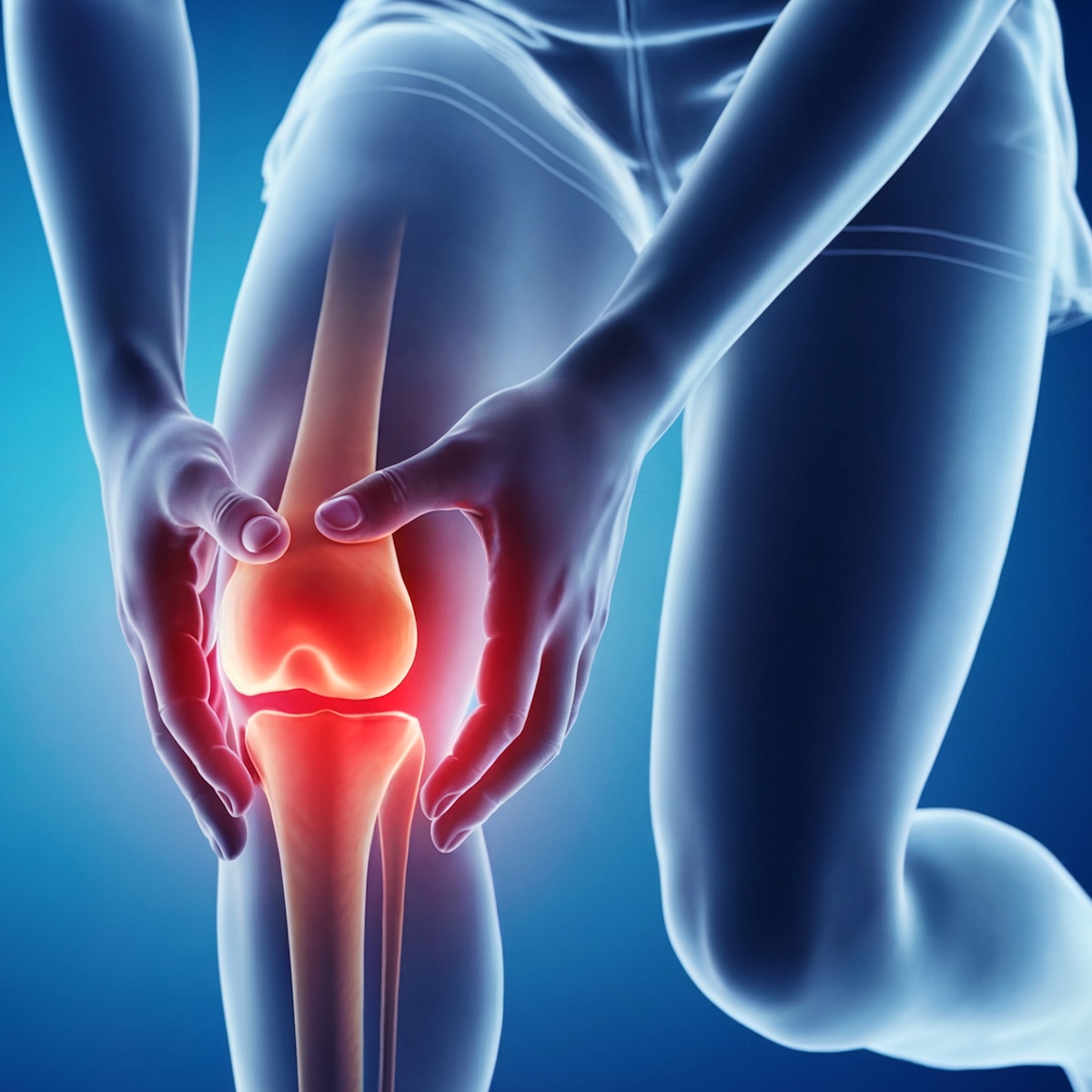
Knee osteoarthritis occurs when the cartilage that cushions the ends of the bones within the knee joint deteriorates over time. As the cartilage becomes thinner, the joint may experience increased friction, inflammation and changes to the surrounding bone.
Common symptoms include:
- Knee pain during walking, standing or climbing stairs
- Stiffness after periods of inactivity
- Swelling around the knee joint
- Reduced flexibility or range of motion
- A grinding or clicking sensation during movement
- Difficulty performing everyday activities
Symptoms can develop gradually and vary in severity. Some people experience occasional discomfort, while others develop persistent pain that affects mobility and quality of life.
What Increases the Risk of Knee Osteoarthritis?
Several factors can contribute to the development or progression of knee osteoarthritis. Understanding these factors may help patients manage their joint health and recognise when medical assessment is appropriate.
Ageing
The likelihood of developing osteoarthritis increases with age. Over time, cartilage and other joint structures undergo changes that may reduce their ability to withstand repeated stress.
However, osteoarthritis is not an inevitable part of ageing, and symptoms vary considerably between individuals.
Excess Body Weight
Excess body weight increases the mechanical load placed on the knee joints during activities such as walking, climbing stairs and standing.
Maintaining a healthy weight may help reduce stress on the knees and support mobility. Weight management can also form part of a broader treatment plan for people who already have osteoarthritis.
Previous Knee Injuries
Previous injuries, including ligament tears, meniscus damage and fractures involving the joint, can increase the risk of developing osteoarthritis later in life. These injuries may alter joint stability or the way weight is distributed across the knee, potentially accelerating cartilage deterioration.
Proper management of other lower-limb injuries is also important for maintaining mobility. For example, an ankle sprain treatment guide can help patients understand common treatment approaches, including rest, appropriate support and gradual rehabilitation following an ankle injury.
Repetitive Joint Stress
Occupations and activities that involve frequent kneeling, squatting, heavy lifting or repeated high-impact movements may place additional stress on the knees.
Appropriate exercise techniques, recovery periods and activity modification may help reduce unnecessary strain.
Joint Alignment and Genetics
Differences in knee alignment can affect how pressure is distributed across the joint. For example, bow-legged or knock-kneed alignment may place greater stress on particular compartments of the knee.
Family history and inherited factors may also influence a person's susceptibility to osteoarthritis.
When Can Knee Osteoarthritis Require Surgery?
Many people with knee osteoarthritis can manage their symptoms through non-surgical treatment. Surgery may be considered when pain becomes persistent, mobility declines and conservative approaches no longer provide sufficient relief.
A doctor may assess whether symptoms affect activities such as walking, climbing stairs, standing for extended periods, or sleeping comfortably.
The decision to consider surgery depends on several factors, including the extent of joint damage, the location of cartilage loss, the patient's overall health, and how symptoms affect daily life.
What Is Partial Knee Replacement?
Partial knee replacement, also known as unicompartmental knee replacement, involves replacing the damaged portion of the knee joint while preserving the relatively healthy parts.
The knee has three main compartments: the medial compartment on the inner side, the lateral compartment on the outer side and the patellofemoral compartment behind the kneecap.
When osteoarthritis affects only one compartment, partial knee replacement may be an option for appropriately selected patients.
Unlike total knee replacement, which replaces the affected joint surfaces across the knee, partial replacement preserves more of the original bone, cartilage and supporting structures.
Who May Be Suitable for Partial Knee Treatment?
Not everyone with knee osteoarthritis is suitable for partial knee replacement.
The procedure is generally considered when the disease is confined to one compartment, and the remaining parts of the knee are sufficiently healthy.
Factors that may influence suitability include:
- The location and extent of cartilage damage
- The condition of the knee ligaments
- The degree of knee deformity
- Knee stability and range of motion
- The patient's overall health and activity requirements
A clinical examination and imaging, usually including X-rays, can help the orthopaedic surgeon determine whether partial or total knee replacement is more appropriate.
Non-Surgical Treatments to Consider First
Before considering surgery, patients may benefit from non-surgical approaches depending on symptom severity.
Exercise and Physiotherapy
Strengthening the muscles around the knee can help support joint function and improve stability.
Physiotherapy may include strengthening exercises, flexibility work and guidance on modifying activities that aggravate symptoms.
Weight Management
For people who are overweight, gradual weight reduction may help reduce pressure on the knee joint and improve mobility.
Medication
Pain-relieving or anti-inflammatory medication may help manage symptoms when appropriate.
Patients should discuss medication choices with their doctor, particularly if they have other medical conditions or take regular medication.
Walking Aids and Support
A walking stick, knee brace or other supportive device may help selected patients reduce discomfort or improve stability during daily activities.
If these measures do not provide adequate relief, an orthopaedic assessment can help determine whether surgical treatment should be discussed.
Partial Knee Replacement Versus Total Knee Replacement
The main difference is how much of the knee joint is replaced.
Partial knee replacement treats damage limited to one compartment, while total knee replacement addresses more extensive joint damage.
Partial replacement may preserve more natural knee structures and can offer certain recovery advantages for suitable patients.
However, it is not appropriate when osteoarthritis affects multiple compartments or when other clinical factors make the procedure unsuitable.
Total knee replacement may be more appropriate when the damage is widespread. The choice should be based on the patient's joint condition, symptoms and individual treatment goals rather than the assumption that one procedure is always preferable.
What Is Recovery Like After Partial Knee Replacement?
Recovery varies according to the patient's health, the surgical approach and the condition of the knee before surgery.
Some patients can begin walking with assistance relatively soon after the procedure. Rehabilitation typically focuses on restoring knee movement, improving muscle strength and gradually returning to everyday activities.
Patients should follow their surgeon's instructions regarding wound care, activity progression and physiotherapy. Returning to strenuous exercise too early may interfere with recovery.
FAQ’S
Common risk factors include ageing, excess body weight, previous knee injuries, repetitive joint stress, abnormal knee alignment and family history. Having one or more risk factors does not mean osteoarthritis will definitely develop.
Partial knee replacement may be considered when osteoarthritis causes persistent pain and reduced mobility despite appropriate non-surgical treatment, particularly when the damage is limited to one compartment of the knee. A specialist assessment is needed to determine suitability.
Neither procedure is universally better. Partial replacement may be suitable when damage is limited to one compartment, while total replacement may be more appropriate when osteoarthritis affects multiple compartments. The choice depends on the condition of the knee and the patient's individual circumstances.
Yes. Many patients manage osteoarthritis through physiotherapy, exercise, weight management, medication and activity modification. Surgery may be considered when these measures do not provide sufficient relief.
No. The condition progresses differently between individuals. Some people maintain satisfactory mobility with non-surgical treatment, while others may develop symptoms severe enough to consider surgery.




Next Steps
If knee pain, stiffness or reduced mobility is affecting your daily activities, consult an orthopaedic specialist for an assessment.
Understanding the extent of joint damage can help determine whether non-surgical care, partial knee replacement or another treatment approach is appropriate.





Leave a Reply