

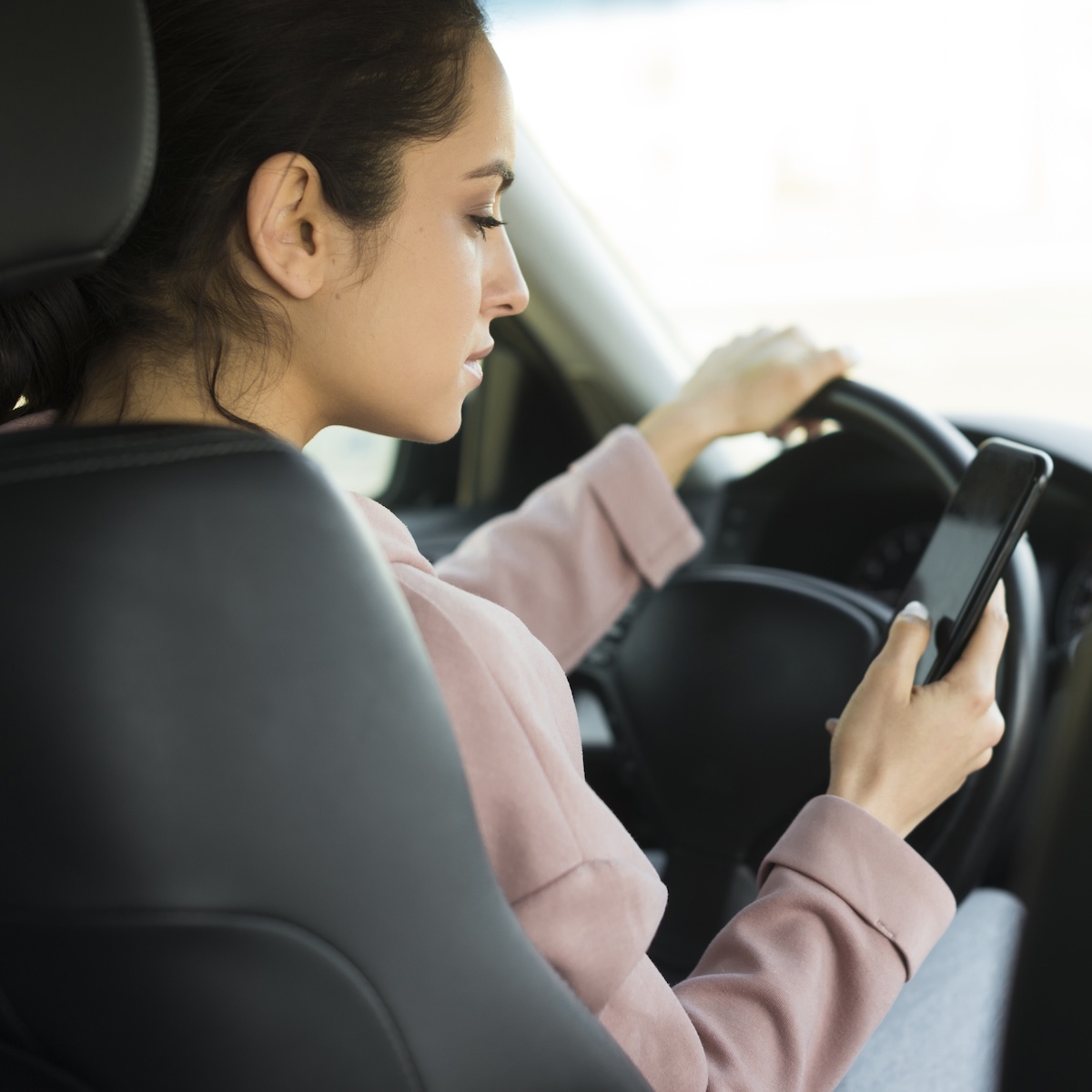
Texting while driving creates legal liability because it diverts a driver's attention from the road and increases the risk of an accident.
When a driver chooses to send, read, or respond to a text message while operating a vehicle, that behavior may be considered negligent and can lead to financial responsibility for injuries, property damage, and other losses resulting from a crash.
Riverside is one of the largest cities in Southern California and serves as an important transportation hub within the Inland Empire.
The area is home to busy highways, growing residential communities, and many daily commuters.
Thousands of vehicles travel through Riverside each day, and distracted driving continues to be a significant safety concern.
After a collision involving a distracted driver, many injured individuals seek guidance from an effective Riverside lawyer that handles distracted driving accidents to better understand their legal rights and options for pursuing compensation.
Jump to:
Why Texting While Driving Is Dangerous
Driving requires a person's full attention. A driver must continuously monitor traffic, road conditions, signals, pedestrians, and other vehicles.
Texting interferes with this responsibility in three ways.
- First, it creates a visual distraction by causing the driver to look away from the road.
- Second, it creates a manual distraction because the driver removes one or both hands from the steering wheel.
Third, it creates a cognitive distraction because the driver's mind focuses on the message instead of driving.
When these distractions occur simultaneously, the likelihood of an accident increases significantly.
How Negligence Applies in Accident Cases
Most texting-related accident claims are based on the legal concept of negligence.
Drivers have a duty to operate their vehicles with reasonable care and to follow traffic laws designed to protect others on the road.
When a driver chooses to text while driving and causes a collision, that conduct may be viewed as a breach of this duty.
If the distracted behavior directly contributes to injuries or property damage, the driver may be held legally responsible for the resulting losses.
In many cases, proving negligence involves demonstrating that the driver's actions were unreasonable under the circumstances and that those actions caused the accident.
Evidence Used to Prove Distracted Driving
Establishing that a driver was texting at the time of a crash often requires evidence. Several types of evidence may help support a claim.
Cell phone records may show when messages were sent or received. Witness statements can provide information about what people observed before the collision.
Traffic camera footage, surveillance video, and vehicle data may also help investigators determine whether distracted driving occurred.
In some situations, the driver may admit to using a phone immediately before the accident. These admissions can become important evidence during settlement negotiations or court proceedings.
Violations of Traffic Laws
Many states have enacted laws that prohibit texting while driving. Violating these laws may strengthen an injured person's claim because the violation can serve as evidence of unsafe conduct.
For example, California Vehicle Code § 23123.5 generally prohibits drivers from holding and operating a handheld wireless telephone while driving. When a driver violates this law and causes an accident, that conduct may become an important factor in determining liability.
Damages That May Be Recovered
Victims of texting-related accidents may be entitled to recover compensation for various losses.
These damages often include medical expenses, lost wages, property damage, rehabilitation costs, and pain and suffering.
The specific compensation available depends on the facts of the case, the severity of the injuries, and the evidence presented.
In serious accidents, damages may be substantial due to the long-term effects of the injuries.
Why Legal Liability Matters
Legal liability is not simply about assigning blame. It helps determine who is financially responsible for the consequences of an accident.




When distracted driving causes harm, liability allows injured individuals to pursue compensation for the losses they have suffered.
Holding distracted drivers accountable may also encourage safer driving habits and help reduce preventable accidents on public roads.
Key Takeaways
- Texting while driving creates visual, manual, and cognitive distractions.
- A distracted driver may be considered negligent if their actions cause an accident.
- Cell phone records, witness testimony, and video footage may help prove distracted driving.
- Violating texting-and-driving laws can support a liability claim.
- California Vehicle Code § 23123.5 generally prohibits holding and operating a handheld wireless telephone while driving.
- Victims may recover compensation for medical expenses, lost income, property damage, and pain and suffering.
- Legal liability helps determine who is responsible for losses resulting from a distracted driving accident.



Leave a Reply