

You make a sensible breakfast, spend the day chasing work and family responsibilities, and try to squeeze in a walk. Yet the scale barely changes, or your waistline seems to change faster than your routine. When you have polycystic ovary syndrome (PCOS), it is easy to wonder whether your hormones are working against you.
PCOS can make weight management more complicated for some people, particularly when insulin resistance is part of the picture. But it does not mean you need to live on salads or give up carbohydrates. What helps most is understanding the factors you can influence and building habits.

Jump to:
- Why Can PCOS Be Linked to Weight Gain?
- What Is the Best Diet for PCOS Weight Management?
- A Simple PCOS-Friendly Day of Eating
- Diet Tips That Make PCOS Weight Management Easier
- Exercise and Movement: What Actually Helps?
- Why Sleep and Stress Deserve Attention
- How Do You Know If Insulin Resistance Needs Attention?
- When Diet and Exercise Are Not Enough
- FAQ'S
- The Takeaway: Manage PCOS, Not Just the Number on the Scale
- References
Why Can PCOS Be Linked to Weight Gain?
PCOS is a hormonal and metabolic condition, not simply a problem with body weight. It can involve irregular ovulation, higher androgen levels, and insulin resistance. Some people with PCOS gain weight more easily or find weight loss challenging; others have PCOS without higher body weight at all.
Insulin resistance can change the metabolic picture
Insulin helps move glucose from the bloodstream into cells, where it can be used for energy. With insulin resistance, cells respond less effectively, so the body may produce more insulin to maintain blood glucose levels. Insulin resistance is common in PCOS, although it is not present in every person and cannot be diagnosed from appearance or weight alone.
This matters beyond the number on the scale. PCOS is associated with an increased risk of impaired glucose tolerance and type 2 diabetes, including in people who are not overweight. That is why blood sugar assessment is part of appropriate PCOS care, even when weight loss is not a priority.
Hormones and body composition matter too
Changes in androgen levels, abdominal fat distribution, and other metabolic pathways may overlap. However, no single hormone explains every case of PCOS weight gain. Genetics, medication use, activity, stress, sleep, food access, and life stage can also influence body weight. A sudden change deserves an individualized assessment rather than the assumption that PCOS alone caused it.
Weight and PCOS do not tell the whole story
A higher weight is neither required for a PCOS diagnosis nor a reliable measure of how well someone is managing the condition. People with similar weights can have different blood glucose results, lipid levels, symptoms, and treatment needs. It is more useful to track the health measures that matter to you and your clinician than to judge progress from one number.
What Is the Best Diet for PCOS Weight Management?
Low-carbohydrate, Mediterranean-style, higher-protein, vegetarian, and other balanced patterns may work for different people. What matters is nutritional quality, adequacy, a manageable routine, and whether you can sustain the approach. Extremely restrictive plans can make consistency harder and may leave important nutrients out.
Build meals around fiber, protein, and satisfying foods
Instead of starting with a list of forbidden ingredients, build a meal that keeps you nourished: vegetables or fruit for color and fiber; a useful protein source; whole grains or another carbohydrate source; and a little unsaturated fat.
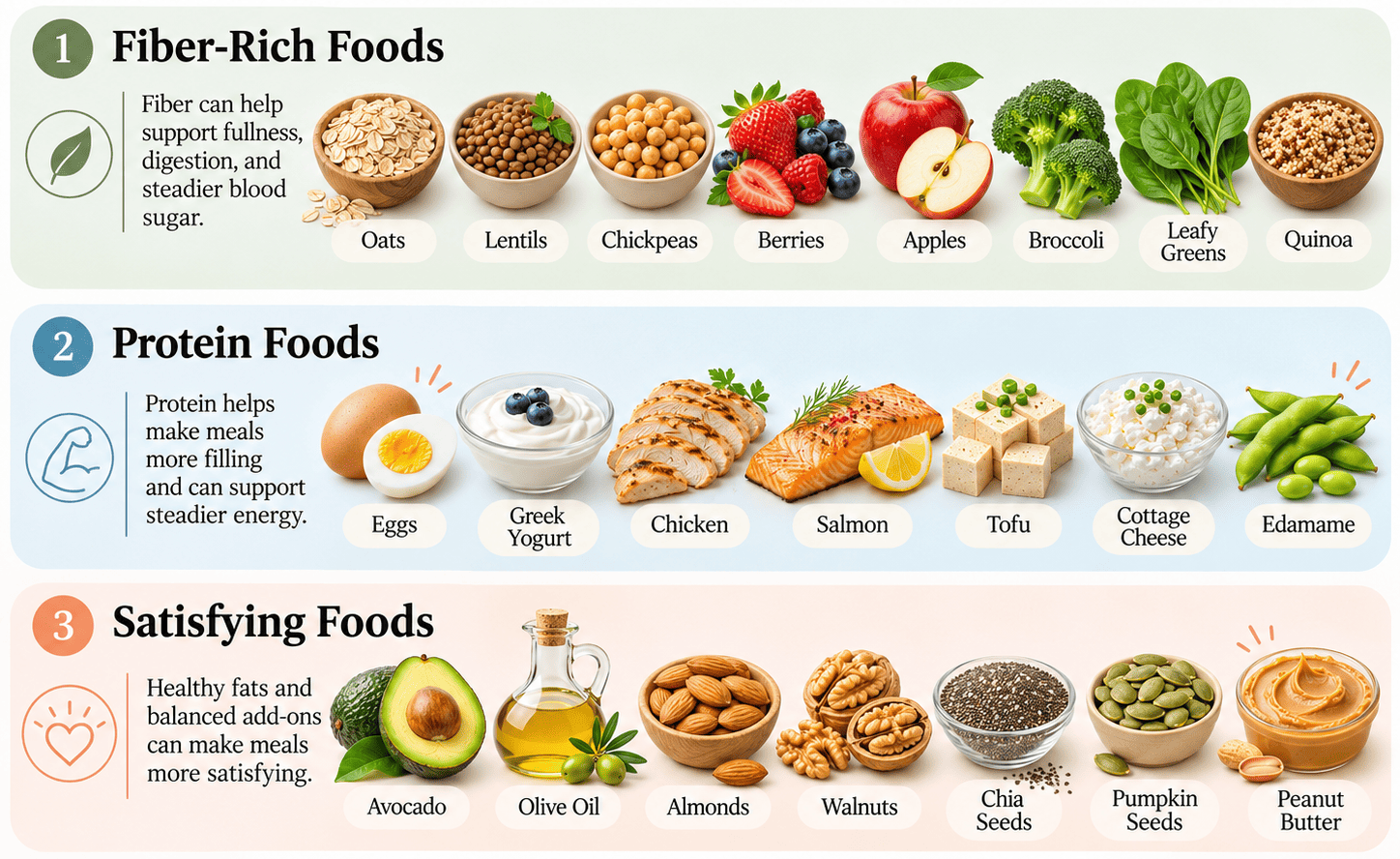
- Fiber: beans, lentils, vegetables, berries, oats, and whole grains add bulk and support digestive health.
- Protein: eggs, fish, poultry, tofu, Greek yogurt, cottage cheese, or legumes can make meals more substantial.
- Unsaturated fats: olive oil, nuts, seeds, and avocado add flavor and can replace some sources of saturated fat.
- Carbohydrates: fruit, potatoes, rice, bread, and pasta can fit. Choose higher-fiber options regularly and adjust portions to your needs rather than banning an entire food group.
- A bean salad can be an inexpensive starting point for a fiber-rich lunch. For a family-friendly example, see The Inspiration Edit's four-bean salad recipe and add a protein source or a side that makes it a satisfying meal for you.
Do you need to stop eating carbs with PCOS?
No. A blanket ban on carbohydrates is not supported by the international PCOS guideline. The type and amount of carbohydrate, the rest of the meal, your blood glucose status, and your preferences all matter. For instance, replacing a sugary drink with water and pairing toast with eggs and fruit may be more useful than trying to eliminate all bread.
If you have prediabetes or diabetes, your clinical team may recommend a more tailored approach to carbohydrate portions and glucose monitoring. That is different from saying every person with PCOS must follow a ketogenic diet.
What about sugar, gluten, and dairy?
A treat does not undo a healthy week, and there is no established requirement for everyone with PCOS to avoid gluten or dairy. Restriction may be appropriate for a diagnosed allergy, celiac disease, lactose intolerance, or another individual medical reason. Otherwise, focus on overall diet quality and portion patterns rather than assuming an ingredient is harmful just because it appears on a PCOS avoidance list.
A Simple PCOS-Friendly Day of Eating
Meal planning can make the advice above easier to apply. This example is not a prescribed calorie plan, and portions should reflect appetite, nutritional needs, activity, and any medical advice you have received.
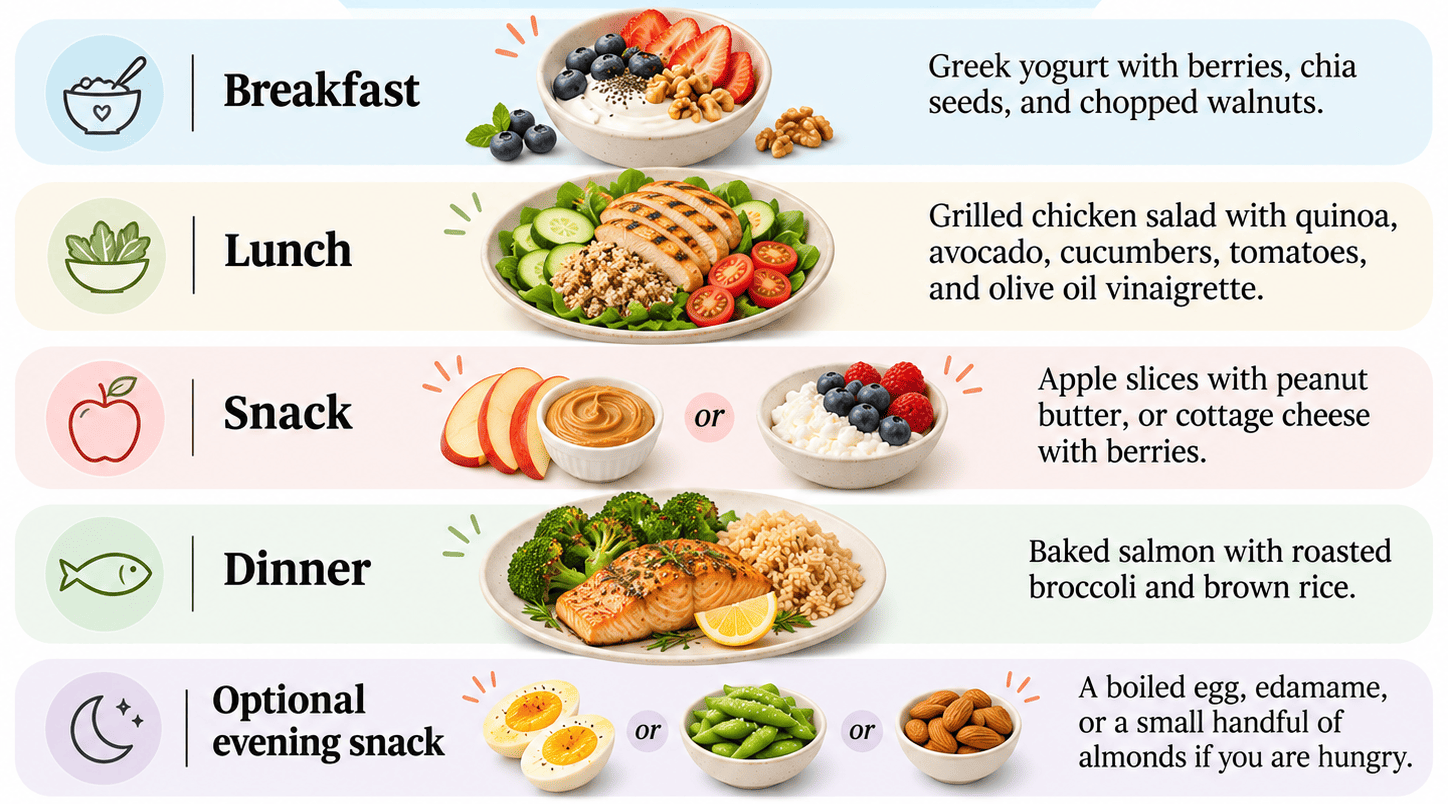
The practical lesson is repetition, not perfection. Keep a short rotation of breakfasts and lunches you enjoy, then vary ingredients by season or budget. Frozen vegetables, canned beans, eggs, and prewashed greens can be just as helpful for planning as elaborate recipes.
Diet Tips That Make PCOS Weight Management Easier
Start with one repeatable change
Trying to overhaul your entire diet on Monday is appealing until Wednesday arrives with work deadlines, family commitments, and an empty refrigerator. A smaller goal is more likely to survive those moments. You might add a vegetable to lunch, pack a protein-rich snack, or plan two dinners before shopping.
Make the healthy choice convenient
Put washed fruit where you will see it. Keep frozen vegetables ready for quick dinners. Cook extra rice, lentils, or a protein source that can become tomorrow's lunch. Convenience is not cheating; it is often the difference between a plan that sounds impressive and one that actually happens.
Avoid the all-or-nothing trap
One restaurant meal or missed workout does not require a compensatory fast, a punishing exercise session, or a restart next week. Eating patterns are built across many ordinary days. If calorie reduction is an agreed goal, it should be tailored, nutritionally adequate, and sustainable rather than severe.
Notice progress beyond the scale
Energy, strength, sleep quality, stamina, and consistency can help you see whether a routine is becoming easier to maintain. Clinicians may also track blood pressure, blood glucose, lipid results, or waist measures when appropriate. The 2023 international PCOS guideline specifically recognizes health benefits from lifestyle changes even when body weight does not decrease.
Exercise and Movement: What Actually Helps?
There is no single workout proven to be best for every person with PCOS. Walking, swimming, cycling, dancing, resistance training, and other enjoyable activities can all be part of a sustainable plan. Your starting point and any mobility or health limitations matter far more than whether a workout is fashionable.
The 2023 international PCOS guideline recommends the general adult target of 150 to 300 minutes of moderate-intensity activity per week, or 75 to 150 minutes of vigorous activity, plus muscle strengthening on two nonconsecutive days. For greater benefits, including support for modest weight loss and preventing regain, it describes a higher target of at least 250 minutes of moderate activity per week or an equivalent vigorous amount. Those are long-term guidelines, not requirements to accomplish immediately.
Make movement fit a crowded calendar
- Walk for 10 to 15 minutes when you can, perhaps after a meal or while taking a phone call.
- Try two short strength sessions at home using body weight or resistance bands.
- Use activity you already enjoy, whether that is gardening, a dance class, or a weekend family walk.
- Increase the duration or difficulty gradually, especially if you are restarting after a long break.
- The best plan is the one you can return to. It is reasonable to start below guideline targets and build consistency over time rather than treating movement as punishment for eating.
Why Sleep and Stress Deserve Attention
Sleep is often pushed aside when people discuss weight management, even though irregular sleep, exhaustion, and stress can make meal planning and activity harder. With PCOS, there is another reason to pay attention: the international guideline reports a higher prevalence of obstructive sleep apnea in women with PCOS, independent of BMI.
If loud snoring comes with waking unrefreshed, daytime sleepiness, or persistent fatigue, raise it with a healthcare professional. Sleep apnea requires proper assessment; it should not simply be attributed to stress or weight.
Stress-management strategies do not have to be elaborate. A predictable bedtime, a short walk outside, a realistic division of household tasks, or a few minutes without screens may be easier to sustain than another demanding wellness routine. If anxiety, low mood, or distress around food is significant, seeking mental-health support is an important part of care.
How Do You Know If Insulin Resistance Needs Attention?
People sometimes look for a single sign that explains every weight change. In reality, insulin resistance is not diagnosed from belly fat, cravings, or a social-media checklist. Changes in skin texture or pigment, such as acanthosis nigricans, can sometimes accompany insulin resistance, but they require clinical interpretation. The Inspiration Edit has a separate explanation of acanthosis nigricans and insulin resistance for readers who want to understand that particular skin finding.
The international PCOS guideline recommends assessing blood glucose status at diagnosis and reassessing it every one to three years according to individual risk factors. It identifies a 75-gram oral glucose tolerance test as the most accurate measure for assessing glucose status in PCOS. Ask your healthcare professional what testing is appropriate rather than ordering an assortment of commercial insulin tests yourself.
When Diet and Exercise Are Not Enough
PCOS care should not end with "eat less and move more." Symptoms, metabolic risks, fertility goals, medications, and personal circumstances all influence the plan. Some adults may benefit from clinician-directed treatments for metabolic health or weight management, while others mainly need support with eating patterns, symptom management, or blood sugar assessment.
A registered dietitian or qualified nutrition professional familiar with PCOS can help translate general advice into meals that match your schedule, food preferences, and health needs. For readers considering individualized support, a PCOS nutritionist can be one part of a broader care team alongside a physician or other relevant clinician.
It is also worth remembering that PCOS can affect reproductive health and emotions as well as metabolism. The Inspiration Edit has shared a personal journey through PCOS and motherhood, a reminder that a diagnosis can touch many aspects of family life and that no two experiences will look alike.
FAQ'S
No. Some people with PCOS gain weight or have difficulty managing it, while others do not. PCOS can occur at a range of body weights. Symptoms and metabolic risk deserve attention regardless of size.
No. Abdominal fat distribution is influenced by many factors. Belly fat alone cannot diagnose PCOS or identify its cause. A clinician evaluates symptoms, medical history, and appropriate diagnostic criteria.
Yes, many people with PCOS can lose weight, though their experiences vary. A tailored, sustainable approach may help when weight loss is an appropriate personal goal. The guideline also emphasizes metabolic and quality-of-life benefits from healthy habits without weight loss.
There is no single best breakfast. A practical combination might include a protein source, high-fiber carbohydrates, and fruit or vegetables. Examples include eggs with whole-grain toast and berries, or yogurt with oats, nuts, and fruit.
Neither is necessary for everyone with PCOS, and the evidence does not establish one diet composition as universally superior. Highly restrictive plans can be difficult to sustain and may be inappropriate for some people, particularly during pregnancy, while trying to conceive, or with a history of disordered eating. Discuss significant dietary changes with your care team.
There is no universal PCOS timeline. Weight can fluctuate for many reasons, including fluid changes. Focus on sustainable habits and agreed clinical goals rather than making promises about a specific number of weeks.




The Takeaway: Manage PCOS, Not Just the Number on the Scale
PCOS and weight gain can feel frustrating, especially when common advice makes the solution sound effortless. A more useful approach starts with the metabolic factors that may be involved and moves toward habits you can actually live with: varied meals, adequate protein and fiber, enjoyable movement, rest, and appropriate medical follow-up.
The goal is not to win a battle with your body. It is to understand it well enough to make choices that support long-term health, whether that means losing weight, preventing further gain, improving blood glucose, or simply building a steadier routine.





Leave a Reply