

For many busy mums, rest is the first thing to disappear when the day gets crowded. Work, school runs, meals, appointments, household jobs and family commitments can leave very little time that feels genuinely free.
The difficulty is that waiting for a completely open afternoon or evening rarely works. There is almost always something else that could be done.
A more realistic approach is to find smaller ways to create space for recovery within the routine that already exists.
That might mean protecting twenty quiet minutes, simplifying an evening habit or deciding that one non-urgent task can wait until tomorrow.
These changes may seem small, but they can make rest feel more achievable.
The aim is not to create a perfect wellness routine. It is to make recovery a normal part of everyday life rather than something reserved for rare occasions.

Jump to:
Build Recovery Into the Week Before It Gets Busy
One of the easiest ways for personal time to disappear is to leave it until everything else has been arranged.
Instead, it can help to decide in advance when recovery will happen. That might be a quiet half-hour after work, a slower Saturday morning, or one evening each week with nothing extra added to the schedule.
Some mums also explore recovery-focused options from brands such as oxify.com when thinking more deliberately about how to support rest and wellbeing around demanding routines.
The important idea is to stop treating recovery as an accidental leftover and give it a defined place.
Putting rest on the calendar may initially feel unnecessary, but it makes it much harder to fill every available moment automatically.
Create a More Comfortable Wind-Down Routine
Evening routines often become a final round of chores rather than a genuine transition toward rest.
Making that period more comfortable can help separate the active part of the day from the quieter one that follows. Soft lighting, comfortable clothes, putting away work devices and reducing unnecessary noise can all make the environment feel calmer.
For mums who like to include a simple body-care step before bed, https://8sheep.com/ can fit naturally into that quieter part of the evening routine without turning self-care into another complicated task.
The routine does not need to be long. In fact, shorter habits are often easier to maintain.
A warm shower, ten minutes of reading, or a small skincare ritual can be enough to signal that the day is winding down.
Stop Trying to Finish Everything Every Night
One of the biggest obstacles to rest is the belief that you must complete every visible task before sitting down.
In reality, many household jobs can wait. A load of laundry can still wait until tomorrow.
A kitchen that is clean enough does not need another twenty minutes of attention. Non-urgent emails can often be answered the next day.
Choosing a sensible stopping point can protect part of the evening without creating major consequences.
This does not mean ignoring responsibilities. It means recognising the difference between what genuinely needs to be done and what simply feels unfinished.
That distinction can make evenings much less demanding.
Make Everyday Decisions Simpler
Mental tiredness does not come only from physical work. Constantly deciding what to cook, what to pack, where everyone needs to be, and what needs to happen next can be exhausting.
Small systems can reduce some of that pressure. Repeating a few easy breakfasts, planning several reliable dinners or keeping school and work essentials in the same place each day removes unnecessary decisions.
The same goes for downtime. Having a few familiar ways to relax means you don't have to spend half an hour deciding how to use a rare quiet moment.
Simple routines free up attention for the decisions that actually matter.
Share the Mental Load, Not Just the Tasks
Family responsibilities are easier to manage when one person is not responsible for remembering everything.
It is one thing for someone else to complete a task after being reminded. It is much more helpful when they take responsibility for remembering and organising it.
Partners and older children can often own specific household routines, from packing sports equipment to checking school schedules or handling certain chores.
A shared calendar can also make family commitments more visible to everyone.
The goal is to reduce the number of things one person has to keep track of throughout the day.
When responsibility is genuinely shared, rest becomes easier because it no longer depends on one person finishing an endless list first.
Protect Small Pockets of Time
Rest does not always need to happen in one long block. Ten minutes with a cup of tea before everyone wakes up, a short walk after lunch, or half an hour without chores in the evening can all create useful breathing room.
The key is to protect those moments instead of immediately filling them with another task.
It can also help to notice when a quiet period is being lost to aimless phone use. Sometimes scrolling feels like rest but leaves people feeling no more refreshed than before.
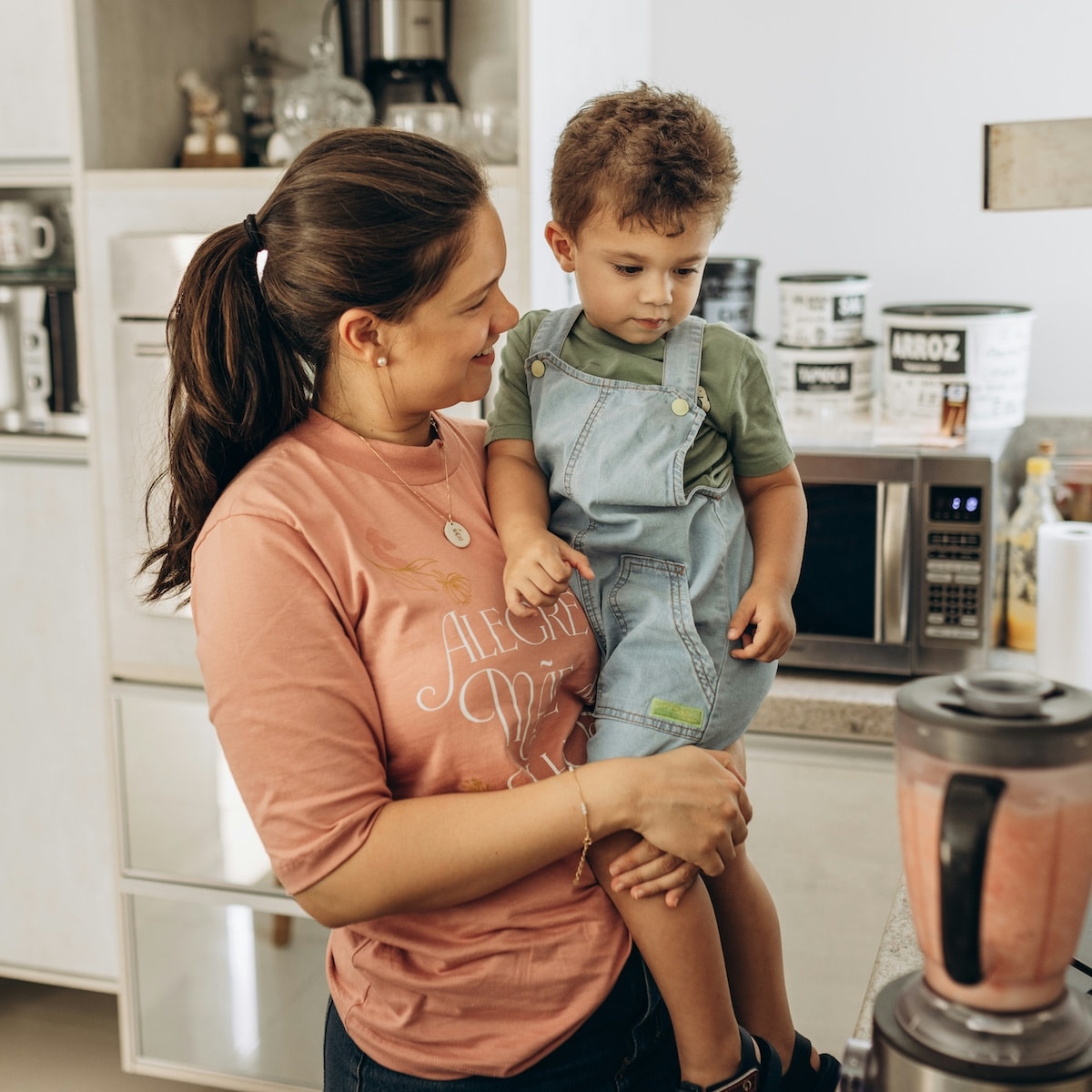




Choosing a more deliberate pause can make a short break feel much more valuable.
Busy mums may never have complete control over their schedules, and some weeks will always be more demanding than others. But rest does not have to wait until life becomes quiet.
By simplifying routines, sharing responsibility, and treating recovery as something worth protecting, you can create more breathing room in an already full day.
The biggest change often comes from accepting that rest does not need to be earned by finishing everything first.





Leave a Reply