

Interstates 40, 85, and 95 carry a steady stream of tractor-trailers across North Carolina. For families heading to the Outer Banks, the mountains, or a grandparent's house, that means hours spent driving alongside vehicles many times heavier than the minivan.
Most truck drivers are careful professionals. The challenge is physics: a fully loaded rig can't stop, swerve, or see the way a passenger car can.
A few habits, drawn largely from federal safety guidance, make those miles noticeably safer for everyone in the back seat.
Jump to:
- Why Trucks Handle So Differently
- Staying Out of the Driver's Blind Zones
- Wide Turns and Merges Need Patience
- Planning the Drive With Kids in Mind
- Night Driving and Weather on Long Hauls
- After a Collision With a Commercial Truck
- North Carolina Deadlines Families Should Know
- Talking With Someone Who Handles Truck Cases
Why Trucks Handle So Differently
The Federal Motor Carrier Safety Administration points out that trucks are often 20 to 30 times heavier than passenger vehicles. A loaded tractor-trailer can weigh up to 80,000 pounds.
That weight affects nearly everything:
- Large trucks and buses can need up to the length of two football fields to stop safely
- They accelerate slowly uphill and can gain speed quickly going downhill
- A higher center of gravity means slower speeds on curves and ramps
- Passing trucks can create wind gusts strong enough to push a small car
A rear-end bump between two cars may end in a dented bumper. The same mistake with a truck can be far more serious.
Staying Out of the Driver's Blind Zones
Trucks have large blind spots on both sides, directly behind, and right in front of the cab. FMCSA's rule of thumb is simple: if the truck driver's face isn't visible in their mirror, the driver probably can't see the car.
Practical ways to apply that on a long drive:
- Pass on the left, steadily, without lingering alongside the trailer
- Wait until the whole truck shows in the rearview mirror before merging back in front
- Avoid passing on the right
- Leave extra room behind a truck stopped on a hill, since it may roll back slightly
Wide Turns and Merges Need Patience
Trucks often swing left before making a right turn because they need the extra room. Drivers who try to slip into that gap on the right can get caught.
The safer move is to wait until the truck completes its turn. The same patience applies on highway on-ramps: giving a merging truck space to change lanes is usually faster in the long run than racing it.
The Federal Motor Carrier Safety Administration's tips for passenger vehicle drivers page lays out these and other habits in plain terms and is worth sharing with teen drivers.
Following distance deserves its own mention. FMCSA points out that a truck stopped on a hill may roll backward slightly when it starts moving again. Leaving a generous gap at lights and in stop-and-go traffic protects against that and leaves an escape route if the traffic ahead changes suddenly.
Planning the Drive With Kids in Mind
Fatigue and distraction are risks for every driver, not just truckers. FMCSA treats distracted driving as being as dangerous as impaired driving.
Simple planning goes a long way:
- Schedule breaks every two hours or so, at rest areas rather than highway shoulders
- Hand snacks and screens to kids before pulling onto the interstate
- Let a passenger handle navigation and texts
- Switch drivers when anyone starts to feel drowsy
- Check that every child is in the right seat for their age and size before each leg
Outdoor stops can double as energy breaks for restless kids. Many of the same ideas behind a successful family hiking day out, such as packing water, layering clothes, and keeping expectations realistic, carry over neatly to long car days.
Night Driving and Weather on Long Hauls
Summer storms along the coast and fog in the mountains near Asheville can cut visibility in minutes. Trucks throw heavy spray on wet pavement, so dropping back a few car lengths gives a clearer view and more time to react. At night, dim the high beams early when following or approaching a truck, since glare in large side mirrors can blind its driver.
Wind is another factor on bridges and open stretches. FMCSA notes that big rigs create gusts of their own, and a small car passing a truck in a crosswind can feel a sharp push. Two hands on the wheel and a steady speed handle that best.
After a Collision With a Commercial Truck
Truck crashes are more complicated than typical car accidents. A single crash may involve the driver, the trucking company, a cargo loader, and a maintenance contractor, each with its own insurer.
Steps that protect a family's position:
- Call 911 and get medical care for everyone, even without visible injuries
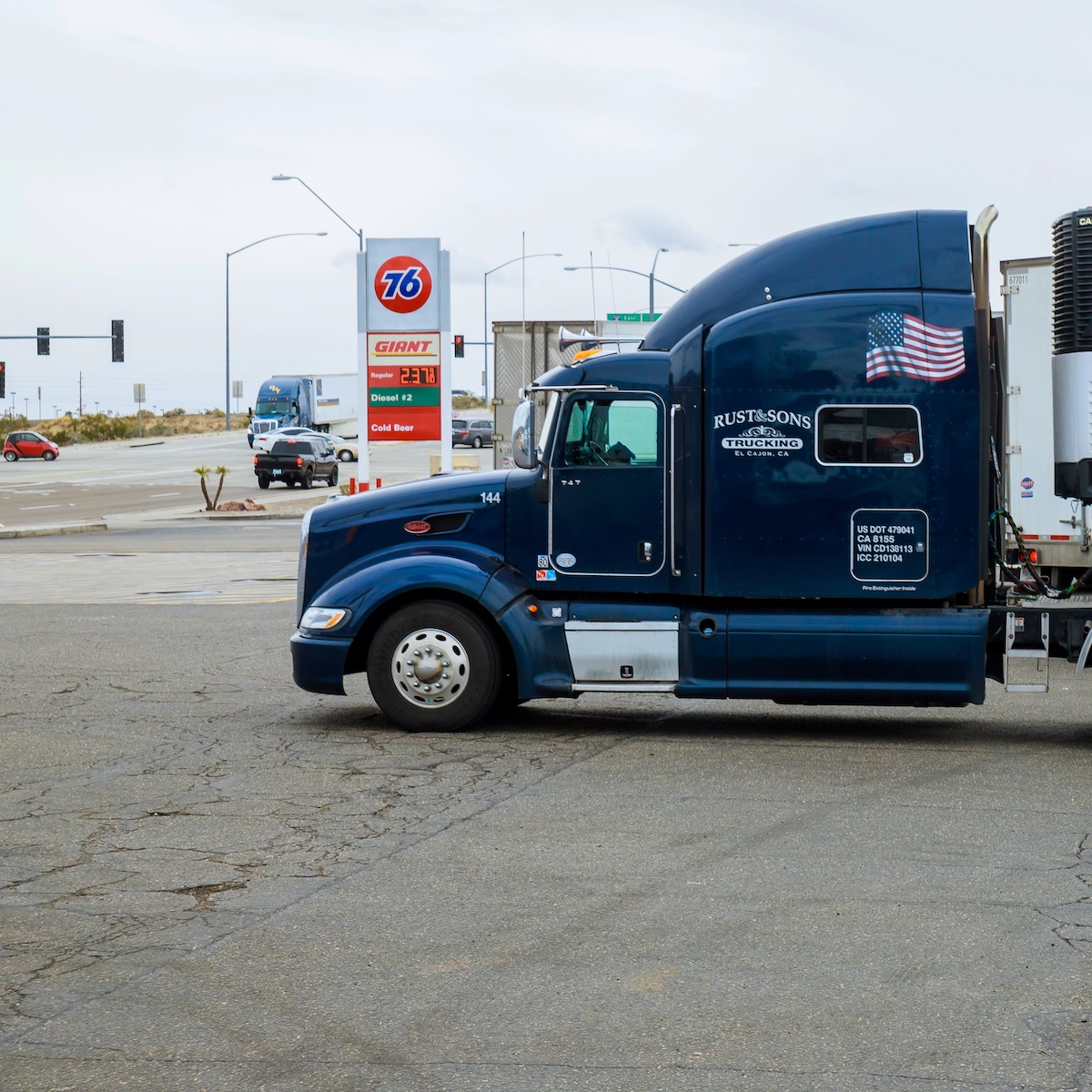
- Photograph the truck, its company name, and any numbers painted on the cab door
- Collect witness names before people leave
- Avoid giving recorded statements to the trucking company's insurer early on
Trucking companies are subject to federal rules on driver hours, inspections, and recordkeeping. That paperwork can show whether fatigue or poor maintenance played a role, but it is not always kept forever, which is one reason prompt action matters.
North Carolina Deadlines Families Should Know
Injury suits in North Carolina typically have a three-year filing window, under N.C. Gen. Stat. § 1-52(16). When a crash causes a death, § 1-53(4) gives survivors two years, counted from the day the person died.
| Type of Claim | General Filing Window |
| Injuries from a crash | Three years |
| Wrongful death | Two years, starting at death |
Because evidence fades quickly, families should not assume that a long filing window means there is no rush to gather photos, witness details, and medical records.




Talking With Someone Who Handles Truck Cases
Most road trips end with tired kids and a full photo roll, nothing more. When a truck crash does happen, the number of parties involved can make the process overwhelming.
A family that wants to understand its options after a serious collision can reach out to a Charlotte truck accident attorney for an assessment of the evidence and timelines involved.





Leave a Reply