

You step into the shower, the water warms up nicely, and then a few seconds later it turns icy cold before heating up again.
If you have an instant (continuous flow) hot water system, this annoying pattern is sometimes called a “cold water sandwich”, and it is one of the most common complaints owners have.
The good news is that most causes are well understood, and many can be fixed or improved. Here is why it happens and what you can do about it.
Jump to:
How an Instant System Works
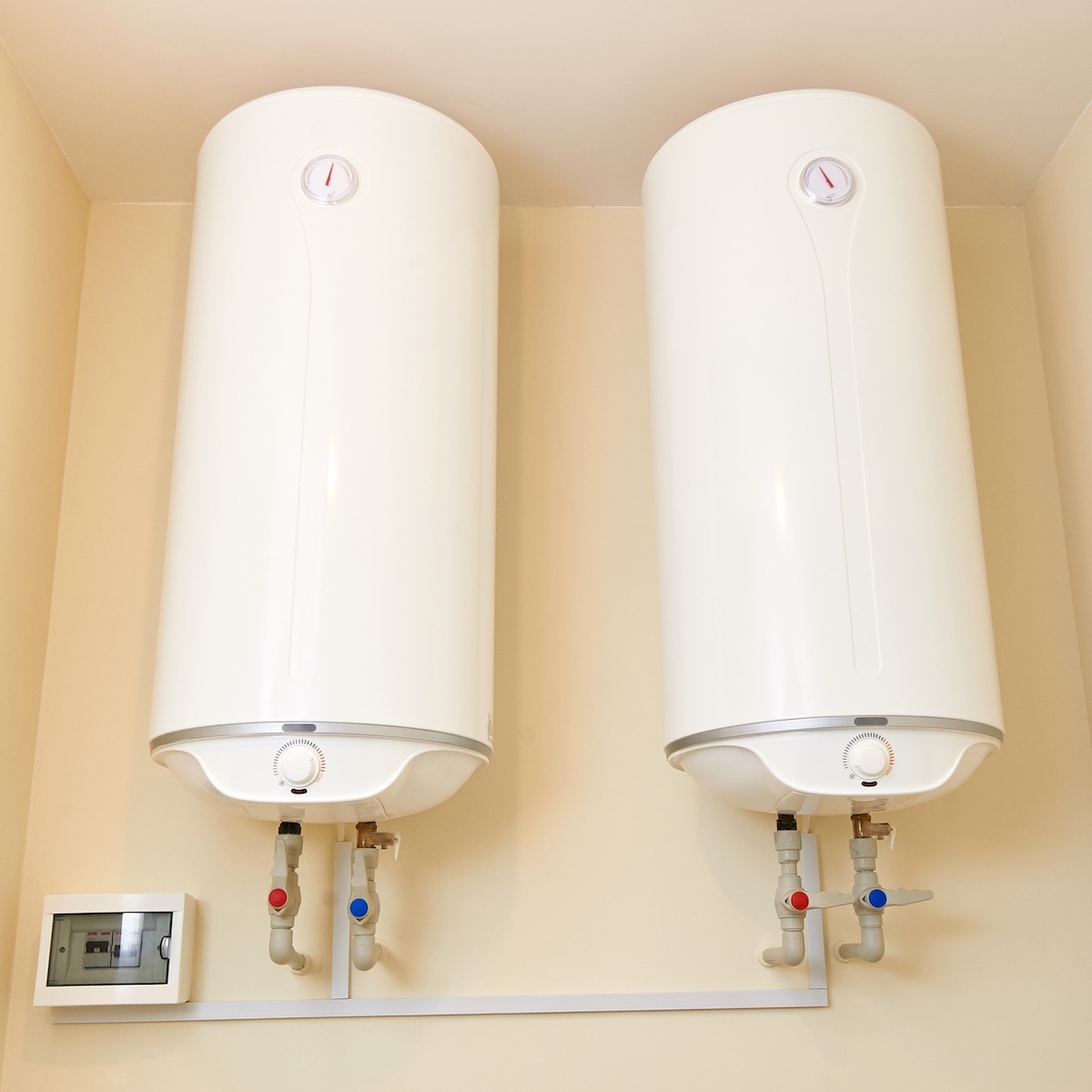
Unlike a storage system, an instant hot water system doesn’t keep a tank of hot water ready.
When you turn on a hot tap, a flow sensor detects moving water, the burner or element fires up, and the water heats as it passes through a heat exchanger.
When you turn the tap off, the heating stops. This design is efficient because you only heat the water you use.
But it also means the system reacts to changes in flow, and that is where temperature fluctuations come from.
Common Causes of Hot Then Cold Water
1. The Cold Water Sandwich
When you turn a tap off briefly and then back on, the water sitting in the heat exchanger is still hot from before.
That comes out first. Meanwhile, the system needs a few seconds to detect flow and fire up again, so a slug of unheated water passes through. Then the newly heated water arrives. The result is hot, then cold, then hot.
This is most noticeable when someone turns the shower off to lather up, or when another tap in the house is turned on and off.
2. Low Flow Rate
Instant systems need a minimum flow rate before they will fire. Water-saving shower heads, partially open taps or mixing with a lot of cold water can drop the flow below that threshold.
The heater switches on and off as flow hovers near the limit, causing fluctuating temperatures.
3. Too Many Outlets at Once
Every instant system has a maximum capacity, measured in litres per minute. If two showers, the kitchen tap and the washing machine all draw hot water at once, the system may not keep up, and temperatures will drop.
4. Blocked Filters or Scale Build-Up
Most units have an inlet filter that can become clogged with debris. Over time, minerals in the water can also build up inside the heat exchanger, especially in hard water areas. Both can restrict flow and reduce heating performance.
5. Gas Supply Problems
For gas systems, an undersized gas line, low gas pressure or a gas meter that can’t keep up with other appliances running at the same time can cause the burner to struggle, leading to temperature swings.
6. A Faulty Component
Failing flow sensors, temperature sensors, ignition components or control boards can all cause erratic performance.
Error codes on the controller or the unit can help identify these.
What You Can Do
Some simple steps can make a real difference:
- Avoid turning the shower off and on while showering, or wait a few seconds after turning it back on before stepping under the water.
- Open the hot tap further and use less cold mixing to keep flow above the minimum.
- Check temperature settings on any controllers. Setting the temperature close to what you want at the shower means less cold water mixing and more stable flow.
- Stagger hot water use where possible, such as running the dishwasher after showers.
- Clean the inlet filter if the manufacturer’s manual says it is user-accessible.
When to Call a Plumber
If temperature problems persist, get worse or come with error codes, unusual noises or a smell of gas, it is time for a professional. A licensed plumber or gas fitter can:
- Test gas pressure and check the gas line is correctly sized
- Descale the heat exchanger
- Test sensors and replace faulty parts
- Check whether the unit is correctly sized for your household
- Recommend a small buffer tank or recirculation option in some situations to reduce the cold water sandwich
Never attempt to open up a gas appliance yourself.
Is Your System the Right Size?
If your household has grown, or you have added a bathroom, your instant hot water system may simply be too small for today’s demand.
Upgrading to a higher flow rate model can solve temperature drops when several outlets run together.



Enjoy Consistent Showers Again
Hot then cold water is frustrating, but it rarely means your system is beyond repair.
Understanding how your instant system responds to flow, adjusting a few habits and getting regular servicing can bring back steady, comfortable showers.



Leave a Reply