

Children can learn a great deal from the ordinary moments that make up family life. Yet, between schoolwork, extracurricular activities, household responsibilities, and screen time, parents can find it hard to create opportunities for meaningful engagement.
At the same time, activities don’t have to be elaborate outings or expensive educational experiences.
Some of the most rewarding activities are the ones that invite children to participate, ask questions, and discover something for themselves.
In this article, let’s take a look at some strategies you can use to keep your kids engaged in a meaningful way.
Jump to:
Turn Screen-Free Moments Into Opportunities for Discovery
Screens can easily become the default source of entertainment during quiet afternoons, car rides, and evenings at home. In a survey of U.S. parents of children 12 and under, 42% said they could be doing better at managing child screen time.
Another 58% said they’re doing the best they can. The age at which children start getting hooked on screens can be shockingly low as well. Around 82% of parents say their child under 2 years old watches TV.
Although digital devices have their uses, children also benefit from activities that encourage them to interact with their surroundings and make decisions independently.
Rather than simply restricting devices, give children appealing alternatives that offer a sense of choice and discovery.
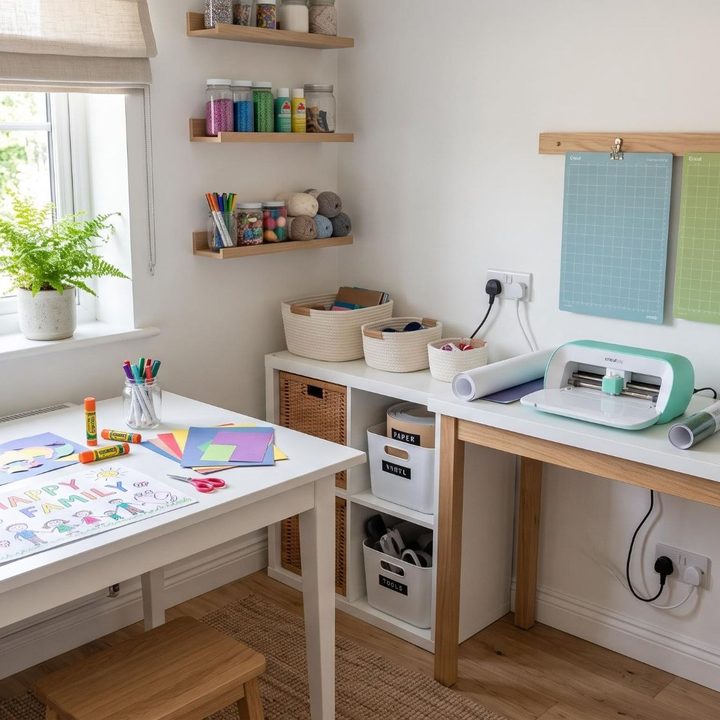
Keep drawing materials, puzzles, building blocks, or simple board games within easy reach. Also, invite them to help with everyday tasks such as preparing snacks or planning a weekend outing.
You could introduce a family curiosity question, encouraging everyone to investigate something interesting they noticed during the day.
The important part is to keep track of engagement levels. This is the part that most parents overlook.
Pay attention to whether your kids become more curious, participate willingly, or show an interest in returning to an activity. These are signs that can help you decide what to try next. This kind of attention to progress is common in professional settings.
Organizations and non-profits that support children and families need ways to understand whether their programs are producing meaningful results.
Community CareLink social services software is an example. This solution allows such organizations to create clear documentation and track daily activity into outcomes that matter.
In their context, maintaining these records can help demonstrate their impact when applying for funding. In a family context, tracking outcomes helps parents notice which activities encourage their children's interests and involvement.
This makes it easier to offer alternatives to passive screen time that they will actually enjoy.
Make Reading, Storytelling, and Creative Play Part of Everyday Life
Reading for pleasure can easily become another obligation when children associate books primarily with homework, comprehension exercises, and school assignments. It’s no surprise then that reading for fun is falling. Just 32.7% of 8- to 18-year-olds in the UK said they enjoy reading in their free time. This was the lowest level since the question was first asked in 2005. Fewer than 1 in 5 (18.7%) read something daily.
One way to encourage a different relationship with books is to let children choose what they want to read. Graphic novels, joke collections, illustrated nonfiction, sports biographies, and books about favorite animals can all provide an enjoyable starting point.
Even if you have a Kindle or e-books on a tablet, it’s probably a better idea to visit a library together.
This keeps children away from more screen time and allows them to discover subjects they might never have considered.
If you can make reading and storytelling enjoyable parts of family life, your kids have more room to explore their interests and feel fulfilled.
Use Nature and Shared Meals To Build Connection
Spending time outdoors is another great strategy and gives children opportunities to move, observe, and explore without requiring a tightly organized activity. A walk around the neighborhood can become a chance to identify birds, compare different leaves, or notice changes in the weather. It also comes with some major health benefits.
According to one study, children who spent just 60 minutes a day in nature had a 50% lower risk of mental health issues. Professor Rich Mitchell, senior author of the study, noted that natural environments also reduced gaps in mental health between higher- and lower-income children.
You do not necessarily need access to large parks or nature reserves to enjoy these benefits. A community garden, a nearby walking trail, or a small green space can provide similar opportunities to enjoy nature. Let your kids choose the direction of a short walk occasionally or decide what they want to investigate. This gives them some ownership of the experience.
Likewise, shared meals offer another opportunity for connection, particularly when family members have different schedules. The World Happiness Report noted that 1 in 4 Americans reported eating all of their meals alone the previous day. This represented an increase of 53% since 2003. It also highlighted that dining alone has become common in every age group, but particularly so among young people.
Inviting children to help prepare meals, choose a side dish, or set the table can make dinner feel more collaborative. Even a few shared meals each week can create regular opportunities for your family to reconnect.
FAQ’S
Choose activities with flexible levels of difficulty so everyone can participate comfortably. Younger children might enjoy simple crafts or spotting birds, while older kids can take charge of planning a route or preparing a meal. Letting everyone contribute ideas helps family time feel more inclusive.
Cooking simple meals, shopping for groceries, caring for plants, and organizing a family game night can all teach useful skills. These activities help children practice decision-making, cooperation, and problem-solving while spending time with loved ones, without requiring expensive supplies or special outings.
Start with activities connected to your child's existing interests, then introduce small variations to keep things engaging. Avoid expecting them to finish every project or stick with one hobby immediately. Giving children choices and allowing breaks can help them discover what they genuinely enjoy.
Key Numbers & Facts at a Glance
| Percentage of parents who said they could be doing better at managing child screen time | 42% |
| Screen use among very young children | 82% of kids under 2 years watch TV |
| Percentage of kids who enjoy reading | 32.7% |
| Percentage of kids who read every day | 18.7% |
| Impact of time in nature on kids | 50% lower risk of mental health issues |
| Percentage of Americans eating meals alone | 53% |




Making everyday activities more meaningful for children does not require you to reorganize your life or plan something special every day.
As we’ve seen, a short walk, a library visit, a screen-free game, or an opportunity to help prepare dinner can offer valuable experiences.
The most useful starting point is to choose one small change that fits comfortably into the family's routine. You can then pay attention to how children respond.
Remain flexible and remember that the goal isn’t to restrict things they find fun. Rather, it’s to help them discover and engage with a wider range of activities instead of just a digital screen.




Leave a Reply