

Fibre internet has become increasingly popular among residential and commercial buildings.
This provides faster speeds, improved reliability, and more consistent quality of service compared to traditional DSL or cable connections.
Understanding the services offered by fiber internet providers and their coverage areas enables consumers to make informed decisions.
This article outlines what fiber connections typically offer and the factors influencing service availability, giving readers a clear idea of what to expect from fiber internet providers.
Jump to:
What Is Fiber Internet?
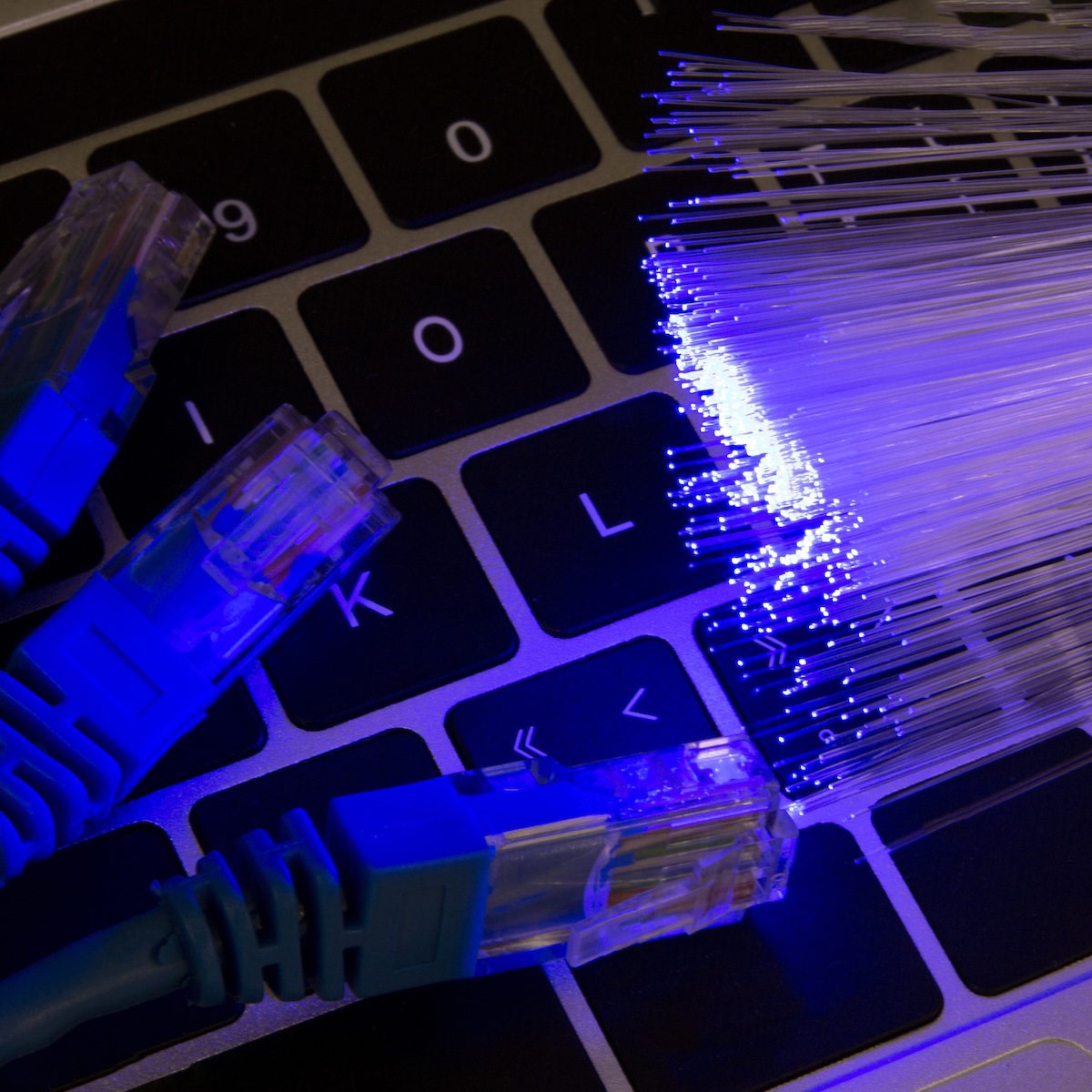
Fiber internet uses thin strands of glass or plastic that make up fiber-optic cables.
These cables carry data as light rather than electrical impulses, allowing information to move much faster than regular cable or DSL lines.
Downloads complete faster, streams run smoother, and video calls are more fluid.
Fibre connections also let multiple devices run simultaneously without noticeable performance degradation.
Benefits of Fiber Internet Services
Understanding the advantages of fiber internet helps users make smarter choices for home or business connectivity.
From speed to reliability, these benefits directly impact productivity, entertainment, and overall internet experience.
One of the greatest advantages of fiber internet is its high speed. Many providers, such as a reliable Kermit Fiber internet provider, offer symmetric plans, meaning upload and download speeds are the same, which is ideal for activities such as video conferencing, cloud storage, and live streaming.
This ensures consistent performance for both work and entertainment needs. Fibre-optic infrastructure is also highly reliable and stable, as it is resistant to weather-related disruptions and electrical interference.
Users benefit from uninterrupted connectivity, which is critical for remote work, online learning, and streaming applications.
Together, these factors make fiber internet a superior choice for those who need fast, dependable, and consistent online performance.
Types of Fiber Internet Services
To choose the right fiber plan, it’s useful to know the different types of connections available.
Each type offers varying performance levels depending on how the fiber reaches your home or business.
1. Fiber-to-the-Home (FTTH)
The most direct type of fiber service is fiber-to-the-home, where the fiber cable runs all the way to the customer’s residence. This setup delivers the fastest speeds and the most consistent performance.
2. Fiber-to-the-Curb (FTTC)
Some areas use fiber-to-the-curb, where fiber reaches a distribution point near homes and then continues via existing copper lines. While slightly slower than FTTH, this option still offers improved performance over traditional broadband.
Factors Influencing Fiber Internet Coverage
Fiber availability depends on multiple factors. Urban areas often see new infrastructure rolled out first due to population density, which justifies investment costs.
Rural communities experience slower deployment because installation is more expensive and potential customers are fewer.
Local policies, incentives, and public-private partnerships can accelerate infrastructure expansion, improving accessibility for underserved regions.
Evaluating Fiber Internet Provider Offerings
Consumers should compare available plans, speeds, and pricing when selecting a fiber internet provider. Providers focus on residential customers, which businesses also target with unique needs.
Customer support responsiveness and attentiveness are critical for those depending on the internet to work or learn, in this case.
Reading reviews by users located closest to the service can help indicate reliability. Reading user reviews in your local area can provide insight into actual performance, while checking contract terms ensures no unexpected fees or restrictions arise.
Understanding Installation and Equipment Needs
Fiber internet installation varies by provider. Some require professional installation by technicians, while others allow self-installation with provided hardware.
Users often need a modem and router compatible with fiber-optic signals. Ensuring your devices are updated and compatible avoids potential issues and maximizes performance.
Challenges in Expanding Fiber Coverage
Expanding fiber networks can be complex and expensive. Understanding these challenges helps users appreciate why some areas still lack fiber access.
Several factors, from construction hurdles to regulatory requirements, influence how quickly fiber internet can be deployed in different regions.
1. Infrastructure and Construction Challenges
Before fiber can reach homes or businesses, providers must build the necessary infrastructure.
Construction often involves trenching or installing poles to carry the cables, which requires permits, careful planning, and coordination with local authorities. These processes are time-consuming and add to deployment costs.
2. Regulatory and Environmental Factors
Local regulations and environmental considerations can further slow deployment.
Providers must navigate zoning laws, obtain permits, and sometimes follow environmental guidelines that protect public spaces or wildlife.
Unfavorable weather conditions, such as heavy rains or storms, can also delay installation.
3. Cost and Market Demand Considerations
Expanding fiber networks is a significant investment, and providers must assess potential demand before committing resources.
Rural areas or regions with fewer customers may see slower deployment because of higher costs and lower expected returns.
Providers balance infrastructure investment with projected adoption to ensure sustainable growth.
Conclusion
Despite deployment challenges, fiber internet remains the optimal solution for high-speed, reliable, and scalable connectivity.




Understanding service offerings, provider reliability, and coverage areas helps consumers select the best option for their needs.
Providers like Kermit Fiber Internet Provider ensure consistent speeds, support multiple devices, and deliver seamless performance, making fiber an essential investment for modern homes and workplaces.





Leave a Reply