

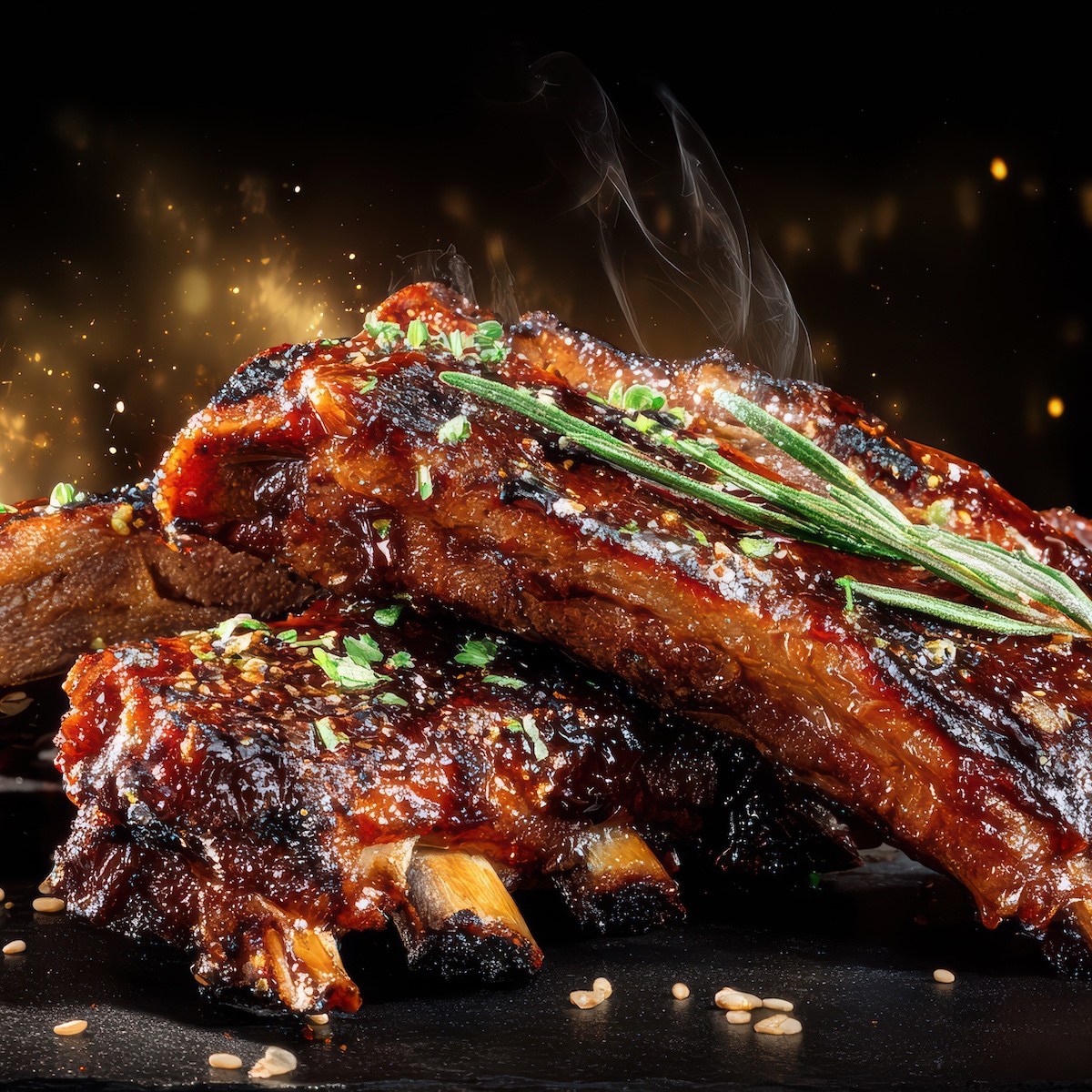
Ribs. Lots of people enjoy them. Rich in flavor. Melt-in-your-mouth texture. Caramelized crust and sauces.
All of this, as well as the tactile experience of eating them, makes ribs a truly enjoyable meal.
But the savory flavor might not hit the spot every time. Even if it’s a staple of ribs, the meat around the ribs can be infused with deep umami from cooking close to bone, fat, and cartilage, and it’s not for everyone.
So, that’s when you want to add a little additional sweetness to the recipe. The question is, though, how do you do this?
Fortunately, this post outlines three easy ways to make your ribs recipe sweeter. Keep reading to learn how.
Tweak Your Dry Rub
The dry rub is crucial. This what creates a flavorful surface crust. Some people call it the bark.
But it also seasons the meat through osmosis and prevents excess moisture from stopping proper browning.
Typical dry rubs will preserve the natural meaty and savory flavors. For this reason, you might need to make some adjustments. Maybe you want to add sugar to the rub.
That would round out the heavy notes of pork while creating a classic barbeque flavor profile. Brown sugar especially would do this and build a far better bark if cooked right.
However, you do need to be careful. Sugar burns a lot faster at higher temperatures. This runs the risk of turning dark or bitter before the meat is even fully tender.
Add Sweetness During the Foil Wrap
Consider the foil wrap next. The foil wrap does so much. It traps moisture. It speeds up the cooking process. And it even tenderizes the meat through a mini-braising effect.
All of this is essential to ensure the meat achieves that melt-in-the-mouth softness.
Some people will add sweetness directly into the foil wrap during the braising stage. They might use honey or maple syrup. Others will use fruit juice, cider, or peach nectar.
If you do want to use peaches, then you could try grilled peach bourbon ribs with BBQ sauce. Just be sure to use the right seasoning for peach bourbon ribs.
Adding sweetness at this stage allows for deep penetration. The heat and moisture open the surface of the meat.
This allows the melted sugars and fats to soak into the outer layers. That’s much better than just sitting on top!
Build a Sticky Glaze at the End
Finally, the glaze matters. A sticky glaze must be applied at the end of cooking ribs.
Doing so too early could cause the sugars to burn and turn bitter. Instead, wait until the final ten to 20 minutes. That lets the sugars heat up, melt, and caramelize.




You want to create a lacquered finish here. Whether you use honey, brown sugar, or molasses, the glaze must be reduced on the stove first. This concentrates the sugars and liquids. Then it can be brushed on the ribs under a final blast of heat, creating a shiny, glossy “lacquer.”
To conclude, adding sweetness to ribs is entirely possible, you just need to know how to do it right. Thankfully, if you follow the tips outlined in this post, you will achieve a delicious recipe.





Leave a Reply