

Best Smart Home Upgrades for Energy Savings focus on technology that reduces waste, lowers bills, and increases comfort while preventing costly repairs in the long run.
Many homeowners delay upgrades to save money, but waiting until systems break down often leads to higher expenses later.
Smart thermostats, such as Nest or Ecobee, can adjust heating and cooling based on your family’s schedule, saving energy without sacrificing comfort.
Smart lighting systems with LED bulbs and motion sensors help reduce electricity use by turning off lights automatically in empty rooms.
Smart plugs and power strips monitor device usage and cut phantom energy drain from electronics left on standby.
Energy-efficient appliances, like refrigerators, washers, and dishwashers with smart controls, provide long-term savings while improving performance.
Leak detection sensors and smart water heaters can prevent costly water damage and lower utility bills.
Solar panels paired with smart energy monitoring systems give families even greater control over their consumption and long-term costs.
By investing in these upgrades now, especially in high-cost living areas, homeowners can boost efficiency, save money, and create a more sustainable, comfortable living space.
This article highlights practical and smart home improvements that can save money, increase comfort, and boost long-term value.
Jump to:
- Keep Your Roof in Check Before It’s Too Late
- Upgrade Insulation for Long-Term Comfort and Savings
- Modernize Windows and Doors
- 🤖 Looking For An Answer?
- Install a Smart Thermostat
- Prioritize Plumbing and Water Efficiency
- Strengthen Home Security with Smart Systems
- Upgrade Electrical Systems for Safety and Efficiency
- Improve Outdoor Spaces with Smart Landscaping
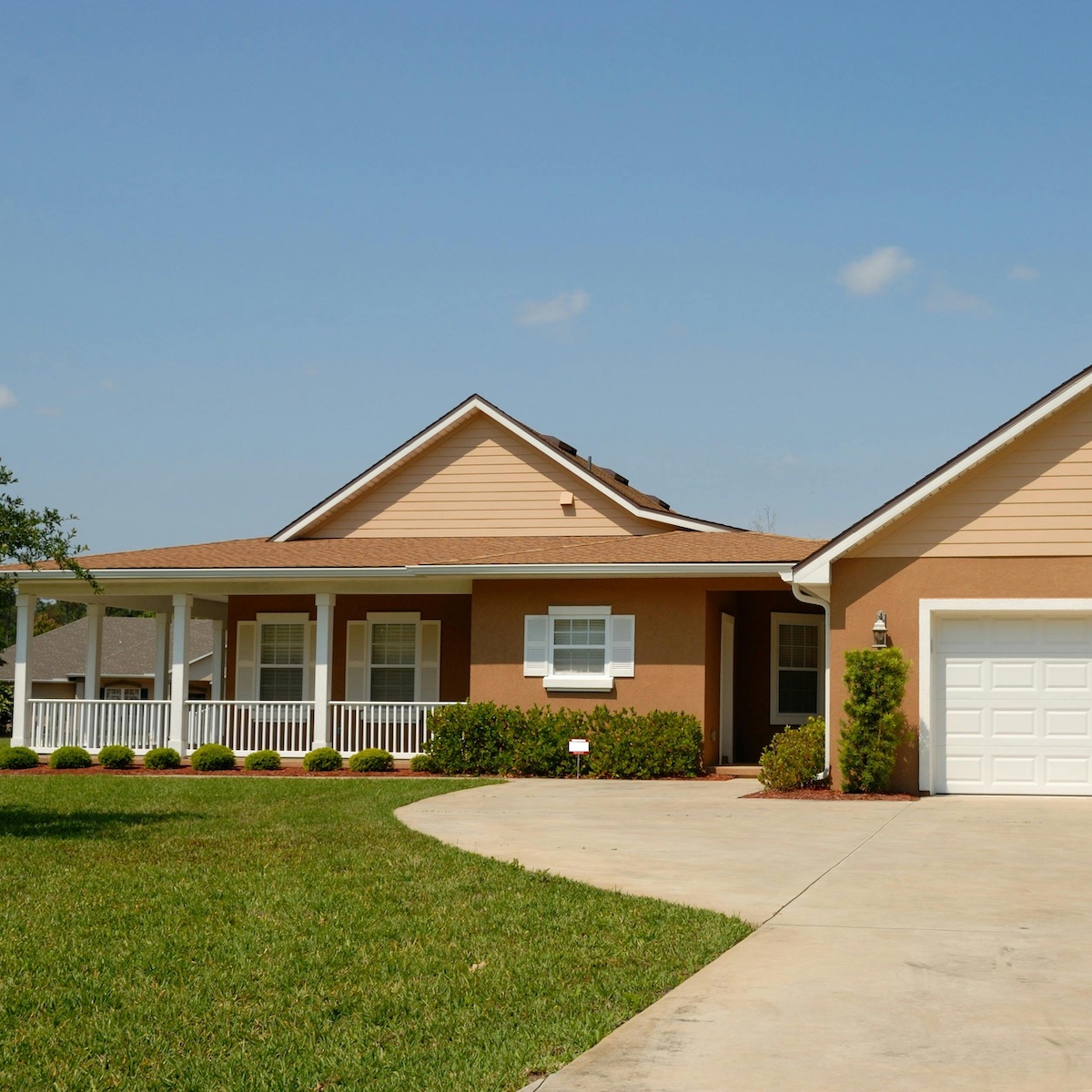
Keep Your Roof in Check Before It’s Too Late
Your roof does more than keep you dry; it protects the entire structure of your home.
When it begins to wear down, problems can escalate quickly. Leaks, water damage, and mold can all stem from neglecting roof maintenance.
In San Francisco, while the weather doesn’t usually bring harsh extremes, the rainy months from November to March can take a toll on even a decent roof.
That makes inspections and small upgrades vital if you want to avoid expensive repairs later.
Simple updates, like replacing damaged shingles or improving flashing around chimneys and vents, are cost-friendly compared to a full roof replacement.
Another smart step is adding waterproof barriers to vulnerable areas. These prevent rain from seeping into small cracks that often go unnoticed.
Even though these upgrades may seem manageable on your own, it’s always safer to rely on a local San Francisco roofer.
They know the climate, can spot hidden issues you might miss, and ensure everything is installed correctly.
Spending a little now on roof care is less painful than facing thousands in water damage later, right?
Upgrade Insulation for Long-Term Comfort and Savings
Never underestimate the power of insulation when it comes to saving money. Without proper insulation, heating and cooling systems work harder than they need to.
This constant strain spikes your energy bills and simultaneously shortens the lifespan of your HVAC system.
Adding insulation to attics, walls, and crawl spaces helps maintain consistent indoor temperatures throughout the year.
Sealing drafts around windows and doors with weather-stripping can make a noticeable difference.
These upgrades keep conditioned air inside where it belongs. In the long run, insulation pays for itself by lowering utility bills and keeping your home comfortable no matter the season.
Modernize Windows and Doors
Windows and doors often go unnoticed until they become a problem. Drafts around older windows and doors cause heating and cooling systems to run constantly, wasting energy and money.
Modern double-pane or energy-efficient windows provide far better insulation, keeping indoor temperatures stable and lowering energy use.
Upgrading doors can also make a big difference. Reinforced frames, weather-resistant seals, and materials designed to prevent heat loss all contribute to a more efficient home.
Beyond energy savings, modern windows and doors also improve security. Stronger glass and secure locking systems deter break-ins and add peace of mind.
These are upgrades that don’t just save money; they protect your home and family, too.
🤖 Looking For An Answer?
Ask AI to summarise this post to see if the article answers your questions:
Install a Smart Thermostat
Smart thermostats have become one of the easiest and most effective ways to cut energy costs.
They learn your household’s habits, adjusting temperatures automatically so you don’t waste energy when no one is home.
Some models allow you to control settings remotely through your phone, meaning you can adjust the temperature before you even walk in.
The installation process is quick, and the savings add up fast. Many homeowners find that their smart thermostat pays for itself within a year or two.
Prioritize Plumbing and Water Efficiency
Plumbing is another area where ignoring small problems can have expensive consequences.
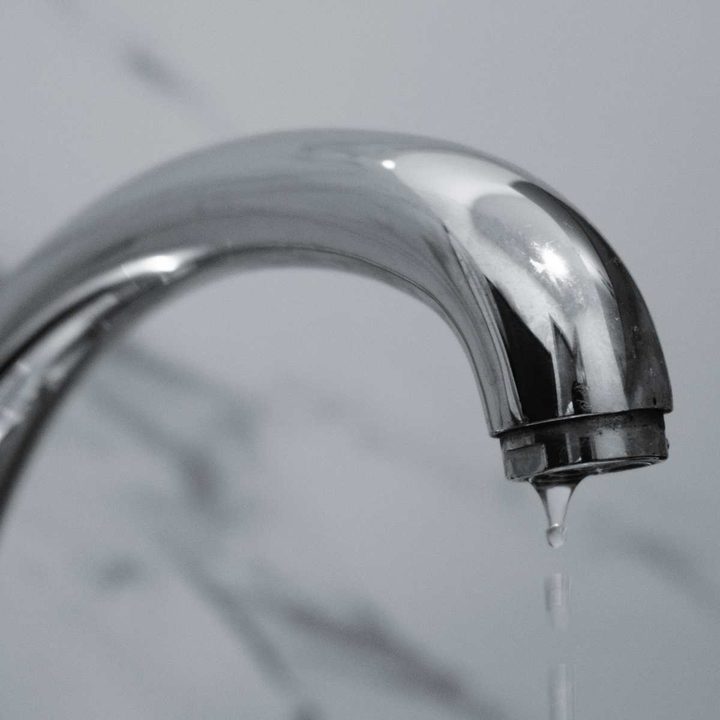
A slow leak may not look like much, but over time, it can damage floors, walls, and foundations. Regular inspections and quick repairs help avoid these issues.
Replacing outdated pipes or fixtures is another smart move, as older systems are more prone to leaks and corrosion.
Water efficiency is another reason to consider plumbing upgrades. Low-flow toilets, faucets, and showerheads reduce water use without sacrificing performance.
These improvements lower monthly utility bills while also conserving a valuable resource.
Strengthen Home Security with Smart Systems
Home security has evolved well beyond locks and deadbolts. Today’s smart security systems give you more control and visibility over your home.
Video doorbells let you see who’s at the door in real time, even when you’re not home.
Smart locks allow you to lock or unlock doors remotely, which is a huge benefit if you need to let in a family member or service provider.
Security cameras, both indoors and outdoors, can be monitored from your phone, giving you peace of mind no matter where you are.
Beyond convenience, these systems can also save money. Many insurance companies lower premiums when homes are equipped with reliable security measures.
They also deter potential break-ins, preventing both financial and emotional stress.
While the upfront cost may feel like an extra expense, the combination of security, savings, and long-term value makes smart security systems one of the most practical upgrades you can make.
Upgrade Electrical Systems for Safety and Efficiency
Older electrical systems can’t always handle the demands of modern living. Overloaded circuits and outdated wiring create safety hazards that can lead to costly emergencies.
By upgrading your electrical panel and wiring, you make your home safer while also preparing it for the future.
This is especially important if you plan to add new appliances, install an electric vehicle charger, or expand your home’s smart features.
Efficiency is another reason to invest in electrical upgrades. Adding smart outlets and LED lighting reduces wasted energy.
Unlike traditional bulbs, LEDs last much longer and use a fraction of the power.



Improve Outdoor Spaces with Smart Landscaping
Your outdoor areas can either drain your resources or help conserve them. Smart landscaping focuses on sustainability as well as beauty.
Drought-resistant plants reduce the need for constant watering, while drip irrigation systems make sure water goes directly to the roots where it’s needed most.
These strategies lower your water bill and reduce the time you spend maintaining your yard.
Lighting is another area where smart upgrades pay off. Motion-sensor lighting adds security while ensuring energy isn’t wasted keeping spaces lit all night.
Outdoor improvements add value to your property while making it more enjoyable to use year-round.
Investing in home upgrades is about more than fixing what’s broken—it’s about building resilience for the future.
Each improvement, whether big or small, creates a more efficient, secure, and comfortable place to live.
The right upgrades also give you greater control over rising utility costs, unexpected repairs, and even environmental impact.
If you start with the areas that matter most to your home, you set the foundation for years of savings and stability. The best time to act isn’t when a system fails; it’s now, while you still have the choice to upgrade on your own terms.



Leave a Reply