

Managing a community center or local event venue means handling everything from town halls to family celebrations.
Traditional projection setups often struggle when natural light floods the room, leaving your audience squinting at washed-out slideshows and blurred videos.
Upgrading your venue with modern digital display panels solves this frustration. Replacing tired projector screens gives your space the sharp clarity and reliability needed for any public gathering.
Jump to:
Why Are Traditional Projectors Failing Your Gathering Space?
Sunlight pouring through large windows creates glare that washes out projection screens. Forcing venue staff to pull heavy blinds or dim room lights creates a dark environment that hinders note-taking and dampens energy during morning or afternoon meetings.
Projectors require clear sightlines across the room. Anyone walking across the presentation space casts a shadow over the screen, interrupting slides and distracting attendees.
Digital display screens generate their own light, eliminating throw-distance issues. Presenters can move freely around the stage without casting shadows over critical information.
Selecting Reliable Hardware Providers and Regional Partners
Sourcing robust display technology across North America requires a partner who understands facility demands. Venue directors looking for turnkey solutions can decide whether you work with an LED screen supplier Canada or someone with broader regional distribution to outfit their halls with high-performance screens. Local partners handle transport, setup, and hardware guarantees so your staff can focus on running smooth events.
Working with established hardware vendors guarantees access to replacement parts and technical support. Direct manufacturer warranties protect your facility against unexpected maintenance costs down the road.
Regional technical teams also offer professional installation services tailored to your building architecture. Proper wall mounting and structural support keep your hardware secure for years of constant public use.
How Does High-Nit Visual Technology Overcome Ambient Light?
Screen brightness determines how well your visuals combat ambient sunlight. Standard indoor televisions struggle in sunlit halls, but commercial display panels built with high nit ratings cut through intense room light with ease.
According to guidelines published by the Kiosk Industry Association, displays in brightly illuminated environments require luminance ratings between 1,500 and 2,500 nits to deliver crisp, legible imagery. High light output keeps your slides, videos, and graphics sharp regardless of window placement or overhead lighting.
Investing in proper nit capacity means you never have to adjust hall lighting just to make a presentation readable. Your guests enjoy clear visuals while sitting in bright, comfortable spaces.
Pick the right screen brightness so everyone in the room can see your message. Very bright screens work well in lobbies, conference halls, and event spaces with big windows.
When you choose a display, think about screen size and how far people will sit. Anti-glare coatings cut down on reflections that make content hard to read. Matching the display to the room gives every guest a better viewing experience.
What Makes Modular Display Panels Durable and Efficient?
Solid-state display technology offers strong operational longevity for active community halls. Unlike projector bulbs that degrade quickly and demand frequent replacement, modular LED panels run reliably through thousands of event hours.
Modern panel architecture provides several distinct advantages for busy venues:
- Lower power consumption: Advanced display engineering draws far less electricity during all-day community conferences.
- Reduced heat output: Solid-state components operate coolly, maintaining comfortable room temperatures without extra air conditioning.
- Simplified tile repairs: Individual panel failures require swapping out a single module rather than replacing the entire screen system.
Lower utility costs and reduced maintenance demands make modular screens a practical long-term investment. Your venue saves money on operating expenses while offering top-tier visual performance.
How Do Modular Screens Adapt to Different Event Layouts?
Community spaces host diverse functions ranging from intimate workshops to full-scale celebrations. Modular tile systems allow venue managers to scale display sizes up or down based on attendance and room configuration.
Insights from the World Education Network highlight that modular panel systems enable rapid deployment and consistent visual clarity across settings, from small community meetings to large arenas.
Fast setup times allow your staff to reconfigure halls quickly between morning seminars and evening receptions.
Flexible display sizing means you never waste space or power on oversized setups for smaller groups. Your team can tailor visual setups precisely to match each client's event layout.
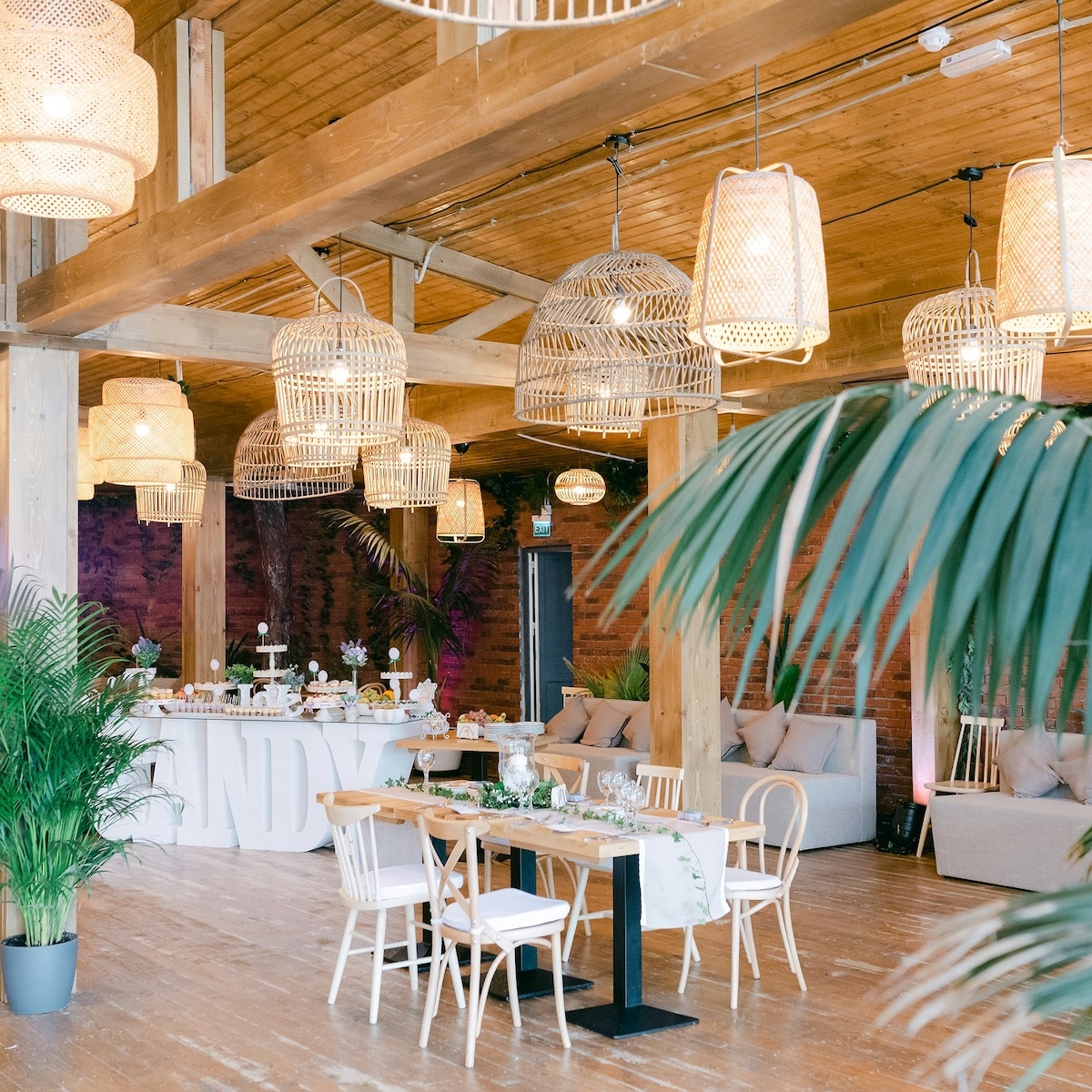




Smaller screen setups work well for training sessions and small private events. Bigger setups can handle presentations, performances, and large crowds.
Modular panels let you change the display without replacing the whole system. Plan the layout ahead of time so staff can place screens for good viewing from any seat. This flexibility lets venues host more kinds of events with the same equipment.
Choosing durable visual technology gives your community venue a permanent operational upgrade.
Modernizing your visual infrastructure guarantees clear presentations, seamless event execution, and higher audience engagement for every gathering you host.





Leave a Reply