

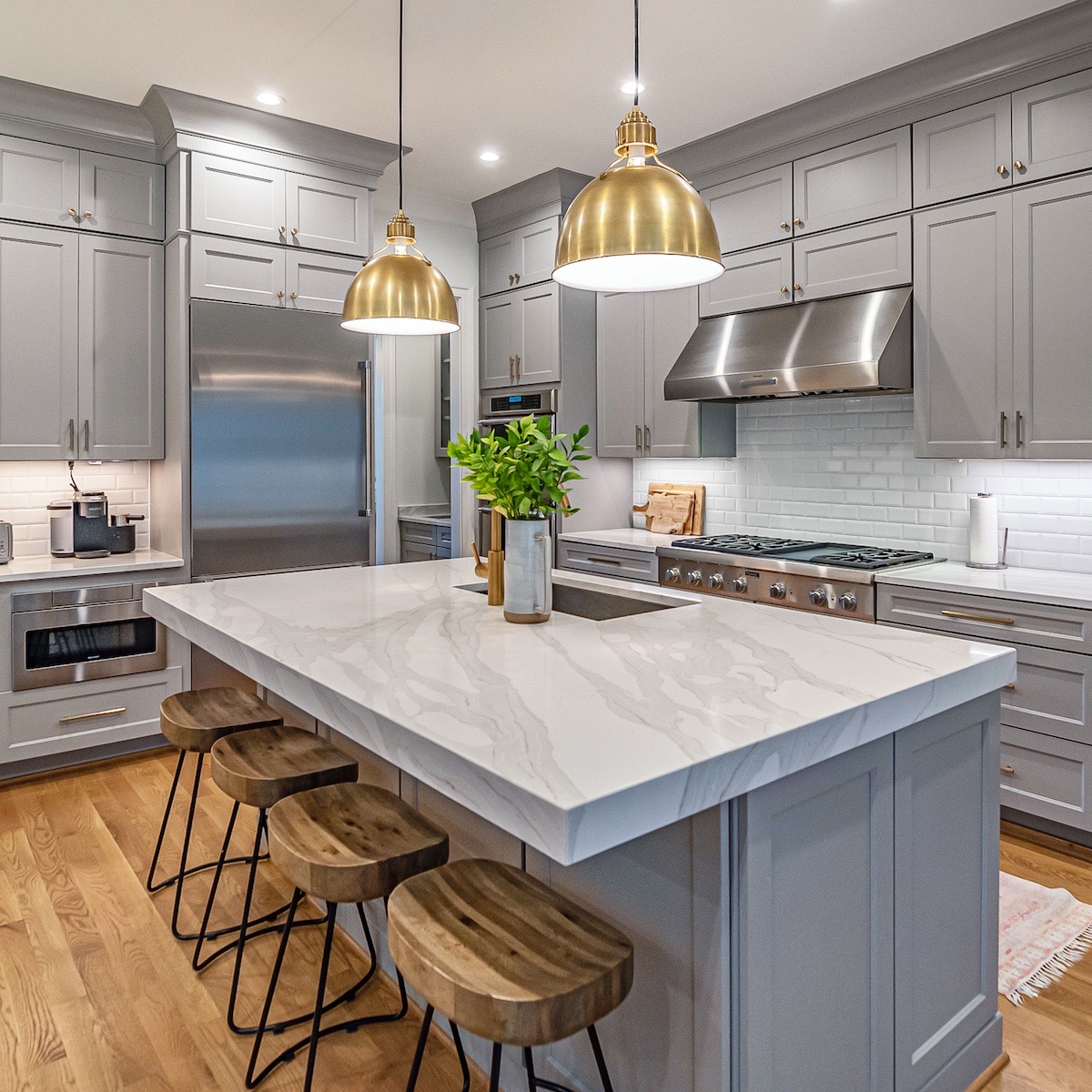
A premium interior does not always depend on expensive renovations. Often, it comes from how carefully you use space, balance proportions and present the features your home already has.
Whether you are preparing a property for sale or refreshing the rooms you live in, thoughtful furnishing and a few cosmetic changes can create a more refined appearance without altering the floor plan or committing to major building work.
Jump to:
Set the Tone With Well-Chosen Furniture
Furniture gives each room its strongest visual cues. An appropriately sized sofa, dining table or bed can make a space feel intentional, while mismatched proportions may make even a freshly painted room look unsettled.
Choose pieces with clean profiles and finishes that complement your flooring, walls and architectural details.
For a property going on the market, you can stage your home with designer furniture to establish a cohesive style without purchasing an entirely new setting.
Furniture hire also lets you choose pieces suited to the property's dimensions and character, rather than working around items that may not suit the space.
Create Space by Editing What You Display
A premium look benefits from breathing room. You don't need bare surfaces, but you do need enough clear space for the eye to appreciate key details.
Remove spare chairs, overcrowded shelving, and small accessories that compete with one another. Keep useful furniture in place and give it a clear purpose.
Consider what you want visitors to notice first. In a living room, that might be the natural light or a generous seating area; in a bedroom, the bed and its surrounding space.
Visual hierarchy, the order in which people notice elements, becomes easier to control when every visible object earns its place.
Use Colour and Texture to Make Rooms Feel Cohesive
Consistency can make a home feel more polished without making every room identical. Start with two or three compatible colours, then repeat them through cushions, rugs, throws or artwork.
Existing materials should guide your choices: warm timber usually sits comfortably with earthy tones, while cooler stone finishes may suit softer greys and muted neutrals.
Texture adds depth where colour is restrained. Linen, bouclé, wool and timber create subtle contrast and keep an otherwise simple room from looking flat.
You can introduce these through removable furnishings, making the approach practical for rented properties or homes being prepared for sale.
Adjust Layout and Lighting Before Spending More
Even attractive furniture can undermine a room when circulation is awkward. Check whether you can walk easily between entrances, seating and storage.
Position larger items so they define a useful area without blocking windows or interrupting sightlines. A rug can help anchor a seating group, provided it is large enough to connect the main pieces visually.
Lighting deserves the same attention. Keep windows open during the day and use layered lighting after dark instead of relying on a single ceiling fixture.
Ambient lighting provides overall brightness, while task lighting supports activities such as reading. Carefully placed lamps can also draw attention to appealing corners and architectural features.
Finish With Fewer, More Deliberate Details
Accessories work best when they reinforce the room rather than fill gaps.
A large framed artwork may give a wall more presence than several unrelated prints.
Similarly, one well-proportioned vase on a dining table can look more considered than a collection of smaller ornaments.
Pay attention to condition as well as style. Clean windows, straight curtains, repaired handles and tidy grout improve the impression of care.
These details may be inexpensive, but they matter because an otherwise polished setting can lose its impact when obvious maintenance issues remain.




Let Your Home's Strengths Lead the Result
Creating a premium look does not require you to disguise your home's character.
The strongest result comes from selecting furniture that fits, removing visual distractions, connecting rooms through colour and making better use of natural and artificial light.
Concentrate on the changes people will notice and experience, and you can present a more sophisticated home without redesigning what already works.




Leave a Reply