

Choosing a rug sounds simple until you start thinking about size, placement, material, and how the room is actually used.
The right rug can make a space feel more finished and comfortable, while the wrong one can make furniture feel disconnected or leave you constantly worrying about stains and wear.
For busy family homes, the best choice is usually one that looks good but also works with everyday life. Here are a few things to consider before buying.
Jump to:
1. Start With the Room
Think about the room first rather than choosing a rug based only on its appearance.
A living room, bedroom, dining area, entryway, or playroom will have different needs. Consider how much floor space you want to cover, where the main furniture sits, and how people move through the room.
Kids' rooms and family spaces may also need a little more flexibility. Leave enough open floor space for playing and make sure the rug works around the furniture and other activities in the room.
2. Choose the Right Rug Size
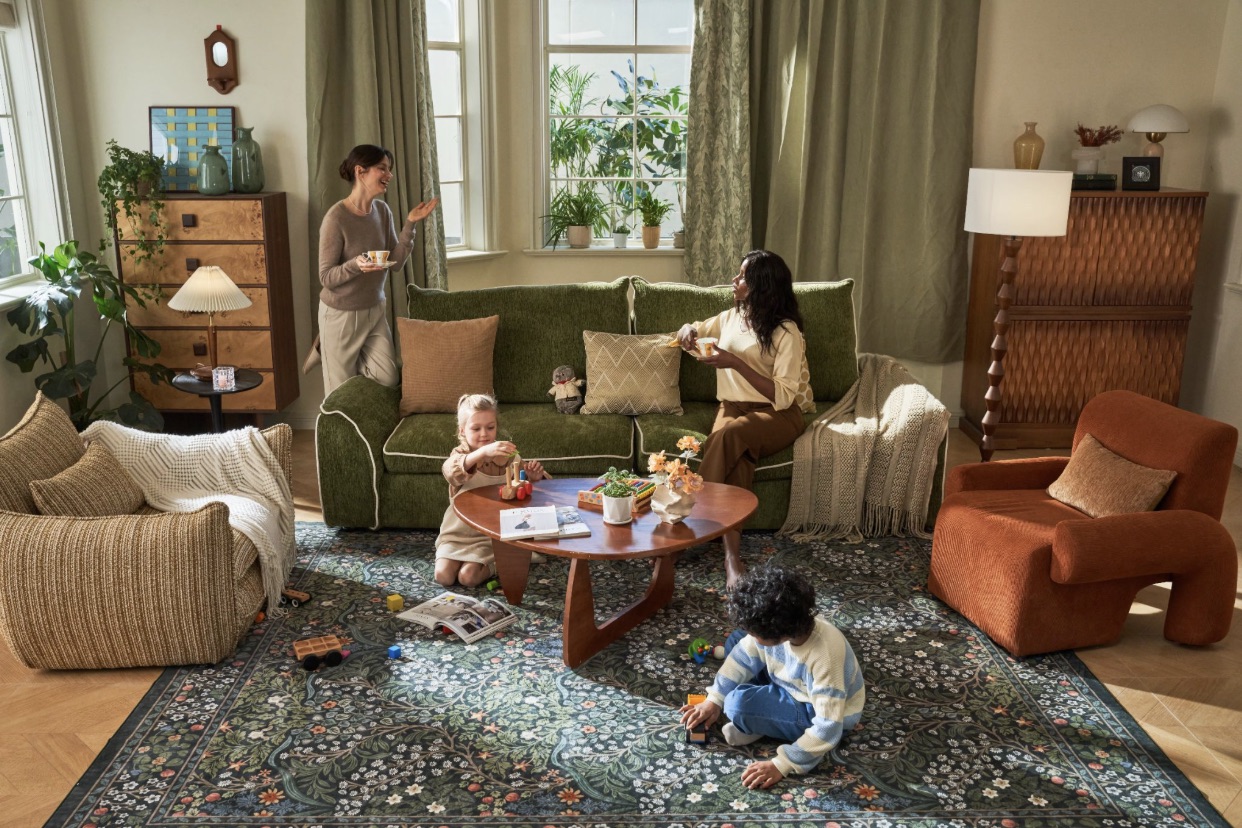
Rug size can change the entire feel of a room. A rug that is too small may look disconnected from the furniture, while one that is too large can make the space feel crowded.
For a living room, try to have at least the front legs of the main seating pieces sitting on the rug. In a bedroom, the rug should extend beyond the bed enough to create a comfortable landing area.
If you're considering a versatile size for a living room, bedroom, or larger seating area, 6 x 9 rugs can be a practical option. Before buying, measure the area and mark the intended rug size on the floor with painter's tape. It makes it much easier to see how the proportions will work.
3. Think About Where the Rug Will Sit
Placement matters almost as much as size.
In dining areas, make sure the rug extends far enough beyond the table that chairs remain on the rug when pulled out. In entryways and hallways, choose a size that leaves enough space around the edges without making the walkway feel cramped.
For family rooms and playrooms, think about where people actually spend time. A rug should help define the space without getting in the way of everyday movement.
4. Match the Rug to Your Lifestyle
A beautiful rug still needs to fit the way your home is used.
High-traffic areas such as entryways, kitchens, and family rooms tend to see more dirt, spills, crumbs, and everyday wear. Homes with children or pets may need something that is easier to clean and comfortable enough for regular use.
If maintenance is a concern, washable area rugs can make sense for spaces where messes are simply part of daily life. The goal is not to choose the most delicate option, but one you can comfortably live with.
5. Consider Cleaning and Maintenance
Before choosing a rug, check how it needs to be cleaned and cared for.
Think about what is realistic for your routine. A rug in a quiet bedroom may not need the same level of maintenance as one underneath a dining table or in a busy family room.
It's also worth considering how easily the rug can be moved for cleaning and whether its construction is suitable for your household. A practical rug is one you can enjoy without constantly worrying about keeping it perfect.
6. Find a Style That Fits Your Home
Once you've worked out the practical details, think about color and pattern.
Look at the colors already present in the room, including your furniture, curtains, walls, and smaller decorative pieces. A rug can either quietly bring these elements together or become a stronger focal point.
Floral, vintage, neutral, geometric, and other patterns can all work well depending on the overall style of the room. Instead of following a trend simply because it is popular, choose something that feels natural with what you already own.
7. Check the Pile Height
Pile height affects both appearance and everyday comfort.
A lower-pile rug can be easier to clean and works well in areas where doors, chairs, or frequent foot traffic are concerns. A softer, higher-pile style can feel more comfortable in bedrooms or relaxed living spaces.
Think about what happens around the rug every day. If furniture needs to move across it or a door opens directly over it, a lower profile may be more practical.
8. Measure Before You Buy
Before placing an order, measure the room and the furniture around it one more time.
Check the length, width, door clearance, and where the rug will sit in relation to your main furniture. If possible, use painter's tape to outline the rug on the floor. Seeing the shape in the actual room can reveal problems that are easy to miss when looking at measurements alone.
The right rug does not necessarily have to be the biggest, most expensive, or most fashionable option. It simply needs to work with the space, the furniture, and the way you live.






Leave a Reply