

Machines do not usually fail all at once. They slow down first, make a different sound, run a little hotter than yesterday, and someone on the floor notices but keeps going because the shift is not over yet.
People who have been around equipment for years tend to trust those signals more than dashboards.
There is a rhythm to machines when they are healthy, and once you have heard it long enough, even a slight change feels off.
The work of keeping industrial equipment running is not dramatic. It is steady, repetitive, and often invisible unless something goes wrong.
Jump to:
The Quiet Work No One Talks About
Most of the real work hides in tasks that feel too basic to worry about, so they get missed. Lubrication, filters, belt checks, simple cleaning. Nothing complicated, but skip them long enough and things start drifting.
Dust settles where no one looks, heat lingers, parts wear quicker than expected. It is almost never one clear failure. It builds quietly.
Operators adjust and keep going. A small delay here, a slight vibration there, it becomes normal.
By the time maintenance looks into it, the trail is messy. No one agrees on when it started, and the details never line up clean.
Sourcing the Right Parts Before Things Break
There is also the less visible side of keeping equipment running, which is how parts are sourced and tracked before they are urgently needed.
Spare parts management sounds like a warehouse problem, but it reaches into daily operations more than most people expect.
If a component fails and a replacement is unavailable, the entire line can stop. That downtime costs more than the part ever did.
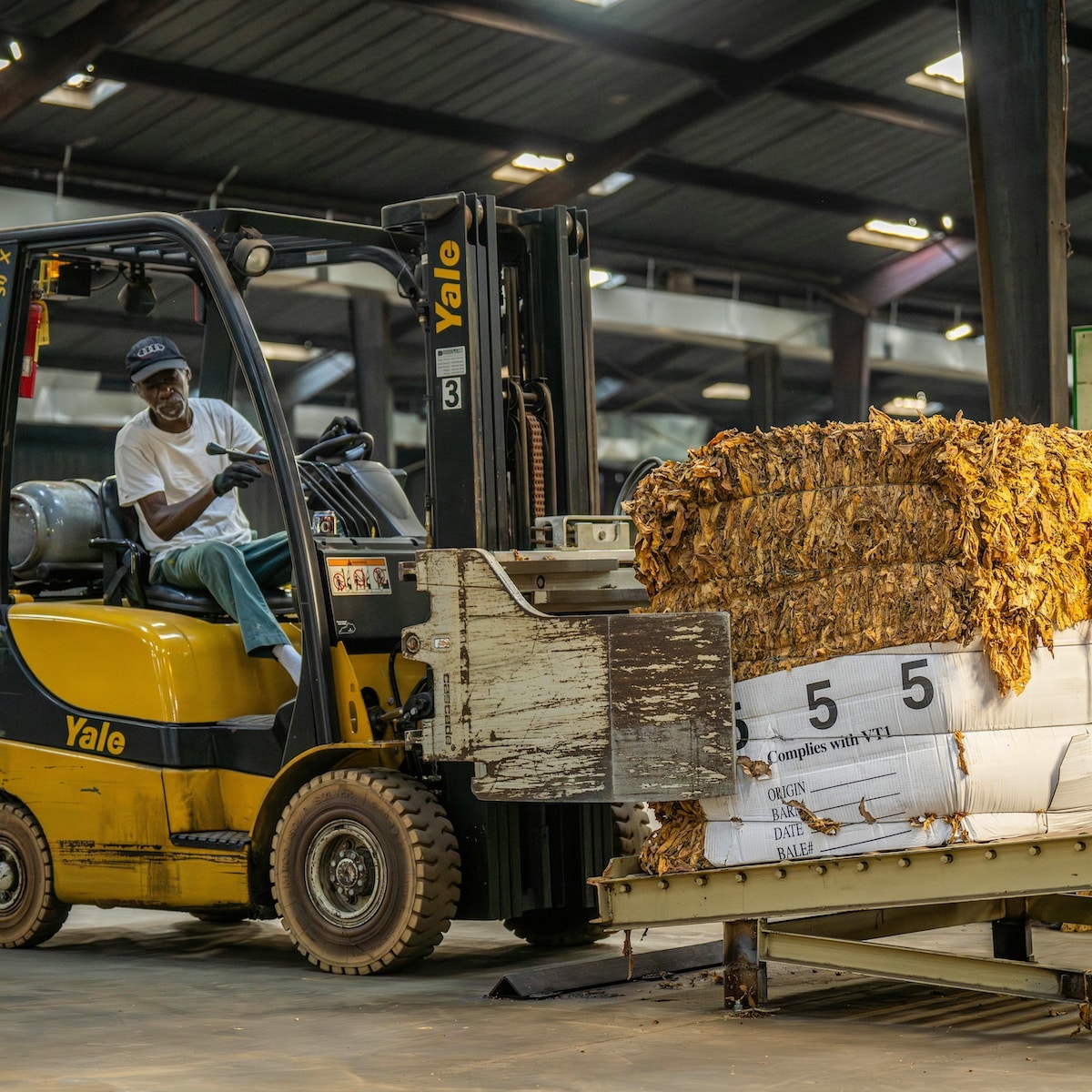
Reliable suppliers like Intella Parts provide the highest-quality parts, ensuring essential equipment, such as forklifts, remains up and running efficiently at all times.
This aerial lift parts supplier has a wide selection of components. No matter what part you need, you’re sure to find it here.
Consistency in parts supply reduces one layer of uncertainty, which is usually enough to make planning feel manageable.
Maintenance Is More Routine Than Repair
People often picture maintenance as fixing something that is broken, but most of the time, it is about preventing that moment from happening at all. Preventive maintenance schedules are built around expected wear.
Parts are replaced before they fail, even if they still look fine. It can feel wasteful, especially when budgets are tight, but the alternative is worse.
There is also predictive maintenance now, which relies on sensors and data. Machines can report temperature changes, vibration levels, and operating cycles.
This data gets analyzed, sometimes by software, sometimes by experienced technicians who have seen patterns repeat over the years. It helps, but it does not replace human judgment.
A sensor can tell you something is off, but it does not always tell you why.
And sometimes the data comes too late. A sudden failure can still happen, even in a well-monitored system. That is when the team has to react quickly, pulling from whatever knowledge and resources they have built up over time.
The Role of People Who Stay in the Background
It is easy to focus on the machines and forget the people who keep them running.
Maintenance crews, operators, supervisors, and even the person who orders parts. Their work overlaps in ways that are not always documented. A small decision in one area can affect another.
Communication is often informal. A quick note, a short conversation during a shift change, a habit passed from one worker to another.
These do not show up in official systems, but they carry a lot of weight. When that communication breaks down, problems take longer to surface.
There is also a kind of intuition that develops over time. It is not always easy to explain. Someone might say a machine does not sound right, and they cannot point to a specific metric, but they are often correct.
That kind of experience is hard to replace, especially when teams change or people leave.
Environment Matters More Than It Seems
Industrial equipment does not operate in a vacuum. The environment around it plays a big role in how it performs and how long it lasts.
Temperature swings, humidity, dust, and even the layout of the workspace can affect performance.
For example, a machine that runs well in a clean, controlled setting might struggle in a dusty or humid one.
Filters clog faster. Cooling systems work harder. Electrical components can degrade more quickly.
These are not dramatic changes, but over time they add up. Adjustments are often made on the fly. Extra cleaning, more frequent inspections, and slight changes in operation.
These are practical responses, not always part of a formal plan. Still, they help extend the life of the equipment.
When Things Finally Go Wrong
Even with all the planning and routine work, failures still happen. When they do, the response is usually a mix of urgency and method.
Teams try to diagnose the issue quickly, but they also need to be careful. Rushing can lead to more mistakes.
The first step is often to isolate the problem. Which component failed, and what else might be affected?
Then comes the question of why it failed. Was it wear, misuse, a missed maintenance step, or something external? The answer is not always clear, but it matters for preventing the next failure.
Repairs can be straightforward or complicated. Sometimes a part is replaced, and the machine is back up in hours.
Other times, the issue reveals deeper problems that require more time and coordination. Production schedules get adjusted. People work longer shifts. It is not ideal, but it is part of the reality.
- Parents Are Prioritising Breathable, Sustainable Fabrics For Children's Seasonal Sleepwear
- Our Homemade Christmas Printables, Made With AI: What Worked, What Didn't, and What I'm Saving for Next Year
- At-Home vs. In-Lounge IV Therapy in the Hudson Valley: Which Makes More Sense?
- Can Passengers Pursue Compensation After a Car Accident?




In the end, what keeps industrial equipment working smoothly is not one thing.
It is a mix of routine care, careful observation, timely decisions, and a bit of experience that cannot be fully documented.
Most of this work happens quietly. Machines run, products move, and the day goes on without much notice.
It is only when something stops that people start to look closer. By then, the earlier signs often seem obvious in hindsight.





Leave a Reply