

Winter brings plenty of opportunities for children to get outside, explore, and burn off some energy. Snowy gardens, frosty walks, muddy parks, and cold playgrounds can all become part of everyday family life.
The challenge for parents is keeping children warm without dressing them in so many heavy layers that they can't move easily.
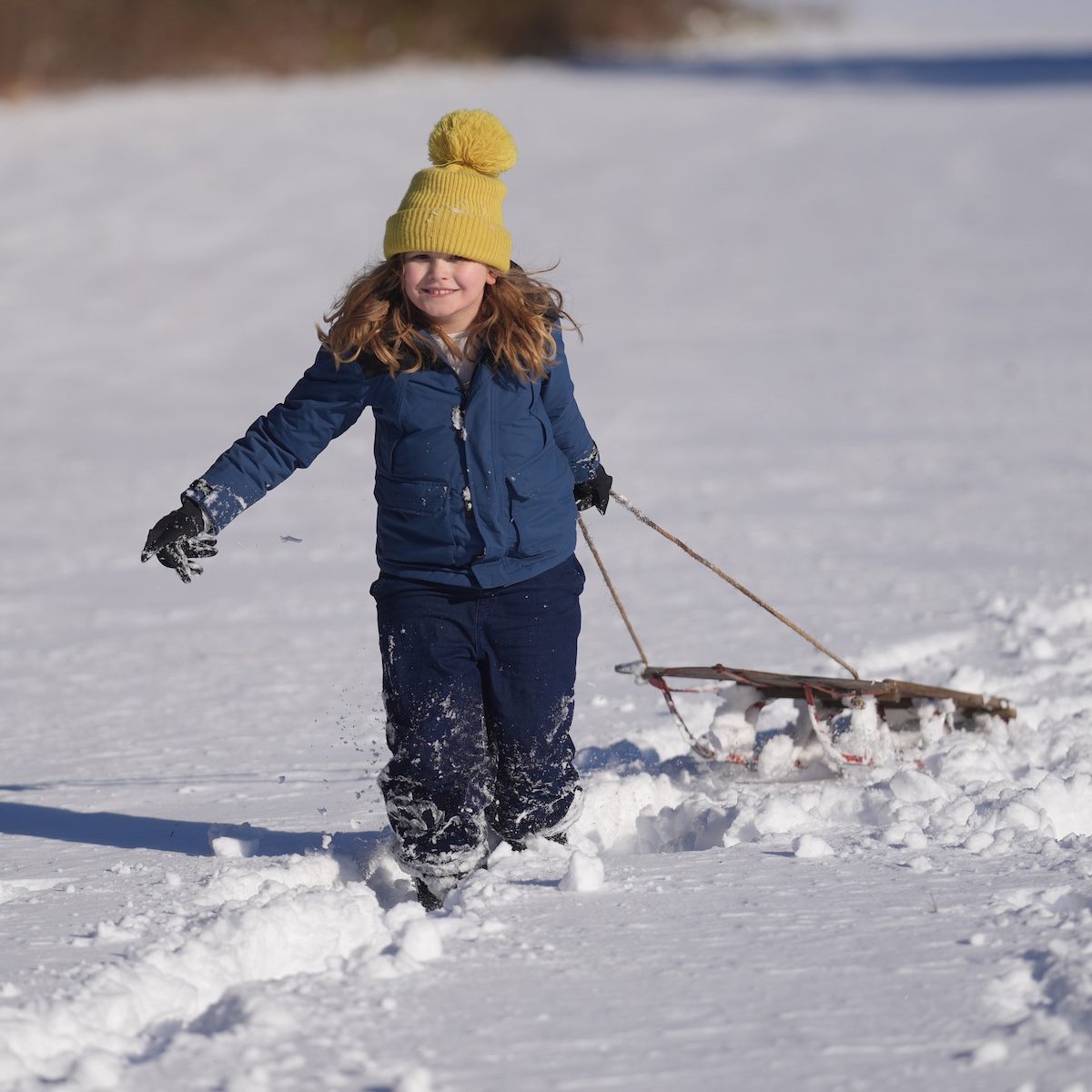
Children rarely stand still outdoors. They run, climb, jump, crouch down, build snowmen, and somehow manage to find the wettest patch of ground available. Their winter clothing therefore needs to do more than simply provide warmth.
It needs to work with them. A practical winter wardrobe balances insulation, weather protection, comfort, and freedom of movement.
Jump to:
- Start With Layers Rather Than Bulk
- Remember That Active Kids Create Heat
- Choose an Outer Layer That Supports Movement
- Avoid Buying Too Large
- Think About Wet Weather, Not Just Snow
- Pay Attention to Small Details
- Do Not Forget Hands, Feet, and Head
- Encourage Children to Take Part
- Check the Fit Again Halfway Through Winter
- Have a Plan for Wet Clothing
- Comfort Makes Outdoor Play More Enjoyable
Start With Layers Rather Than Bulk
One of the easiest ways to keep children comfortable during winter is to think in layers. Instead of relying on one extremely thick garment, several lighter layers let parents adjust clothing to the weather and the child's activity level.
A simple winter outfit might begin with a comfortable base layer next to the skin. A long-sleeved top and leggings can work well in colder conditions, while a lighter top may be enough on milder days.
The next layer provides additional warmth. This might be a jumper, fleece, sweatshirt, or cardigan.
Finally, the outer layer protects the child from wind, rain, or snow. The advantage of this system is flexibility. A child who warms up after running around can remove a layer. If temperatures fall later in the day, the extra layer can go back on.
Remember That Active Kids Create Heat
Adults sometimes assume children feel cold simply because the temperature is low. But children who are running around can generate plenty of body heat. Overdressing can therefore become uncomfortable.
A child wearing several thick layers while climbing, running, and playing may quickly become hot and sweaty. Once those clothes become damp, the child may actually feel colder when activity slows down.
The best approach is to consider both the weather and what the child will be doing. A toddler sitting in a pushchair needs different clothing from a five-year-old spending an hour racing around a playground. There is no single winter outfit that works for every situation.
Choose an Outer Layer That Supports Movement
Winter outerwear is where parents often face the biggest decision. Should children wear a coat and separate winter trousers, or is an all-in-one snowsuit more practical?
For younger children, a snowsuit can be particularly convenient. Because the upper and lower parts are connected, the coat is less likely to ride up and expose the child's back while they climb or play.
It can also help keep snow and cold air away from the body. Separate jackets and trousers provide more flexibility, especially for older children who may want to remove one piece without changing their entire outfit.
Whichever option you choose, movement should be a top priority. A child should be able to raise their arms, bend their knees, crouch down, and walk comfortably.
Avoid Buying Too Large
Children grow quickly, so it is understandable that parents want winter clothing to last. Buying slightly larger can make sense, particularly at the beginning of a long season. However, buying significantly oversized outerwear can create its own problems.
Very long sleeves may cover the hands, trouser legs can bunch around boots, and too much extra fabric can make running and climbing more difficult.
The right size should allow room to grow while still fitting properly on the child's body.
When trying on a winter coat or snowsuit, ask the child to move rather than simply stand in front of a mirror. Let them lift their arms, squat, walk around, and pretend to climb. That will usually tell you much more about the fit.
Think About Wet Weather, Not Just Snow
Winter weather is often pictured as dry snow and blue skies. Reality usually involves more rain, slush, puddles, and wet grass. For children who spend plenty of time outdoors, protection from moisture can therefore be just as important as insulation.
Outerwear should suit the conditions children are most likely to experience. This is particularly important for families living in areas where winter temperatures fluctuate frequently around freezing.
A morning might begin with frost and end with rain. When comparing winter clothing from brands such as Name It, look beyond colour and style and consider how the clothing will actually be used.
Will it mainly be worn on the school run? For hours of outdoor play? For a skiing holiday? Or simply for occasional snowy days? The answer should influence what you choose.
Pay Attention to Small Details
Some of the most useful features of children's winter clothing are easy to overlook while shopping. Cuffs around the wrists, for example, can help keep cold air out of sleeves.
Foot straps on snowsuits or winter trousers can help keep trouser legs in place over boots. A well-fitting hood can be helpful when wind or snow suddenly picks up.
Pockets are useful too, although parents should probably accept that they will eventually contain sticks, stones, leaves, and objects of mysterious origin.
Zips should also be easy enough to operate. For younger children learning to dress themselves, a simple zip can encourage independence.
Do Not Forget Hands, Feet, and Head
A warm coat or snowsuit is only one part of winter dressing. Cold hands can quickly make outdoor play miserable. Mittens are often easier for younger children to put on and may help keep fingers together and warm. Older children may prefer gloves because they provide more dexterity.
Warm socks and suitable footwear are equally important. Wet feet can bring an outdoor adventure to an early end, so boots should be appropriate for the weather.
A comfortable hat can provide additional warmth, particularly on cold or windy days. The aim is not to wrap every child from head to toe in the thickest possible clothing. It is simply to make sure no single part of the outfit lets the whole system down.
Encourage Children to Take Part
Children often develop strong clothing preferences surprisingly early. One child might love bold colours while another only wants dark blue. A favourite pattern or colour can make a practical winter piece much more appealing.
Allowing children some influence over what they wear may also reduce arguments when it is time to get dressed.
Parents can choose several suitable options based on size, functionality, and budget, then let the child make the final choice. That way, adults keep control of the practical requirements while children still feel involved.
Check the Fit Again Halfway Through Winter
Winter clothing that fits perfectly in October may not fit quite as well by February. Children can grow noticeably over just a few months.
It is worth checking the fit periodically rather than assuming a garment will last the entire season. Check sleeve and leg length, and see whether the child still has enough room to move comfortably.
If the clothing feels tight when the child crouches or raises their arms, it may be time to move up a size. Regular checks also give parents a chance to inspect zips, foot straps, seams, and other high-wear areas.
Have a Plan for Wet Clothing
Anyone with young children knows winter clothing doesn't always stay dry. Snow melts. Puddles are irresistible. Gloves get dropped. Mud appears from nowhere. Having a simple drying routine at home makes everyday winter life much easier.
Create a designated area for wet boots, coats, gloves, and snowsuits rather than spreading them throughout the house.
If children need the same outerwear again the following morning, allow enough time for it to dry.
A second pair of gloves can also be surprisingly useful. They are small enough to keep as spares but can save the day when the first pair is still damp.
Comfort Makes Outdoor Play More Enjoyable
Winter clothing isn't meant to keep children looking perfectly neat. It is to help them stay comfortable enough to enjoy being outside.
Children should be able to build, explore, climb, run, and play without constantly adjusting their clothes or feeling restricted.




That does not require the biggest wardrobe or the most complicated equipment. A few thoughtfully chosen layers, suitable outerwear, warm accessories, and proper footwear are usually enough.
The best winter clothes are ultimately the ones children can forget they are wearing. If they can spend an afternoon outside focused on snowballs, puddles, playgrounds, and whatever adventure they have invented next, then the clothing is doing exactly what it should.




Leave a Reply