

Windows are one of those things you do not think about until they start to annoy you.
A draught by the sofa, condensation running down the glass every winter morning, a frame that sticks or a room that always feels a little gloomy.
When the time comes to replace them, the choice can feel overwhelming, with different materials, glazing types, colours and styles to weigh up.
For a family home, it helps to boil it down to three questions. How much light do you want?
How much time do you want to spend looking after the frames? And how warm and comfortable do you want the house to be? Here is how to think through each one.
Jump to:
Let The Light In
Natural light makes a home feel bigger, brighter and happier. It is especially lovely in the rooms where family life happens, such as the kitchen, the living room, and anywhere children play or do their homework.
A few things affect how much light a window gives you:
- Frame thickness. Slimmer frames mean more glass and more light. This is worth comparing between materials, as some need chunkier sections than others.
- Glazing bars. Bars that divide the glass into smaller panes can suit an older house, but they do reduce the amount of light coming in.
- Opening style. Casement, sash, tilt-and-turn, and fixed panes all look different. Fixed panes let in the most light for their size, but you still need enough opening windows for fresh air.
- Which way the room faces. A north-facing room benefits from the largest glass area you can manage. A south-facing room may need thought about glare and summer heat.
If you are changing the size of an opening, rather than simply replacing a window like for like, talk to a builder or surveyor first, as it can affect the wall's structure.
Think About Upkeep
This is where the choice of frame material really counts. Each has its own character and its own care needs.
uPVC is the most common choice in the UK. It is usually the most affordable, needs little care beyond a wipe-down, and works well in many homes. Some people find the frames bulkier and less attractive than other options, and colour choices can be more limited.
Timber is beautiful, warm to the touch and suits period homes particularly well. Modern timber windows can be very durable, but the outside will need repainting or restaining from time to time to keep the weather out.
Aluminium is strong, slim and long lasting, with a sleek modern look. The outside needs very little maintenance.
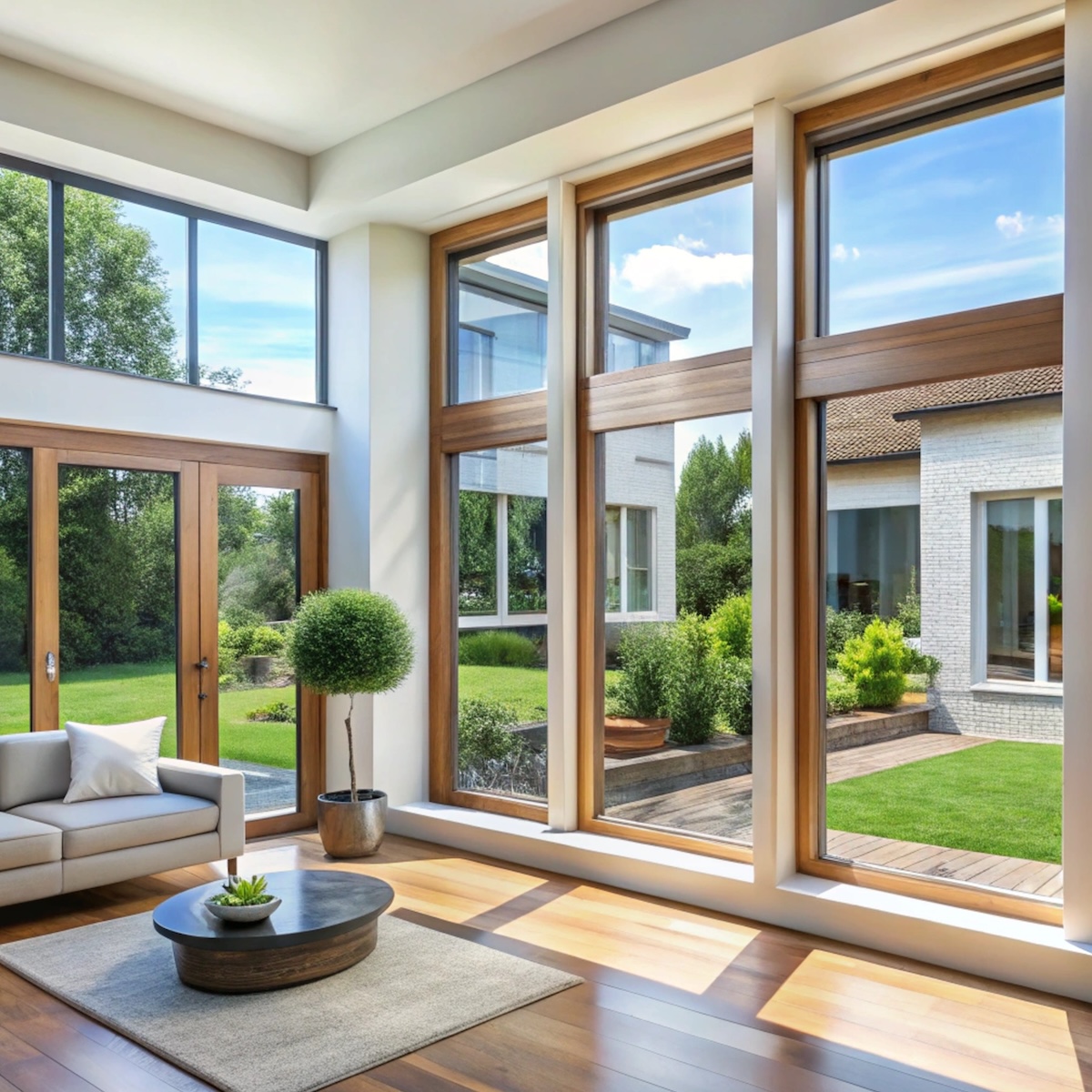
Aluclad combines the two. The frame is timber on the inside, so you get the warmth and look of wood in your rooms, while an aluminium shell protects the outside from rain, sun and frost.
For a busy family who love the feel of wood indoors but have no wish to spend summer weekends up a ladder with a paintbrush, aluclad windows are worth a close look.
The aluminium outer face keeps its finish with little more than an occasional clean, and the timber inside can be painted or stained to suit your rooms.
Whichever you choose, ask how long the finish is expected to last, what the guarantee covers and what the manufacturer recommends for cleaning and care.
Keep The Warmth In
Old, poorly fitted windows are a common cause of draughts and heat loss. Modern double glazing is now the standard, and triple glazing is an option for those who want even better insulation or live somewhere especially exposed or noisy.
Glass is only part of the picture. The frame, the seals and, above all, the installation make a big difference to how warm a room feels. Gaps around the frame or poorly sealed joints can undo the benefit of the best glass.
When comparing quotes, ask about the energy performance of the whole window, not just the glass. Installers should be able to give you figures for the windows they are offering and explain what they mean in plain words.
Better windows also help with condensation. Warmer glass is less likely to have water running down it on cold mornings, which means less mould on sills and fewer black spots in corners. Good ventilation still matters, so look for trickle vents or other ways to let air move through the room, especially in bedrooms and kitchens.
Make Them Safe For Children
In a family home, safety deserves its own place on the list.
- Window restrictors. These limit how far a window opens, so small children cannot climb out, while still allowing fresh air in. Many come with a release so adults can open the window fully when needed.
- Safety glass. Low level glazing and glass in or near doors should use safety glass, such as toughened or laminated glass. Your installer should know where building regulations require it.
- Locks and keys. Lockable handles add security, but make sure upstairs windows can still be opened quickly in an emergency. Keep keys close to the window, out of reach of small hands.
- Escape routes. Some upstairs rooms need a window large enough to escape through in a fire. Check this before you choose smaller windows for a bedroom.
Choosing The Installer
A great window badly fitted is a poor window. Take as much care choosing the installer as you do the product.
In England and Wales, replacement windows have to meet building regulations. The simplest route is to use an installer registered with a competent person scheme, who can certify the work for you.
Otherwise, you will need to involve your local council's building control team. Ask to see the paperwork when the job is finished, as you will want it if you ever sell the house.
If you live in a listed building or a conservation area, check with your council before you change the style or material of your windows, as permission may be needed.
Finally, get more than one quote, ask to see examples of finished work and find out exactly what is included, such as removing the old frames, making good the walls and clearing away afterwards.




Bringing It Together
The right windows for your family come down to a balance of light, warmth and upkeep, with safety woven through all three.
Decide what matters most to you, compare materials honestly and choose an installer you trust.
Get those choices right, and your new windows will make every room brighter, cosier and easier to live in for many years to come.





Leave a Reply