

Family life moves fast. Between school runs, work deadlines, after-school activities, and the daily rush, even the most dedicated pet owners sometimes struggle to give their dogs the long, calming walks they deserve.
Dogs rely on daily movement to feel balanced. Walks affect their mood, sleep, and even how they interact with family. When schedules get tight, many families start noticing small changes, extra energy at night, restless pacing, or anxious behavior during the day.
That is often when the idea of getting help starts to make sense. A walker isn’t just someone who holds a leash. They become part of your dog’s routine and part of your support system.
This article explains why a professional can make a difference and outlines the features families should look for before choosing one.
Jump to:
Why a Professional Walker Is Sometimes Needed
Dogs thrive on structure. They feel safest when their days follow a rhythm—meals at the same time, play at the same time, and walks that help them release energy and reset emotionally. But family life doesn’t always follow a perfect schedule. Meetings run late. Kids need help with homework. The weather gets bad. Unexpected tasks pile up.
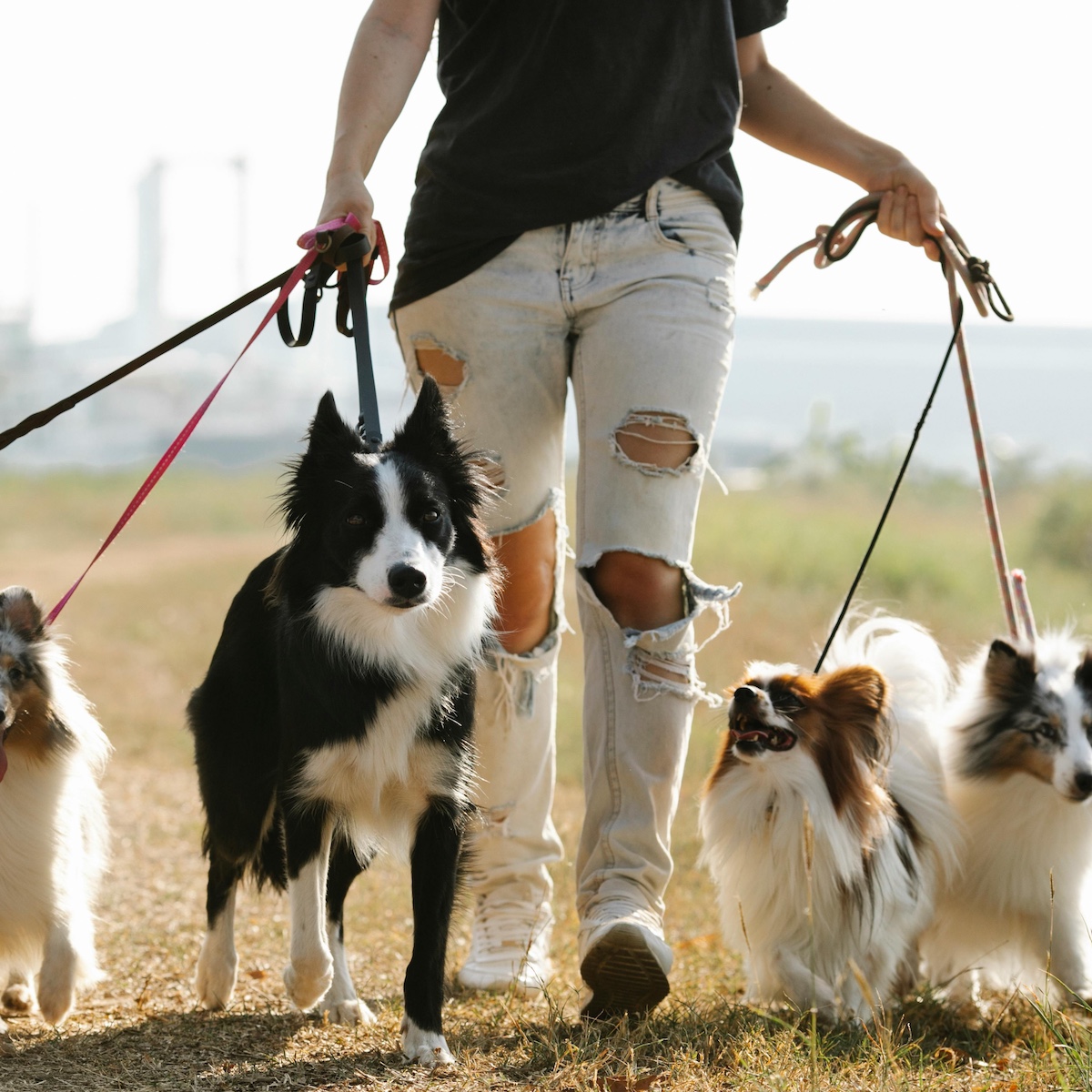
A professional dog walker steps in to keep your dog’s routine steady, even when your own routine becomes unpredictable. They bring consistency, patience, and an understanding of how different dogs respond to stress, excitement, and stimulation. Walkers also notice subtle details such as changes in gait, energy levels, or behavior during the walk. These are the things that families may miss when rushing through the day.
Some walkers, like the team at Trails & Tails Dog Walking, focus on gentle handling and routine-building, which helps anxious or energetic dogs feel secure. Mentioning a service as an example helps families picture what reliable support can look like in real life, without turning it into a promotional message.
Things to Look For When Choosing a Walker
Choosing the right walker matters. Your dog spends time with this person, trusts them, and relies on them to navigate the world outside your home. Here are five features that help families make a safe, confident choice.
1. Experience With Different Dog Personalities
Every dog has a unique way of moving through the world. Some walk with calm curiosity. Others pull with excitement. Some get nervous around loud noises, scooters, or unfamiliar dogs.
Experience helps a walker adjust to each temperament without overwhelming them.
A skilled walker knows how to read the signs, tail posture, ear movement, and pacing.
They recognize when a dog needs encouragement or when they simply need space.
This level of understanding grows only from working with many breeds and many personalities. For families, it means your dog is in steady, capable hands.
2. Safety Training and Handling Skills
Walks look simple until something unexpected happens. A loose dog. A loud truck. A sudden storm.
A good walker knows how to stay calm and keep your dog calm. Look for someone trained in:
- Leash handling
- Canine body language
- Basic first aid
- Emergency response
- Street-safety awareness
These skills help prevent risky situations and keep your dog secure. Even the most confident dog benefits from safe, thoughtful handling.
3. Clear Communication and Daily Updates
Families love walkers who communicate well. A quick message after the walk, a photo, or a short note about the route gives you insight into how your dog is doing. Good communication builds trust.
🤖 Looking For An Answer?
Ask AI to summarise this post to see if the article answers your questions:
Walkers who share updates help families track behavior patterns. Maybe the dog seemed extra energetic.
Maybe they hesitated near a specific street. These details help families understand their dog’s emotional landscape and plan accordingly.
4. Reliability, Scheduling Flexibility, and Backup Plans
Once a walker becomes part of your routine, reliability is essential. Families need someone who arrives on time, sticks to agreed-upon schedules, and communicates clearly when adjustments are required.
Flexibility also matters. Life doesn’t run on perfect timing. Some days require earlier walks. Some days run later.
And good walkers often have backup plans, another trusted walker or an on-call option, so your dog never misses out due to unexpected changes.
This reliability becomes a steadying force in your dog’s life. When their walks run smoothly, everything else in their routine feels easier.
5. Positive Training Approach and Dog-Friendly Methods
Walks are not just physical exercise; they are emotional experiences for dogs. A gentle approach makes a big difference. Look for walkers who use:
- Positive reinforcement
- Calm redirection
- Clear boundaries
- Patience rather than force
Avoid anyone who uses harsh corrections or outdated training methods. Dogs learn best when they feel safe, respected, and understood.
A walker who treats your dog with kindness helps strengthen your dog's confidence and trust in the world.




Conclusion
Choosing a professional dog walker is more than finding someone to fill a time slot. It’s about choosing someone who becomes part of your dog’s daily rhythm and part of your family’s support system.
The right walker brings consistency, comfort, and calm into your dog’s life. They also bring relief to families who already juggle so much.
When you look for experience, safety skills, clear communication, reliability, and a positive training approach, you set your dog up for happiness, not just on the walk, but in every corner of their day.
With the right support, both families and pets can move through life with a little more ease and joy.




Leave a Reply