

Balancing Fun and Relaxation on Family Vacations shows how trips can be both memorable and stress-free. Family travel does not need to feel stressful or packed with endless activities that drain everyone’s energy.
Vacations are about connection and the way time is spent together shapes family bonds for years to come.
Choosing experiences that balance excitement with calm moments creates a natural rhythm during the trip.
When families slow down and enjoy a mix of fun and rest, the memories feel refreshing instead of exhausting.
A destination like Myrtle Beach shows how to attain this. Families can enjoy energetic activities and still make room for simple, restful times.
The city’s entertainment, open spaces, and dining options help plan a trip that is entertaining without being overwhelming.

Jump to:
- Shared Evening Experiences
- Prioritizing Downtime
- Incorporating Simple Joys
- Mixing Cultural Exploration with Leisure Moments
- Combining Structured Activities with Spontaneous Fun
- 🤖 Looking For An Answer?
- Making Simple Games Part of Waiting Times
- Recognizing When to Slow the Pace
- Keeping Meals Both Restful and Enjoyable
- Encouraging Screen-Free Entertainment
- Bringing Familiar Comforts from Home
Shared Evening Experiences
Evenings are often when families come together after a full day. Choosing entertainment that allows everyone to sit down, relax, and share in the same activity can be a highlight of the trip. Experiences like dinner shows turn mealtime into something more memorable. Instead of rushing through dinner, the family has a chance to enjoy food and entertainment at the same time, which feels less like an obligation and more like a celebration.
In Myrtle Beach, one of the most popular options is a pirate dinner show, specifically the Pirates Voyage Dinner & Show. Families get the chance to enjoy a meal while watching performers, stunts, and themed storytelling unfold on stage. This show gives parents and children a shared point of excitement they can talk about long after the night ends. Entertainment like this turns dinner into a family memory rather than just another stop on the schedule.
Prioritizing Downtime
It is easy to overload a trip with activities in the hope of making the most of every moment. While that may seem like a good idea, it often leaves families drained by the end of the day. Travel burnout happens when the schedule is so full that nobody has time to pause, relax, or simply enjoy the destination without rushing. Families benefit when downtime is included intentionally as part of the trip.
Downtime can look simple: spending an afternoon by the pool, having a slow morning before heading out, or just sitting together to talk without an agenda. Those pauses keep energy levels steady and reduce irritability, especially for children.
Incorporating Simple Joys
Some of the most enjoyable family travel moments don’t require big-ticket attractions. Walking along the beach, casual strolls through a park, or a picnic under a shaded tree can be just as rewarding as formal activities. Such experiences slow down the day, give families time to talk, and create a space for bonding. The setting may be new, but the activity feels familiar and comforting.
Families often find that children appreciate the simplicity of a picnic or a leisurely walk just as much as expensive outings. Packing snacks and enjoying the outdoors can spark conversations, laughter, and play.
Equipping the whole family with reliable luggage is a practical way to
ensure that day trips remain organized and stress-free. Get some
quality theft resistant backpacks that offer specialized security
features to keep personal belongings safe while exploring busy parks
or urban trails. Having these durable bags allows everyone to focus on
the scenery and shared activities without worrying about the safety of
their gear. This small investment in preparation often leads to a more
relaxed and enjoyable experience for parents and children alike.
Mixing Cultural Exploration with Leisure Moments
Exploring local culture adds depth to family trips, but it doesn’t have to be done in a way that feels rushed or overwhelming. A visit to a local museum, art gallery, or performance can be paired with moments of relaxation. This allows families to experience something meaningful without turning the day into a demanding schedule. Cultural exploration can be approached as a light addition rather than a heavy itinerary item.
For children, short and engaging cultural stops often work best. After exploring, families might spend time at a nearby park, café, or open-air spot to unwind.
Combining Structured Activities with Spontaneous Fun
Unexpected moments, like stopping for ice cream or taking a detour to watch street performers, often become the memories everyone talks about later. Structured activities give the trip direction, while unplanned fun keeps it lighthearted.
This approach helps families feel less pressured by their schedules. Instead of worrying about sticking to a rigid plan, they can enjoy surprises along the way.
🤖 Looking For An Answer?
Ask AI to summarise this post to see if the article answers your questions:
Making Simple Games Part of Waiting Times
Travel often involves waiting, whether for meals, rides, or transportation. These pauses can become frustrating for kids, but turning them into playful moments makes the time pass more smoothly. Simple games like “I Spy,” guessing games, or even storytelling can transform waiting into family fun.
Parents benefit as well because keeping children engaged reduces tension during downtime. It doesn’t take much preparation to make waiting enjoyable, and these small efforts keep the mood positive throughout the day.
Recognizing When to Slow the Pace
There are times when the best decision is to do less. Families often try to see as much as possible, but slowing down can actually improve the experience. Taking a lighter day in the middle of the trip gives everyone a chance to recharge, making the rest of the vacation more enjoyable.
Knowing when to pause helps keep kids from getting overtired and allows parents to enjoy the trip more fully.
Keeping Meals Both Restful and Enjoyable
Meals are an opportunity for families to pause and reconnect. Sitting down together allows everyone to share food while reflecting on the day’s experiences. Choosing restaurants with relaxed atmospheres helps keep mealtime stress-free, even when traveling with children.
When meals are treated as part of the trip rather than just refueling, they become part of the entertainment. Family dining creates conversations and laughter, adding to the sense of togetherness.
Encouraging Screen-Free Entertainment
While screens can keep kids occupied, too much reliance on them can reduce interaction. Encouraging screen-free entertainment such as drawing, card games, or shared stories creates stronger family connections. It also helps children stay engaged with their surroundings.
Such moments often feel more personal and memorable than quiet screen time. Parents and children interact more directly, which makes the trip feel like a shared experience rather than a collection of individual distractions.



Bringing Familiar Comforts from Home
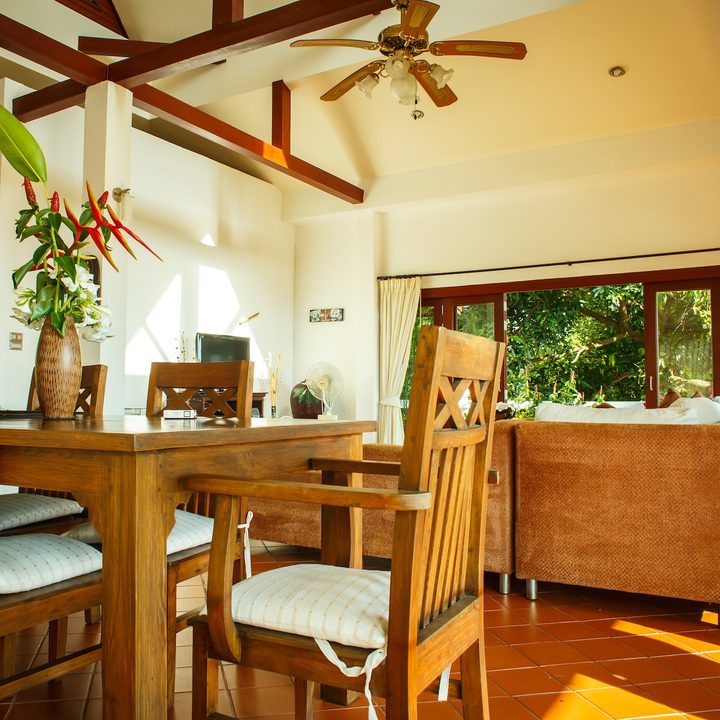
Travel can be exciting but also unfamiliar, which sometimes unsettles children. Bringing along small comforts such as a favorite toy, bedtime book, or blanket can make new places feel less intimidating.
Familiar items give children a sense of security during the trip.
For parents, this reduces stress because kids feel calmer and more at ease. When children are comfortable, the whole family can enjoy the journey more fully.
Simple touches from home can make travel smoother and more enjoyable for everyone.
Family travel doesn’t have to mean exhaustion or constant entertainment.
The most rewarding trips combine lively moments with opportunities to relax, creating experiences that feel balanced and enjoyable.
Shared evenings, simple outdoor activities, spontaneous fun, and thoughtful pauses all contribute to a trip that feels both entertaining and restful.




Leave a Reply