

For homeowners in Asheville, North Carolina, the changing mountain scenery offers plenty of reasons to spend more time enjoying the outdoors.
From colorful autumn foliage to bright spring mornings, the surrounding landscape can make an ordinary afternoon feel special.
Unfortunately, unpredictable rainfall, chilly winters, and humid summer days don't always cooperate with outdoor plans.
A thoughtfully designed sunroom offers a practical solution. It creates a comfortable connection between indoor living and the natural surroundings without requiring homeowners to sit outside in uncomfortable weather.
But building a successful sunroom involves more than installing large windows. Its orientation, insulation, flooring, furnishings, and intended purpose all influence whether the finished space becomes a favorite retreat or an expensive room that rarely gets used.
Jump to:
- Start With the Lifestyle You Want Your Sunroom to Support
- Choose the Right Location to Capture Natural Light
- Decide Whether Three-Season or Four-Season Living Makes Sense
- Make Temperature Control Part of the Original Design
- Select Flooring That Handles Sunlight and Everyday Activity
- Create Flexible Zones Without Crowding the Windows
- Plan for Construction Requirements and Long-Term Maintenance
- Turn the Finished Room Into a Daily Destination
Start With the Lifestyle You Want Your Sunroom to Support
Before selecting materials or requesting estimates, consider how you want to use the new space.
A sunroom designed for morning coffee may require different features than one intended for family gatherings, indoor gardening, or year-round relaxation.
If you want to learn more about sunrooms Asheville NC has experienced contractors who can help homeowners evaluate their options and understand how different designs fit existing properties.
During consultations, explain your priorities rather than focusing exclusively on appearance.
For example, a family planning to use the room throughout winter may need insulated glazing, efficient heating, and appropriate wall construction.
Someone seeking a seasonal retreat might prefer a simpler three-season enclosure.
Consider how many people will regularly occupy the space and whether furniture arrangements need to change for different activities.
Clear expectations at the beginning can prevent costly modifications after construction starts.
Choose the Right Location to Capture Natural Light
Sunroom placement affects everything from interior temperature to the quality of natural light.
A south-facing addition may receive substantial sunlight, which can be welcome during cooler months but uncomfortable without adequate shading in summer.
East-facing rooms often provide pleasant morning light, making them attractive for breakfast areas or reading spaces.
West-facing rooms may experience stronger afternoon heat and glare.
Before choosing a location, observe how sunlight moves around your property throughout the day.
Consider nearby trees, roof overhangs, neighboring buildings, and existing outdoor views.
Window placement should balance brightness with privacy.
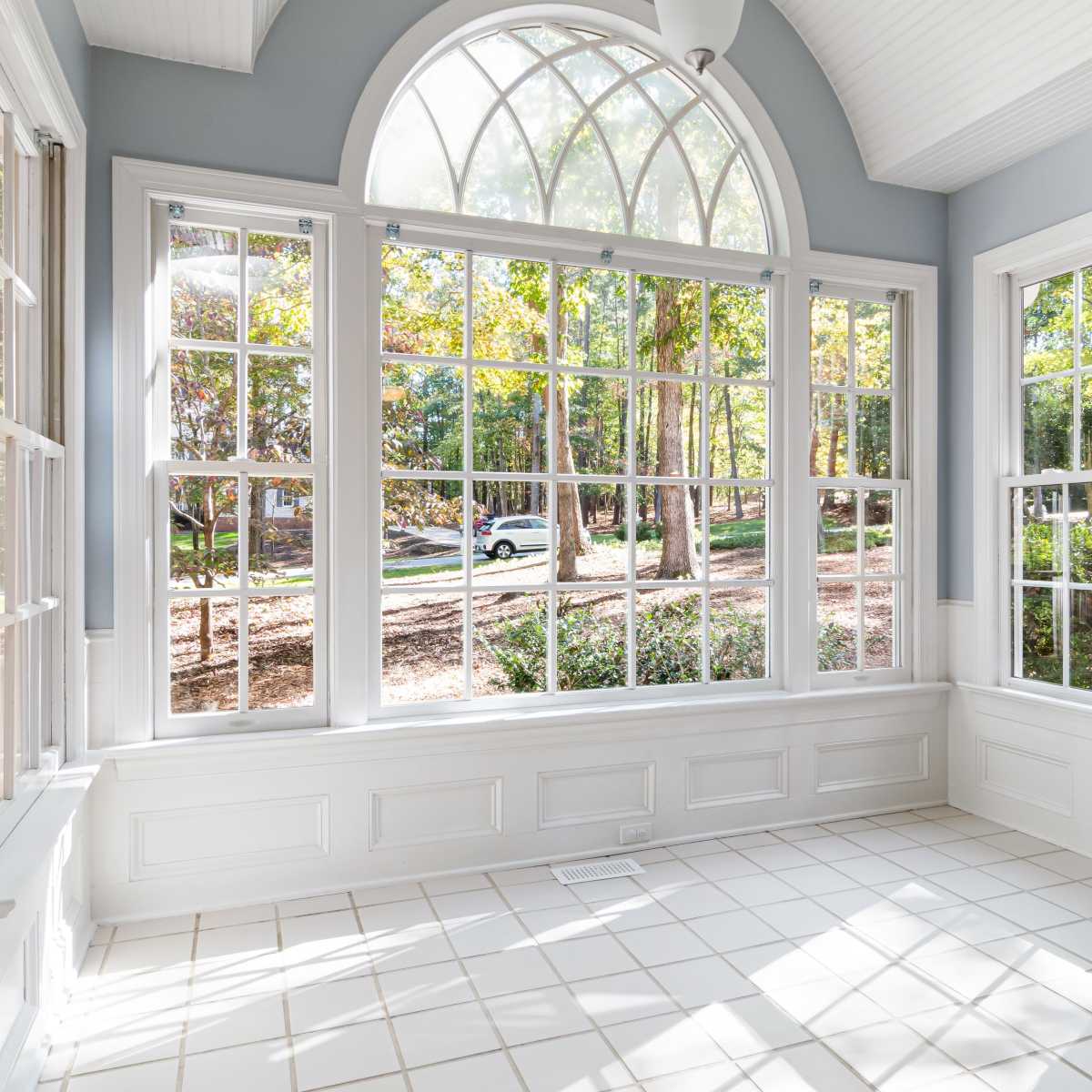
Large glass panels can create an inviting atmosphere, but strategic shading and thoughtful orientation make the room more comfortable.
A successful design captures the benefits of sunlight without allowing excessive heat or glare to dominate the space.
Decide Whether Three-Season or Four-Season Living Makes Sense
Not every sunroom needs to function like a conventional interior room.
Three-season sunrooms are generally designed for use during milder weather. They may provide protection from rain and insects without offering the insulation required for comfortable winter occupancy.
Four-season sunrooms typically incorporate more substantial insulation, energy-efficient windows, and suitable heating and cooling systems.
The difference affects construction complexity, operating costs, and the amount of time homeowners can comfortably use the space.
Think carefully about your daily habits.
If you enjoy sitting outside during spring and autumn but rarely use outdoor areas in winter, a seasonal enclosure may meet your needs.
However, a dedicated home office or family lounge may justify investing in year-round comfort.
Ask contractors how each design will perform during temperature extremes rather than relying on labels alone.
Make Temperature Control Part of the Original Design
Glass creates beautiful views, but it also influences heat gain and heat loss.
Without proper planning, a sunroom can become uncomfortably warm during summer afternoons and difficult to heat during winter.
Energy-efficient glazing, insulated framing, and appropriate roof construction can improve temperature stability.
Ceiling fans may help circulate air, while blinds or shades can reduce unwanted solar heat.
For year-round spaces, discuss heating and cooling requirements with qualified professionals.
Extending an existing HVAC system isn't always the best solution, particularly if the equipment lacks sufficient capacity.
A separate heating and cooling unit may be worth evaluating.
Ventilation matters too, especially in rooms containing numerous plants.
Addressing comfort during the design stage is usually easier than correcting temperature problems after the addition is completed.
Select Flooring That Handles Sunlight and Everyday Activity
Sunroom flooring must withstand conditions that may differ from those in other parts of the house.
Direct sunlight can cause some materials to fade, while temperature fluctuations and moisture exposure may affect durability.
Porcelain tile is a practical option for many sunrooms because it resists moisture and is relatively easy to maintain.
Certain luxury vinyl products may also work well when approved for the room's temperature and sunlight conditions.
Engineered wood can provide warmth and visual continuity, but its suitability depends on environmental controls and manufacturer requirements.
Consider how the room will be used.
A gardening space needs surfaces that tolerate occasional water spills, while a family lounge benefits from flooring that feels comfortable underfoot.
Choose materials based on performance, maintenance, and appearance rather than style alone.
Create Flexible Zones Without Crowding the Windows
One of a sunroom's greatest advantages is its ability to support several activities within a relatively small footprint.
A comfortable chair beside a window can establish a reading corner, while a compact table creates space for meals, games, or hobbies.
Avoid placing oversized furniture against every glass wall.
Preserving open sightlines helps the room feel connected to the outdoors.
Lightweight seating and movable tables allow homeowners to rearrange the space when entertaining guests.
Storage benches can provide seating while concealing blankets, books, and other everyday items.
If you enjoy indoor plants, group them according to their light and watering requirements rather than placing every pot in direct sunlight.
Thoughtful zoning makes the room adaptable without sacrificing its open, airy character.
Plan for Construction Requirements and Long-Term Maintenance
A sunroom addition changes more than the appearance of a home.
Depending on its design, the project may require foundation work, structural modifications, electrical installation, and building permits.
Local zoning rules, property setbacks, and applicable construction codes should be reviewed before work begins.
Ask contractors to explain how the addition will connect to the existing roof and walls.
Proper flashing, drainage, and weatherproofing are essential for preventing water intrusion.
Maintenance should also influence material choices.
Consider how easily windows can be cleaned, whether screens are replaceable, and what upkeep exterior finishes require.
Request detailed written estimates that identify materials, labor, timelines, and exclusions.
A well-built sunroom should remain attractive and functional long after the initial excitement of construction fades.
Turn the Finished Room Into a Daily Destination
Once construction is complete, the final challenge is making the sunroom part of everyday life.
Rather than treating it as a special-occasion space, establish simple routines that encourage regular use.
Enjoy breakfast there, create a quiet reading ritual, or use the room for afternoon conversations.
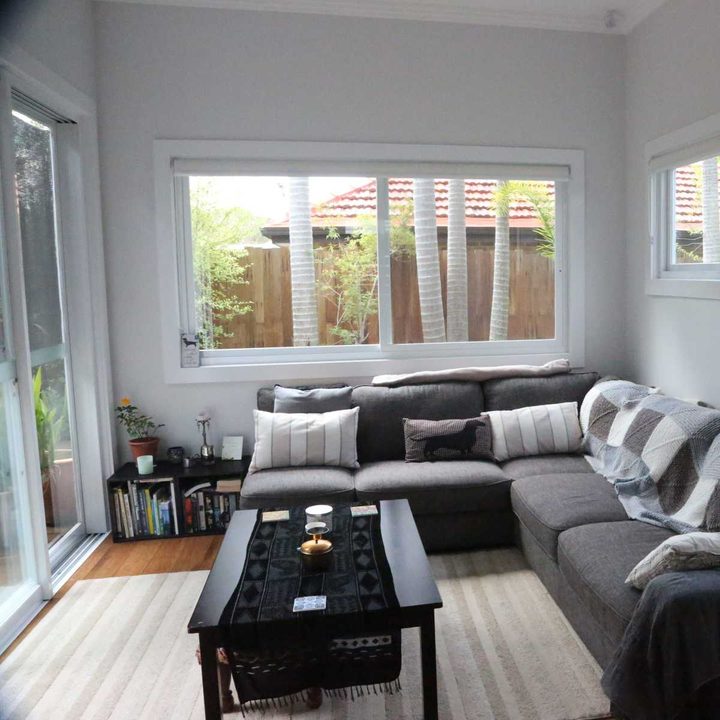



Soft furnishings, adjustable lighting, and comfortable seating can make the space welcoming during different seasons.
Keep decorations relatively simple so the outdoor views remain a defining feature.
A sunroom succeeds when it complements the household's existing habits instead of demanding entirely new ones.
By prioritizing comfort, flexible design, durable materials, and careful construction, homeowners can create an addition that feels genuinely connected to the rest of the house.
The result is more than extra square footage. It's a welcoming place to appreciate changing seasons, enjoy natural light, and make ordinary moments feel a little more memorable.





Leave a Reply