

A $900 patch beats a $14,000 tear-off most days, but only when the deck underneath is still solid.
That is the whole decision in one line, and it is the one most homeowners get wrong because a contractor tells them the roof is toast or a neighbor tells them it is fine.
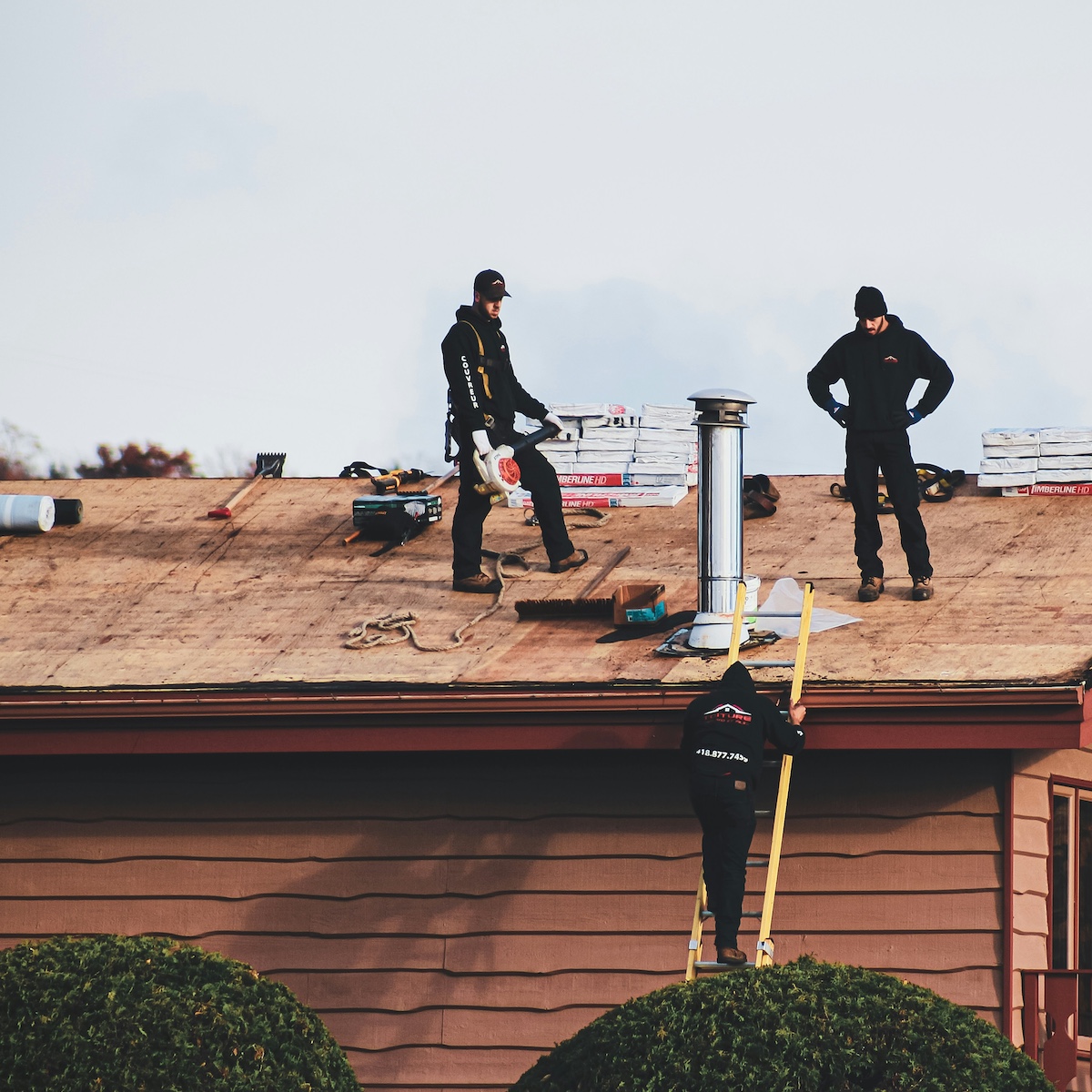
You can sort it out yourself in about twenty minutes with a flashlight, a hose, and a few questions about the roof's age and history.
Here is how I walk through it, what actually pushes a roof past the repair line, and the point where spending more on patches stops making sense.
Jump to:
Start With Age and Materials
Asphalt shingles generally give you fifteen to twenty-five years depending on climate and ventilation. Metal and tile run longer, often forty years or more. Those numbers come from federal building science guidance and they hold up well in practice. If your shingles are eighteen years old and one slope is leaking, a repair is reasonable. If they are twenty-two and you have had three leaks in two years, the roof is telling you something.
Material matters just as much. A cracked tile on a fifty-year roof is a small fix because the rest of the field is fine. A granule-bald shingle field with exposed fiberglass is not a repair target, it is a countdown.
Check your gutters after a rain too. Heavy granule buildup is one of the clearest signs that shingles are near the end of their service life, and it is easy to spot without climbing anything. According to the National Weather Service, severe storms and hail drive a large share of roof insurance claims each year, which is worth knowing when hail hits your neighborhood and every roofer knocks at once.
The Three Questions That Decide It
I run every roof through the same short list before recommending anything. It is not a formal inspection, but it sorts the easy calls from the real ones.
- How big is the problem? A single flashing failure, a cracked pipe boot, or a few lifted shingles is a repair. Widespread field damage across multiple slopes usually is not.
- Is the deck still sound? Soft spots, sagging, or visible daylight from the attic mean water has been getting in for a while, and repairs will not fix that.
- How many times have you called someone out? Three repairs in three years is a cash drain, not maintenance.
The honest answer to number three is the one most homeowners avoid, because each individual fix feels cheap and reasonable. Add them up and the math shifts.
What Counts as a Repair (and What Does Not)
Not every roofer will tell you this, so here it is plainly. These almost always qualify as repair work:
- Replacing a handful of damaged or missing shingles after a storm
- Resealing or replacing pipe boots, vents, and valleys
- Fixing flashing around chimneys, skylights, and sidewalls
- Patching a small puncture from a fallen branch
- Tightening or replacing loose ridge caps
And these almost never do, no matter how they get dressed up:
- Sagging rooflines or a visibly uneven deck
- Widespread leaks in different rooms
- Shingles that crumble when you touch them
- Mold or dark staining across a large stretch of attic sheathing
The second list is where a full replacement is the cheaper path over any reasonable timeline. You can keep patching a tired roof for years and still watch water get into framing, insulation, and drywall, and that damage costs more than the roof ever did.
Why Ventilation Keeps Coming Up
Here is the part that surprises people. A lot of roofs do not die from age, they die from heat and trapped moisture. Poor attic ventilation cooks the underside of your shingles from below and shortens their life in ways you would never see from the driveway.
When a roofer starts talking about intake vents, ridge vents, and attic fans during a repair visit, they are not upselling you out of boredom. According to the U.S. Department of Energy, attic ventilation and insulation work together to manage heat and moisture in the home, and getting those two out of balance is a common reason roofs fail earlier than their rated life. If your attic hits 140 degrees in July, your shingles are paying for it. I would spend repair money on ventilation correction before I spent it on a cosmetic fix, because the ventilation problem will outlast the patch.
Cost Math That Actually Helps
Small repairs typically run a few hundred dollars. Anything involving valleys, multiple penetrations, or partial slope replacement climbs into the low thousands. A full replacement costs many times that, so the question is not which number is smaller today, it is which number is smaller over the next decade.
My rough test: if repairs have already cost you more than a third of what a replacement would run, or if the roof is past two-thirds of its service life, put the money toward replacement. Otherwise repair first and revisit in a year or two.
| Situation | Better Move |
|---|---|
| One leak, roof under 15 years old | Repair |
| Flashing or pipe boot failure | Repair |
| Storm damage, isolated slopes | Repair |
| Soft decking or sagging | Replacement |
| Three or more leaks in three years | Replacement |
| Roof past rated life with widespread wear | Replacement |
What to Ask Before You Sign Anything
Get the scope in writing, and make sure it names the actual materials and the areas being worked on. "Roof repair" as a line item tells you nothing. Ask for photos from the roof, not just a description, because you should be able to see the damage yourself. Ask how the repair interacts with your warranty, since some manufacturers void coverage if work is done poorly or by someone unlicensed.
Also ask what they found that they are not fixing. A roofer who walks the whole roof and tells you the other slopes look fine is worth more than one who finds something everywhere. That honesty is the difference between a real assessment and a sales pitch wearing a clipboard.
Financing and insurance are worth sorting early too. If storm damage is involved, your insurer may require documentation before work begins, and the paperwork is much harder to assemble after the fact.
Where to Get Answers You Can Trust
You do not need to become a roofing expert. You need to know when a fix is genuinely a fix. If your home is in Central Texas, especially around Austin, Marble Falls, or the surrounding Hill Country, a local team that has been on these roofs for years will read your situation faster than any checklist. You can review Complete roof repair options if you want to see how a full-service contractor handles shingle, tile, metal, and single-ply systems under one roof.
One more thing worth checking: your local housing authority often publishes guidance on home maintenance and contractor vetting. The U.S. Department of Housing and Urban Development is a useful starting point for homeowner resources and questions about hiring licensed trades.
- How to Buy Gold Bullion Without Getting Burned on Premiums
- When a Crash Becomes a Wrongful Death Case: What LA Families Should Know About Evidence and the First 72 Hours
- What to Look for in Dallas Custom Home Designers and Architects
- Why Every Modern Office Lobby Needs a Turnstile (And How to Choose One)




So here is the practical version. Climb into the attic with a flashlight. Look for daylight and staining. Note how old the roof is and how many times you have paid someone to fix it. If the answers are one leak, a solid deck, and a young roof, patch it and move on. If the answers are soft spots, repeated calls, and a roof well into its second decade, you have your answer, and it is worth getting a full quote before the next storm decides for you.
Go look at your attic this weekend. It is ten minutes, and it tells you more than any estimate.




Leave a Reply