

Winter mornings with a dog? It often spells total chaos. You’re juggling frozen windshields, missing mittens, and early school runs, all before breakfast.
When it’s cold outside, who wants to spend ten minutes rooting around for the lost leash when you’re standing at the open door? That’s why front-door kits are very handy.
A tiny bit of advanced planning helps you to get strolling faster when it’s cold, and it makes it more manageable and surprisingly stress-free.
Jump to:
1. Start With a Warm Outer Layer
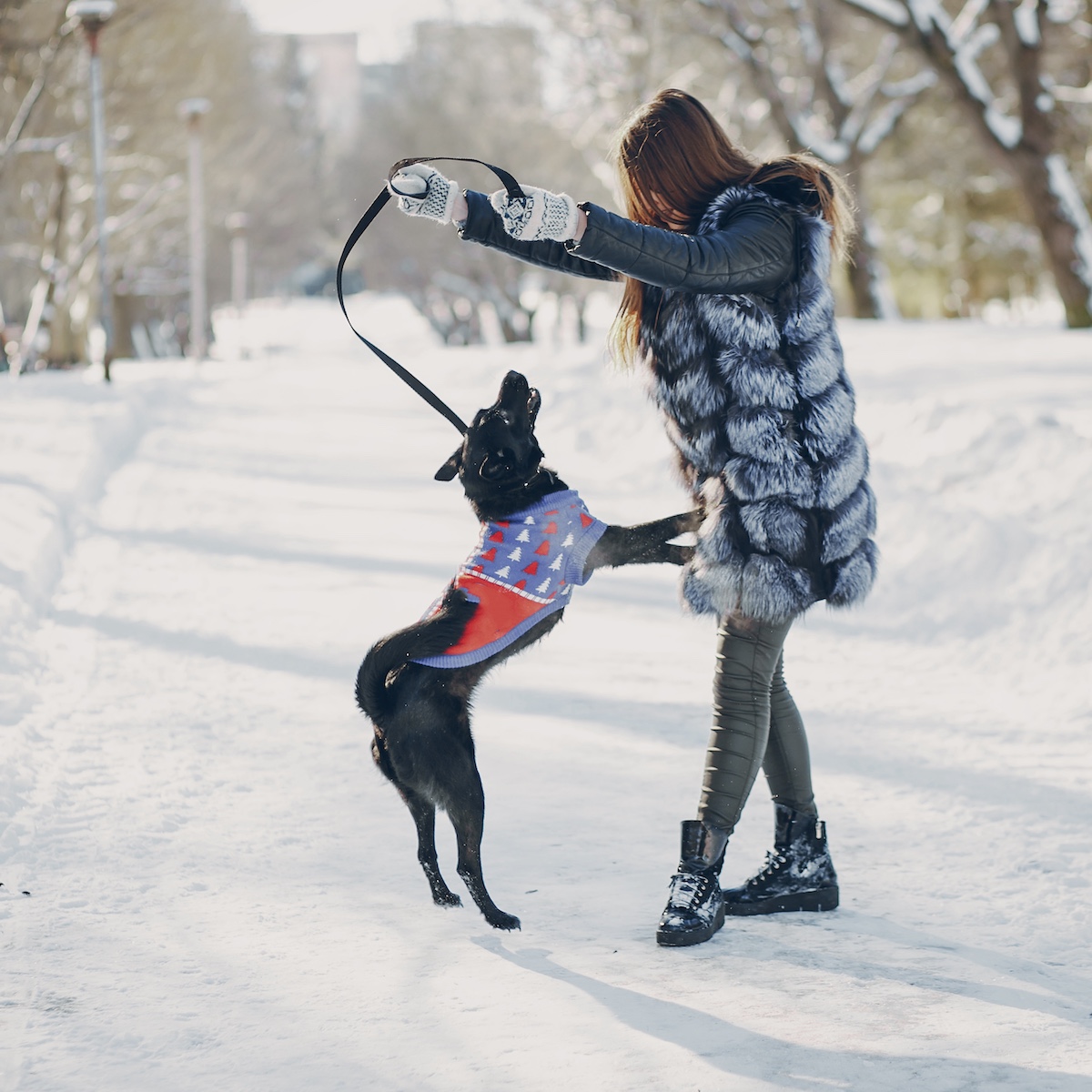
Every breed handles cold differently. My neighbor's Husky practically lives in snowdrifts, but what about short-haired pups and older dogs? They start shivering the second they step onto icy grass.
A good fleece or coat will help maintain their core body temperature so they won’t freeze on walks.
If there is a chance of wind or rain, you should try to get them a waterproof coat to help keep them warm and dry.
A well-fitted waterproof layer can make a real difference in helping your dog stay warm and dry.
Make sure the strap is not rubbing on their armpits and that they can still run in the coat. You should also toss it on a radiator after walks so that it can dry.
2. Protect Their Paws
Cold sidewalks are surprisingly harsh on bare paw pads. Rock salt, chemical melters, and jagged ice patches can cause excruciatingly painful cracks or even chemical burns.
For slushy pavements, or salted roads, dog boots for icy paths can help protect sensitive paw pads and allow for better control while walking on the hazardous surfaces.
If your dog has not been accustomed to wearing the footwear, expect silly prancing around.
You will need to use loads of treats to entice your dog to put them on, especially when they are first introduced to the new sensation, so maybe start off with indoor practice. Remember to keep their feet trimmed and clean before putting their boots on.
3. Add Visibility for Darker Mornings
Winter means doing at least one walk in the dark; it's unavoidable. Maintaining visibility of your riding/running crew (however many dogs you have), perhaps during the morning commute and around fast-moving traffic, is a priority.
Clip-on LED tags, glowing collars, or light-reflective harness patches are good options. Even better, attach a small, rechargeable flashlight to your lead handle.
It’ll keep your hands free while allowing you to see those patches of ice, deep puddles, or other slick spots waiting around the corner or on the sidewalk.
4. Keep a Quick-Dry Towel by the Door
Nothing ruins a clean kitchen as quickly as four muddy, wet paws. Keep a microfiber towel near the front door to dry your dog’s paws before he sheds any moisture inside the house.
These towels are far superior in absorption to the cotton ones normally used in bathrooms because they extract more water and dry much faster.
Use a rubber-backed, washable entryway mat at the home's entrance to trap as much sand and sludge as possible.
5. Carry Waste Bags and a Small Sealable Pouch
Cold fingers make dealing with thin plastic bags a hassle, but cleaning up after your pet is still a must. Stuff extra rolls into coat pockets because cold plastic snaps easily when yanked.
If you are annoyed by having to carry around a soggy bag for half a mile, invest in a small, washable, sealable pouch for your walking buddy.
It will hide the nasty used bags, help prevent any unwanted odors, and keep you free of any bags until you come across a public disposal bin.
6. Bring a Collapsible Water Bowl
People don’t think about hydration in July-like weather, but your dogs may still be thirsty in the dead of winter.
The air has less humidity, and, for the dog who spent the better part of the day playing fetch in the snow, panting is dehydrating.
Bring a collapsible silicone bowl that won’t add unnecessary weight to your pack.
Offer water that is at room-temperature during long walks to stop your dog from drinking from the salt-slicked puddles or snow-covered sludge along the trail.
7. Pack a Few High-Value Treats
The winter streets are full of weird distractions, from noisy snow blowers to people wearing puffy winter parkas.
To keep your dog’s focus on you, bring treats that will tempt his sense of smell, like extra-scented, extra-soft treats that won’t turn to bricks in your cold pockets.
The soft treats are also great for rewarding a hesitant dog when you need to return home after a brisk outing.
8. Do a Fast Post-Walk Paw Check
Wrap up every single outing with a quick 60-second inspection before relaxing. Use a damp rag to wipe down their belly, legs, and paws, removing chemical de-icers and grit before they can lick them off during grooming.
Take a quick look between their toes for tiny pebbles or clumps of ice. Spotting small raw patches early stops minor seasonal dryness from becoming a painful issue later on. Living through the winter with a dog need not be a stressful and sloppy affair.
- Parents Are Prioritising Breathable, Sustainable Fabrics For Children's Seasonal Sleepwear
- Our Homemade Christmas Printables, Made With AI: What Worked, What Didn't, and What I'm Saving for Next Year
- At-Home vs. In-Lounge IV Therapy in the Hudson Valley: Which Makes More Sense?
- Can Passengers Pursue Compensation After a Car Accident?




Conclusion
By organising your front door and keeping the following items on hand, you can ensure that your dog is well-prepared and cared for without worrying about getting caught out in bad weather.
Adjust the list based on your dog’s size and coat, and prepare to make even the nastiest wintry walks into joyful occasions.





Leave a Reply