

There is a difference between a house that feels comfortable and one that always seems slightly damp.
You might notice it when you walk into a particular room. The air feels heavier than expected. Freshly washed towels take longer to dry. A closet develops a faint musty smell.
During certain times of the year, windows collect moisture even though there has been no recent storm.
Many homeowners immediately start searching for leaks when these issues appear. Surprisingly, some of the dampest homes have no obvious plumbing failure, roof problem, or visible water damage.
Moisture can accumulate quietly and gradually, creating an uncomfortable indoor environment long before major warning signs emerge.
The good news is that understanding why a home feels damp is often the first step toward solving the problem.
Jump to:
- Your Home Is Constantly Producing Moisture
- The “Heavy Air” Effect
- Why Certain Rooms Feel Worse Than Others
- When Air Stops Moving
- Hidden Moisture Sources You Never See
- Why Modern Homes Can Feel Surprisingly Damp
- Condensation Isn’t Always What It Seems
- The Basement Connection
- Building Materials Can Hold Moisture
- Small Signs That Shouldn’t Be Ignored
- Creating a More Comfortable Indoor Environment
- Final Thoughts
Your Home Is Constantly Producing Moisture
Most people associate moisture problems with water entering a home from outside. In reality, a significant amount of moisture is generated indoors every day.
Think about how often hot water is used. Showers release steam. Pots simmer on the stove. Dishwashers complete multiple cycles each week. Laundry appliances generate warmth and humidity. Even breathing contributes moisture to the air.
None of these activities is problematic on its own. The challenge arises when the moisture generated inside a home builds up faster than it can escape.
Over time, this imbalance can make a house feel persistently damp despite having no obvious water intrusion.
The “Heavy Air” Effect
Have you ever entered a room and immediately felt that the air was different?
Some homeowners describe it as stuffy. Others call it clammy. Many simply say the room feels damp.
This sensation often occurs when the moisture level in the air rises beyond what feels comfortable. Even if temperatures remain moderate, excess humidity can make indoor spaces seem warmer, heavier, and less inviting.
Interestingly, the human body is remarkably sensitive to changes in humidity. People often notice excess moisture before they see any visible evidence.
That is why a home may feel damp long before mould, stains, or peeling paint become apparent.
Why Certain Rooms Feel Worse Than Others
Not every room experiences moisture in the same way.
Bathrooms naturally deal with steam. Kitchens regularly generate heat and humidity. Laundry rooms process significant amounts of moisture during washing and drying cycles.
However, moisture problems frequently appear in unexpected places.
Spare bedrooms, storage rooms, closets, and finished basements often become the first areas where dampness is noticed. These spaces may receive less airflow than the rest of the home, allowing moisture to linger longer than expected.
A room that remains closed for much of the day can slowly develop conditions that feel noticeably different from more frequently used living spaces.
When Air Stops Moving
One of the most overlooked causes of dampness has nothing to do with water.
It has to do with air movement. Indoor air is constantly carrying moisture.
When that air circulates effectively, moisture disperses and evaporates more easily. When circulation becomes restricted, humidity tends to settle in certain areas.
Large furniture positioned against exterior walls, crowded storage spaces, and rooms that remain closed for extended periods can all contribute to localized moisture problems.
Sometimes a homeowner believes an entire house feels damp when the issue is actually concentrated in a few poorly ventilated areas.
Hidden Moisture Sources You Never See
Not all moisture announces its presence. Some sources remain concealed for months or even years.
Water can collect behind walls, beneath flooring materials, inside ceiling cavities, and around structural components without creating immediate visual clues.
During this period, homeowners may notice subtle changes in comfort without understanding what is causing them.
One common example involves hidden plumbing leaks that develop slowly behind finished surfaces.
Because these leaks release water gradually, they may never create the dramatic signs typically associated with plumbing emergencies.
Instead, they often reveal themselves through indirect symptoms such as lingering odours, elevated humidity, or recurring dampness in a particular area of the home.
Why Modern Homes Can Feel Surprisingly Damp
Many people assume newer homes are less likely to experience moisture issues. In reality, modern construction methods can sometimes create unique challenges.
Today’s homes are often designed to improve energy efficiency by reducing unwanted air exchange with the outdoors.
While this helps lower energy consumption, it can also mean that indoor moisture remains trapped more easily when ventilation is insufficient.
According to research published by Building Science Corporation, controlling air movement is one of the most important factors in managing moisture within residential buildings.
A well-sealed home can be highly efficient, but it still requires proper ventilation to maintain healthy indoor conditions.
Condensation Isn’t Always What It Seems
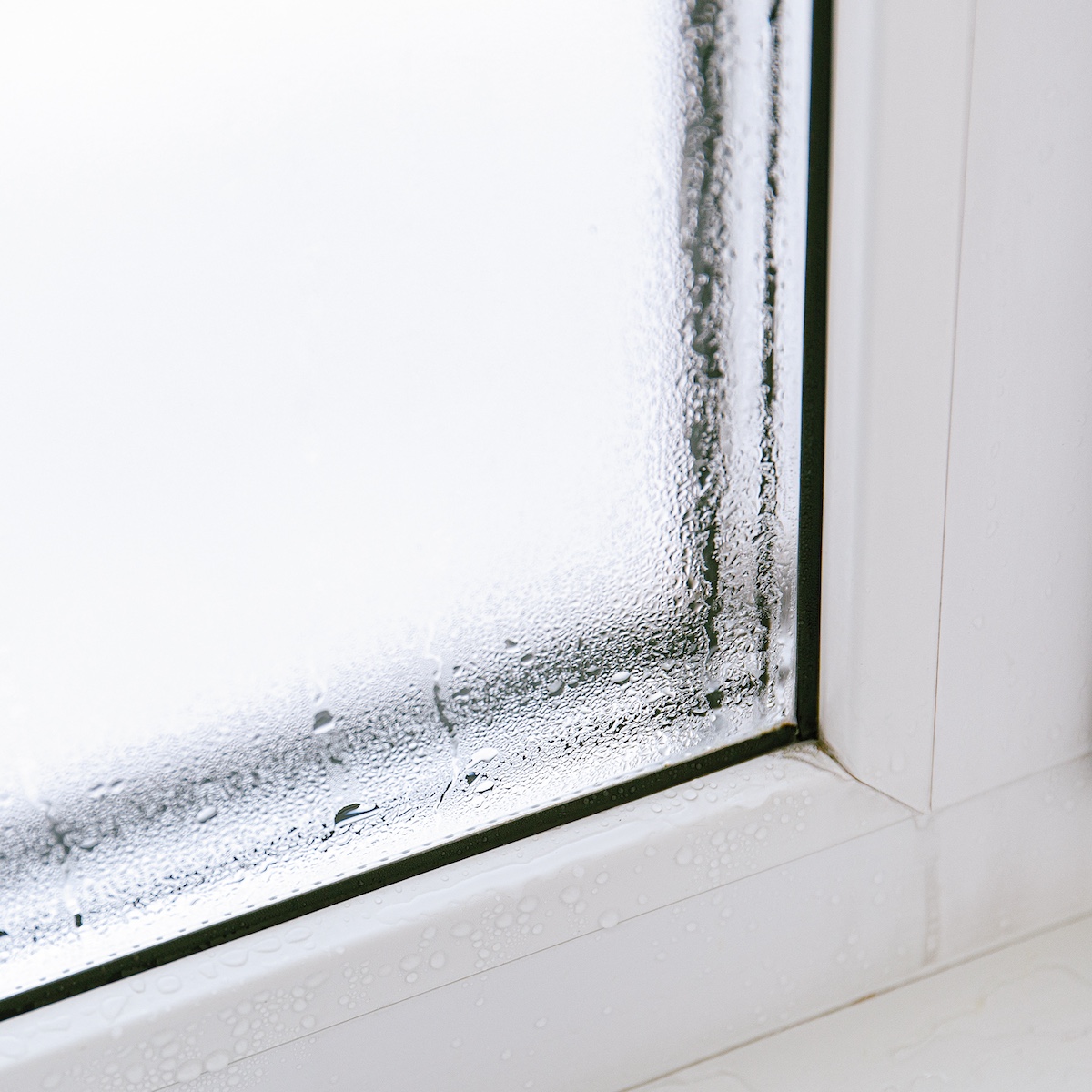
Water droplets on a window often trigger concern. Homeowners frequently assume that water is entering from outside when they see moisture forming on glass surfaces.
In many situations, however, the opposite is true. The moisture is coming from inside the home.
When humid indoor air encounters a cooler surface, water vapour transforms into liquid droplets. This process can occur on windows, exterior walls, metal fixtures, and even certain types of flooring.
Because condensation appears suddenly, it is often mistaken for a leak. In reality, it may simply indicate that indoor humidity levels have become too high.
The Basement Connection
Many moisture issues begin in places homeowners rarely think about. Basements are a good example. Even when there is no standing water, the lower level of a home remains heavily influenced by the surrounding ground.
Moisture can gradually migrate through concrete and masonry, increasing indoor humidity without producing obvious signs of water intrusion.
As humidity rises, the effects often spread beyond the basement itself.
Musty odours may travel upstairs. Rooms can feel less comfortable. Windows may fog more frequently. The entire home can begin to feel damp even though no visible leak exists.
Building Materials Can Hold Moisture
One reason dampness is difficult to diagnose is that many building materials absorb moisture surprisingly well.
Drywall, wood, insulation, carpeting, and subfloor materials can all retain water without showing immediate signs of damage.
A small amount of trapped moisture may not produce visible staining for quite some time. Meanwhile, the home’s indoor environment gradually changes. The air feels heavier. Certain rooms develop odours. Comfort levels decline.
Because these symptoms appear slowly, homeowners often dismiss them as seasonal issues rather than investigating the underlying cause.
Small Signs That Shouldn’t Be Ignored
A damp home rarely develops overnight. Most moisture problems begin with subtle clues that are easy to overlook.
Examples include:
- Persistent musty smells
- Condensation that appears regularly
- Rooms that always feel colder or clammy
- Paint that loses adhesion unexpectedly
- Flooring that begins to warp or shift
- Increased allergy symptoms indoors
- Areas that never seem completely dry
Individually, these signs may seem minor. Together, they often indicate that excess moisture is present somewhere within the home.
Creating a More Comfortable Indoor Environment
Addressing dampness does not always require major repairs.
Sometimes the solution involves improving airflow, adjusting humidity levels, or identifying a hidden source of moisture before it becomes a larger problem.
The key is recognising that comfort issues often provide valuable clues. A home that consistently feels damp usually reflects an imbalance among moisture production, airflow, temperature, and ventilation.
Paying attention to those signals early can help prevent more significant issues later.
Final Thoughts
A damp-feeling home does not necessarily mean there is a major leak hiding somewhere behind the walls. In many cases, the cause is a combination of humidity, airflow limitations, condensation, and moisture that accumulates gradually over time.
- Parents Are Prioritising Breathable, Sustainable Fabrics For Children's Seasonal Sleepwear
- Our Homemade Christmas Printables, Made With AI: What Worked, What Didn't, and What I'm Saving for Next Year
- At-Home vs. In-Lounge IV Therapy in the Hudson Valley: Which Makes More Sense?
- Can Passengers Pursue Compensation After a Car Accident?




What makes these situations challenging is that the warning signs are often subtle.
A room feels stuffy. A closet smells musty. Windows fog more often than usual. None of these issues seems urgent on its own.
However, when moisture remains unchecked, small comfort problems can evolve into larger concerns.
By understanding the hidden factors that influence indoor moisture levels, homeowners can take practical steps toward creating a healthier, fresher, and more comfortable living environment.





Leave a Reply