

Safety in any community goes far beyond obeying traffic laws or following basic rules. A truly safe neighborhood is built on awareness, shared responsibility, and well-maintained surroundings.
Knowing your neighborhood means more than recognizing street names or nearby stores, it involves understanding the environment, community dynamics, and available safety resources to help identify risks and avoid hazards.
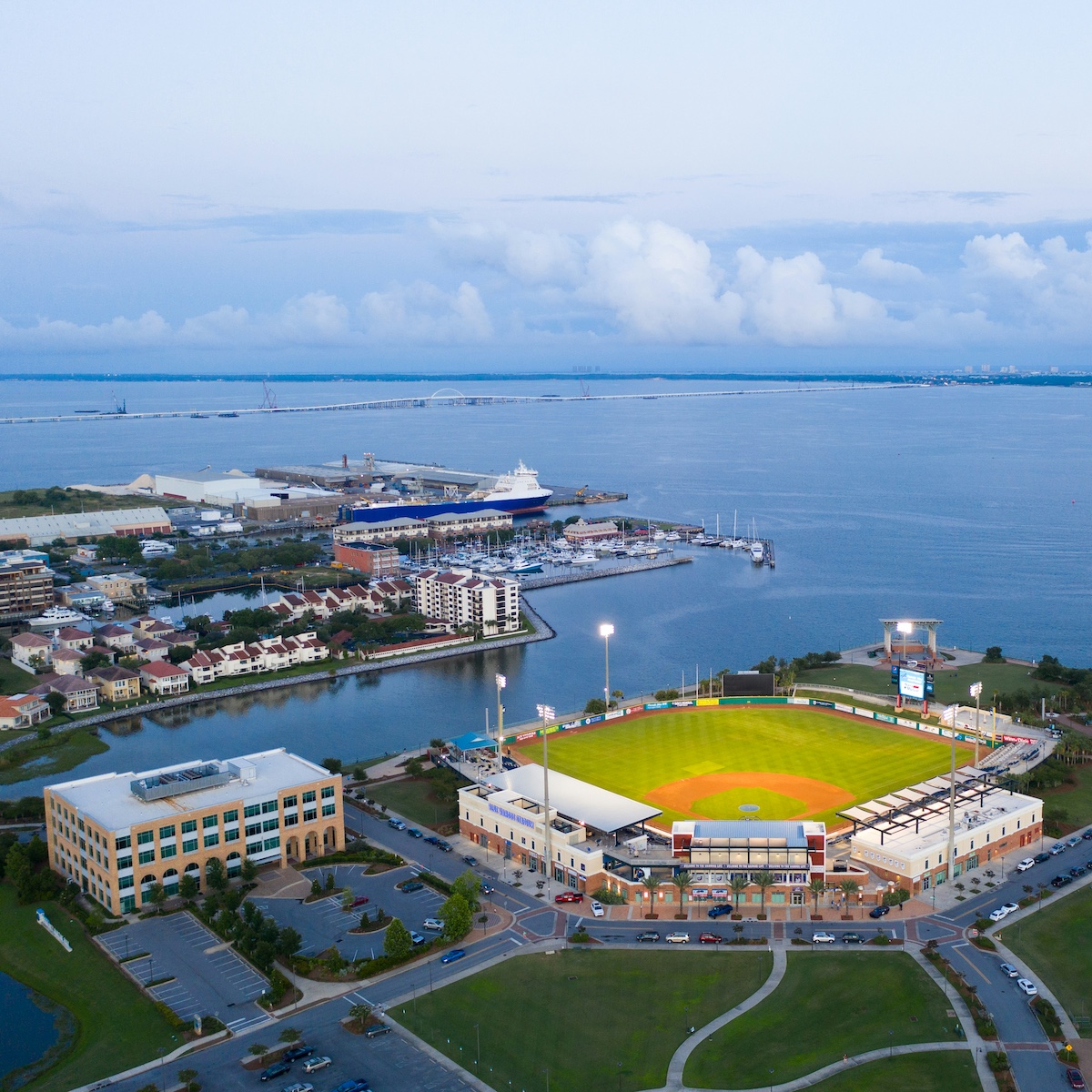
Pensacola, FL, is home to a population of around 54,000 people and is a diverse, mostly residential coastal city known for its historic charm, walkability, and proximity to white-sand beaches.
With a mix of urban, suburban, and coastal lifestyles, traffic patterns, pedestrian activity, and access to public spaces can vary across different areas.
Being familiar with these local conditions allows residents to make safer choices in their daily routines, from navigating busy intersections to choosing safer routes for walking and commuting.
When people become familiar with their surroundings, they are better prepared to anticipate potential risks.
This is one reason why many homebuyers and families often research the safest neighborhoods in Pensacola before choosing where to live, as local knowledge can significantly improve day-to-day safety.
Jump to:
Awareness of Public Spaces and Infrastructure
Well-lit sidewalks, parks, and public areas are essential for safety, especially during early mornings or evenings. Poor lighting can increase the risk of trips, falls, and even criminal activity.
When residents are familiar with which areas are well-lit and which are not, they can plan safer routes and avoid unnecessary risks.
Regularly used public spaces should also be monitored for maintenance issues. Broken pavements, uneven walkways, or damaged park equipment can lead to preventable injuries.
Being aware of these conditions helps individuals stay cautious and encourages reporting problems to local authorities.
Importance of Well-Maintained Facilities
Neighborhood safety is closely tied to how well facilities and shared spaces are maintained.
Clean, functional parks, properly installed playground equipment, and safe recreational areas reduce the likelihood of accidents.
Neglected environments, on the other hand, can quickly become hazardous.
Residents who pay attention to maintenance issues can act early by notifying responsible agencies or associations.
This proactive approach helps prevent minor problems from turning into serious safety concerns. It also promotes a culture of accountability within the community.
Role of Community Involvement
Strong community involvement is one of the most effective ways to enhance neighborhood safety.
Homeowners’ associations (HOAs) and neighborhood watch programs create a sense of shared responsibility among residents.
These groups often work together to address concerns, improve infrastructure, and maintain order.
When people actively participate in community meetings or safety initiatives, they stay informed about local issues. This involvement encourages communication and builds trust among neighbors.
As a result, communities become more connected and better prepared to handle safety challenges.
Understanding Local Crime Patterns
Being aware of local crime statistics is another important aspect of neighborhood safety. Knowing the types of incidents that occur in the area helps residents take appropriate precautions.
For example, if petty theft is common, individuals may become more vigilant about securing their belongings.
Access to this information allows communities to identify trends and respond effectively. It also helps residents make informed decisions about where to live, walk, or spend time. Awareness does not create fear; it promotes preparedness and smarter choices.
Communication and Neighbor Awareness
Getting to know your neighbors can significantly improve safety. Familiar faces make it easier to notice unusual activity or potential threats.
Neighbors who communicate regularly are more likely to look out for one another and report concerns quickly.
Simple actions like sharing contact information or participating in local events can strengthen these connections.
A well-connected neighborhood creates a support system that benefits everyone. This collective awareness often leads to faster responses in emergencies.
Emergency Preparedness and Resources
Understanding available emergency services and resources in your area is essential. Knowing the locations of nearby hospitals, police stations, and fire departments can save valuable time during critical situations.
Familiarity with emergency routes and procedures also improves response efficiency.
Communities that prioritize preparedness often organize drills or share safety guidelines. These efforts ensure that residents know how to act during emergencies.
Being prepared reduces panic and increases the chances of positive outcomes.
Encouraging a Culture of Safety
When residents actively engage in maintaining and improving their surroundings, they contribute to a culture of safety.
Small efforts, such as reporting hazards or participating in clean-up drives, can make a significant difference.
Over time, these actions create a safer and more welcoming environment.
- Parents Are Prioritising Breathable, Sustainable Fabrics For Children's Seasonal Sleepwear
- Our Homemade Christmas Printables, Made With AI: What Worked, What Didn't, and What I'm Saving for Next Year
- At-Home vs. In-Lounge IV Therapy in the Hudson Valley: Which Makes More Sense?
- Can Passengers Pursue Compensation After a Car Accident?




A culture of safety also influences behavior. People are more likely to act responsibly when they see others doing the same. This shared mindset helps prevent accidents and discourages unsafe practices.
Key Takeaways
- Knowing your neighborhood helps identify risks and avoid accidents.
- Well-lit and maintained public spaces play a crucial role in safety.
- Community involvement strengthens awareness and shared responsibility.
- Understanding local crime trends improves preparedness.
- Strong neighbor connections enhance communication and response.
- Proactive maintenance and reporting prevent hazards from escalating.





Leave a Reply