

There's a particular kind of quiet that happens when a child sits down with a blank coloring page and a box of crayons. No notifications. No background music. No next episode loading automatically. Just a picture, a color, and a decision.
It sounds simple, and that is part of why it works so well. Most families are not trying to remove screens completely. They are simply looking for easy ways to create balance during the day. Coloring remains one of the simplest ways to do that because it holds a child's attention without overstimulating them.
What Happens When Kids Color
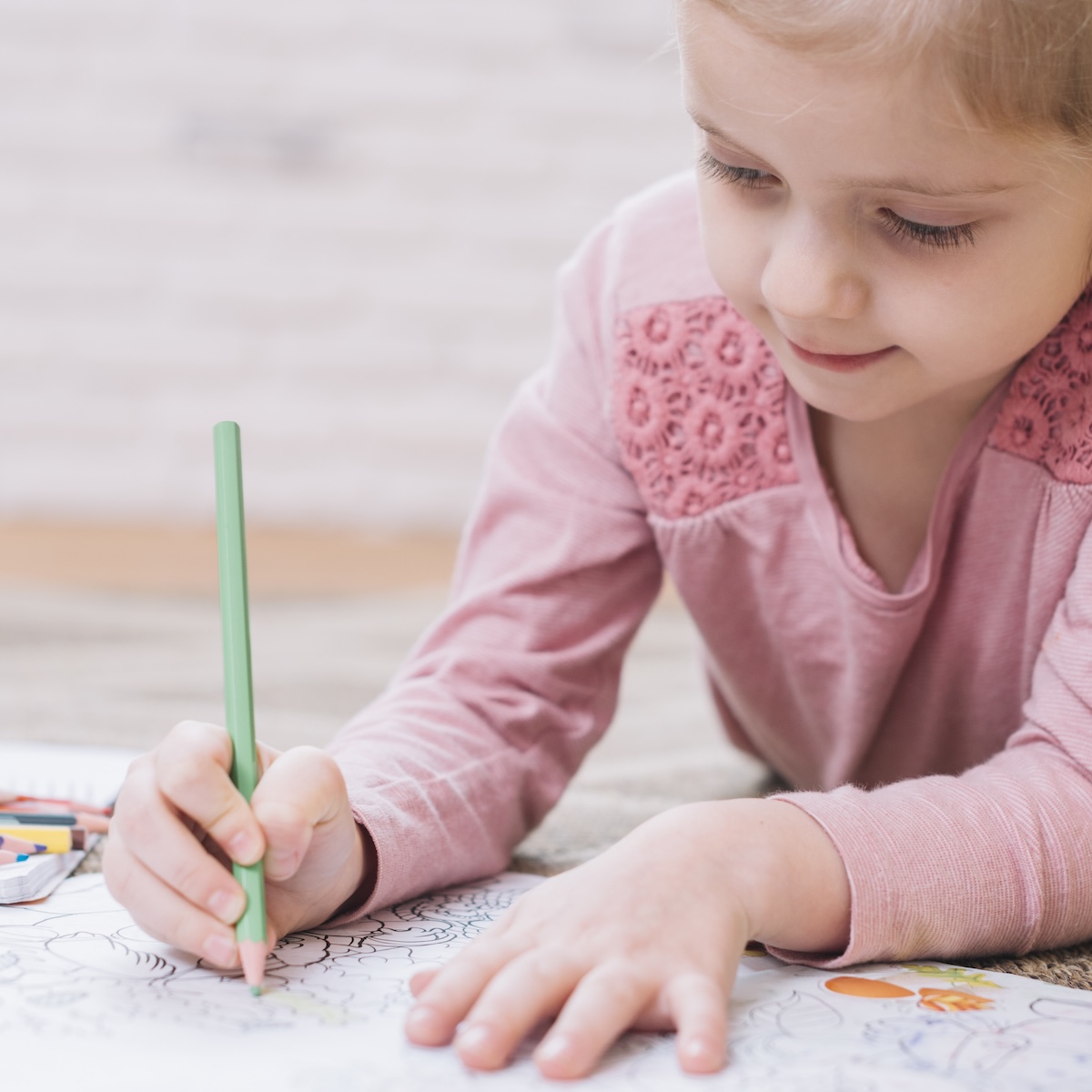
When kids color, they are doing much more than filling in shapes. They are making choices, practicing focus, and building fine motor control in a way that feels fun rather than instructional. Even small decisions like choosing whether a tree should be green, orange, or purple help encourage creativity and independent thinking.
The physical act of coloring also matters. Holding crayons or pencils, moving slowly across the page, and concentrating on one section at a time creates a calm rhythm that many children respond to well. For parents and teachers, it can be a helpful activity after school, before dinner, or during quiet time at home.
One reason this activity still works so well today is how easy it has become to find high-quality coloring pages online that match a child's interests in the moment. Instead of relying only on store-bought books, parents can choose printable pages that fit whatever a child is into right now — animals, food, seasons, or simple everyday themes.
Why Printable Pages Work Better Than Books
Printable pages solve some of the small frustrations that come with traditional coloring books. If siblings want the same page, you can print it twice. If a child wants to color the same design again in different colors, that is easy too. If a page gets messed up halfway through, there is no disappointment over ruining part of a book.
This flexibility is especially useful in classroom settings. A teacher working with a group of twenty children cannot pass around a single coloring book. But a printable page can be prepared in advance, copied as many times as needed, and swapped out quickly if the theme needs to change. When a book runs out of pages mid-term, that problem simply does not exist with printable resources.
That is one reason free printable coloring pages are so useful for families and classrooms alike. They give children freedom to explore without worrying about wasting pages, and they make it easier for adults to keep a few low-prep activities ready for different ages and interests.
How to Make the Most of Coloring Time
A few simple habits can make coloring time even more enjoyable. Let kids choose the page themselves when possible, keep crayons or pencils within easy reach, and avoid turning every coloring session into a lesson. The real value is often in the calm process itself, not in the finished page.
It is also worth noting that coloring is not just for young children. A toddler working on large simple shapes and an eight-year-old filling in a detailed scene are getting something different from the same activity, but both are benefiting. That range makes it one of the few activities that can work across an entire household or a mixed-age classroom without much adjustment.
Coloring also works well as a transition activity. It fits naturally between busy moments and quieter ones, which makes it useful after active play, before homework, or as part of a bedtime wind-down routine. It is flexible, affordable, and easy to repeat without much preparation.
A Simple Activity With Lasting Value
What often gets overlooked is that not every good activity for kids needs to be complicated, expensive, or highly structured. Sometimes a printed page and a handful of crayons are enough to create a meaningful pause in the day.
That quiet focus is part of why coloring pages still matter, and why they continue to earn a place in so many homes and classrooms.





Leave a Reply