

The living room is one of the hardest-working spaces in any home. It's where families gather after busy days, children play, guests are welcomed, and quiet evenings unfold.
While style often takes center stage in home design, comfort is what transforms a living room into a space people genuinely enjoy spending time in.
Interior designers agree that creating a comfortable living room isn't about following every new trend or investing in expensive renovations.
Instead, it's about making thoughtful choices that improve how the space feels and functions every day.
From furniture layout to lighting and texture, even small changes can make a noticeable difference.
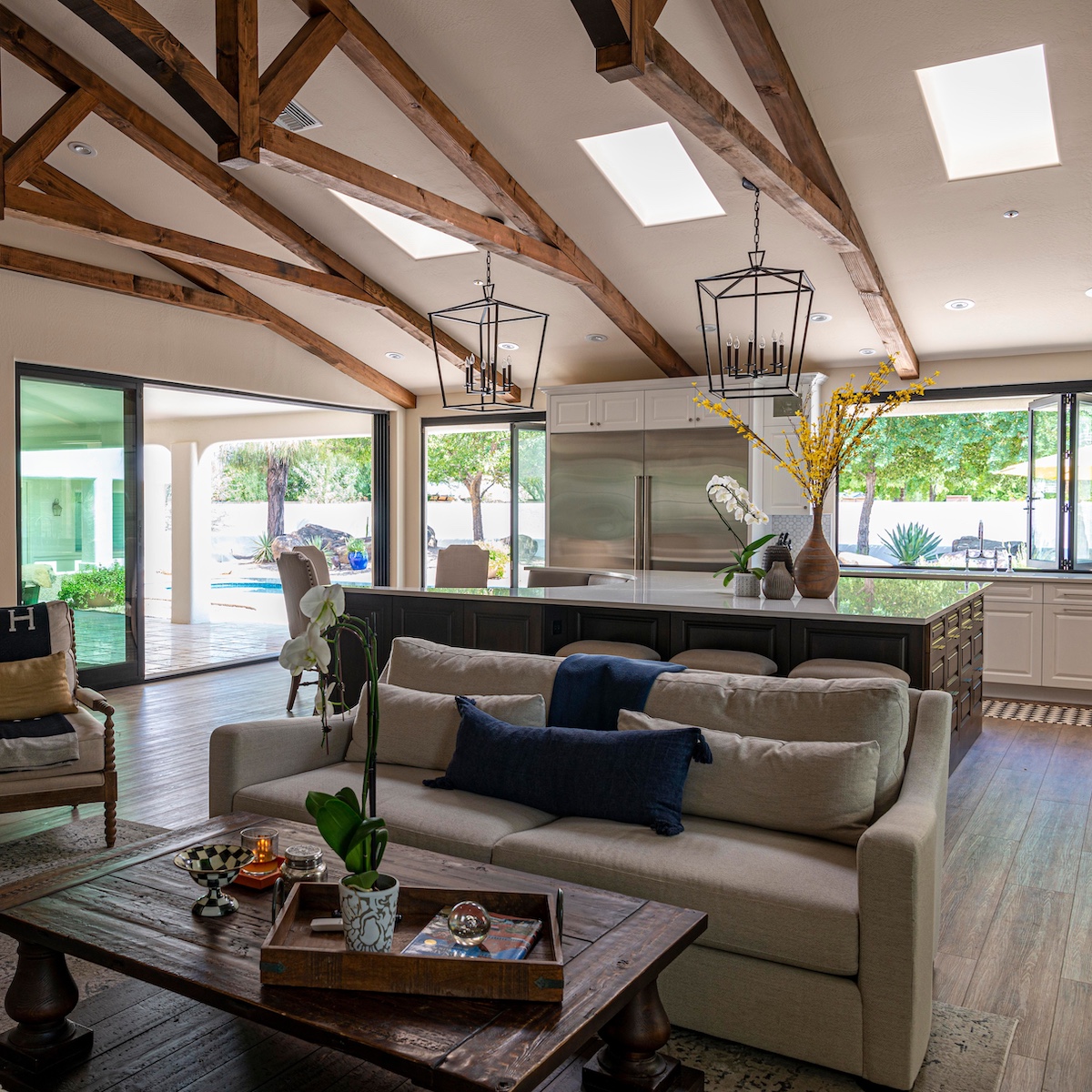
Jump to:
Choose Furniture That Fits Your Lifestyle
One of the biggest mistakes people make is choosing furniture based solely on appearance. While a beautiful sofa may look great in a showroom, it also needs to suit the way your household actually lives.
Interior designer Nate Berkus has often emphasised that a home should reflect the people who live there rather than simply following design trends.
Comfortable seating that accommodates everyday activities, whether that's reading, watching films, hosting friends, or spending time with family, creates a room people naturally gravitate towards.
For homeowners looking for adaptable seating, modular furniture has become increasingly popular because it can be rearranged as needs change.
Brands such as Soulfa offer modular sectional designs that can be configured to suit different room sizes and layouts, making flexibility a practical consideration rather than a design compromise.
Create a Layout That Encourages Conversation
Rather than pushing every piece against the walls, interior designers often recommend arranging seating to encourage conversation.
Sofas and chairs positioned to face one another create a more inviting atmosphere and make socialising feel effortless.
It's also worth considering traffic flow. People should be able to move comfortably through the room without squeezing between furniture or navigating awkward obstacles.
Leaving clear walkways helps the room feel more spacious, even if it's relatively compact.
According to Christopher David Design, a residential design studio offering bespoke interior design services, a well-planned layout should balance comfortable conversation areas with clear and practical routes through the room.
Layer Your Lighting
Instead of relying on a single ceiling light, designers recommend layering several types of lighting throughout the room. This may include:
- Table lamps for reading.
- Floor lamps to brighten darker corners.
- Wall sconces for soft ambient light.
- Candles for added warmth during evenings.
The American Lighting Association notes that layered lighting improves both functionality and atmosphere by allowing homeowners to adjust lighting according to different activities and times of day.
Warm white bulbs generally create a more relaxing environment than cooler daylight tones, particularly in spaces designed for rest and socialising.
Add Soft Textures
Layering different textures helps create warmth and depth without overwhelming the space. Consider combining:
- Soft throws.
- Cushions in different fabrics.
- Woven baskets.
- Natural fibre rugs.
- Linen curtains.
- Upholstered furniture.
Mixing materials like cotton, wool, wood, leather and rattan creates subtle contrast that makes a room feel lived-in rather than overly styled.
Interior designer Shea McGee frequently highlights texture as one of the simplest ways to make a room feel finished, particularly when working with neutral colour palettes.
Bring Nature Indoors
Beyond their decorative appeal, studies have found that interacting with indoor plants may help reduce stress and improve mood.
Research published in the Journal of Physiological Anthropology found that simply viewing indoor plants can promote feelings of relaxation.
If looking after plants feels intimidating, start with low-maintenance varieties such as snake plants, ZZ plants, or pothos, all of which thrive with relatively little attention.
Fresh flowers, branches gathered from the garden, or seasonal greenery can also introduce natural colour without requiring a permanent commitment.
Include Meaningful Personal Touches
Rather than filling shelves with generic décor, include items that have personal significance.
Family photographs, travel souvenirs, inherited pieces, or favourite books create warmth that cannot be replicated by showroom displays.
Interior designer Emily Henderson often recommends mixing decorative objects with meaningful keepsakes to achieve a home that feels authentic rather than overly curated.
Displaying a few carefully chosen personal items also creates natural conversation starters when entertaining guests.
Keep Clutter Under Control
Visual clutter can make a room feel stressful, even when it's beautifully decorated. Princeton University researchers found that excessive visual stimuli compete for our attention, making it harder to focus and potentially increasing feelings of overwhelm.
Simple storage solutions can help maintain a calmer environment:
- Decorative baskets for blankets and toys.
- Closed cabinets to hide everyday items.
- Floating shelves for books and ornaments.
- Coffee tables with built-in storage.
The goal isn't perfection but creating a room that's easy to tidy and enjoyable to use.
Think Beyond Appearance
Ask yourself practical questions:
- Is there enough seating when visitors arrive?
- Can children play comfortably?
- Is there somewhere to place a cup of tea or a book?
- Are frequently used items easy to reach?
- Does everyone have a favourite place to sit?
Good design supports everyday life rather than making people worry about keeping everything pristine.
Use Colour to Set the Mood
Soft neutrals, earthy greens, muted blues, and warm terracotta tones are frequently used to create relaxing environments. However, comfort doesn't have to mean playing it safe.
Adding colour through artwork, cushions or decorative accessories allows you to introduce personality without overwhelming the room.
Designers often recommend choosing colours that make you feel calm and happy rather than simply following annual trend reports.
Make the Space Feel Lived In
Homes become comfortable through use. A favourite blanket draped over the sofa, books waiting to be read, children's drawings framed on the wall and furniture arranged around real family life all contribute to a welcoming atmosphere.
Rather than striving for a picture-perfect room that nobody wants to touch, focus on creating a space where people feel relaxed enough to stay awhile.
Conclusion
Creating a comfortable living room doesn't require knocking down walls or investing in a complete renovation. Small, thoughtful changes often have the greatest impact.
Comfortable seating, layered lighting, natural textures, personal touches, and practical layouts all work together to create a room that's both beautiful and functional.
- Parents Are Prioritising Breathable, Sustainable Fabrics For Children's Seasonal Sleepwear
- Our Homemade Christmas Printables, Made With AI: What Worked, What Didn't, and What I'm Saving for Next Year
- At-Home vs. In-Lounge IV Therapy in the Hudson Valley: Which Makes More Sense?
- Can Passengers Pursue Compensation After a Car Accident?




Ultimately, the most welcoming living rooms aren't defined by expensive furniture or the latest decorating trends.
They're spaces that reflect the people who live there and support everyday moments, whether that's hosting friends, enjoying family film nights, or simply relaxing with a good book at the end of the day.
References
- American Lighting Association. Layered Lighting Design Guidelines.
- Berkus, N. Various interviews on designing homes for real life.
- Henderson, E. Interior design articles and home styling advice.
- Journal of Physiological Anthropology. Physiological and psychological relaxation effects of viewing indoor plants.
- Princeton University Neuroscience Institute. Interactions of top-down and bottom-up mechanisms in human visual cortex and attention.





Leave a Reply