

Choosing the right cannabis strain is not always simple. A large number of consumers anticipate high relaxation or stress relief and end up purchasing strains that are weak or inconsistent.
Some varieties of strain promise high potency but deliver temporary effects. While some seem appealing in description, they fail to match the real experience. As a result, this uncertainty usually frustrates users, particularly in cases where they desire a dependable strain to relax in the evening or have a good sleep.
A more effective approach is to understand the factors that shape a strain’s potency. Genetics, cannabinoid levels, and terpene composition all influence how cannabis affects the body and mind, and the Purple Octane strain is a strong example of how these elements work together.
When consumers learn how these elements interact, it becomes easier to identify strains that consistently deliver the effects they expect. This article discusses what the Purple Octane strain is and the key factors that make its effects unique.
What Is The Purple Octane Strain?
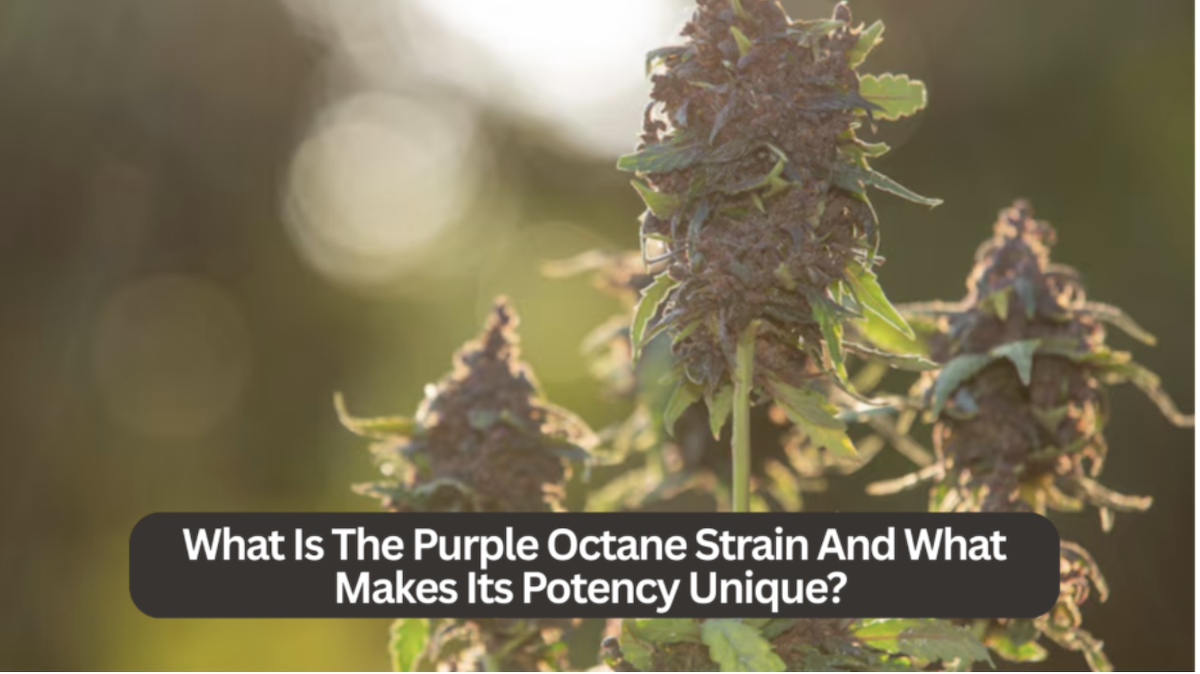
Purple Octane strain is an indica-dominant cannabis with intense relaxing properties and thick resin. High Octane OG crossed with Purple Punch gave rise to the strain.
Both parent strains already contain potent cannabinoids. This combination resulted in a hybrid that is known to be very physically relaxing with a strong aroma.
The strain is also known to have thick buds and high trichome density. Due to these properties, Purple Octane is commonly regarded as a potent and dense terpene composition.
Below are the key characteristics that define the Purple Octane strain.
1. Genetic Background and Breeding
Purple Octane inherits its core traits from High Octane OG and Purple Punch. High Octane OG contributes potency, fuel‑like aromas, and strong cannabinoid expression. Meanwhile, Purple Punch introduces sweet berry flavors and calming terpene compounds.
When breeders crossbred these two strains, they came up with a hybrid that was equally powerful and flavored. The resulting plant is indica-dominant and typically produces dense buds along with deeply relaxing effects.
This heritage also reveals why Purple Octane tends to attract experienced cannabis users who want strains that tend to lean towards relaxation, and not active stimulation.
2. Visual Characteristics of the Flower
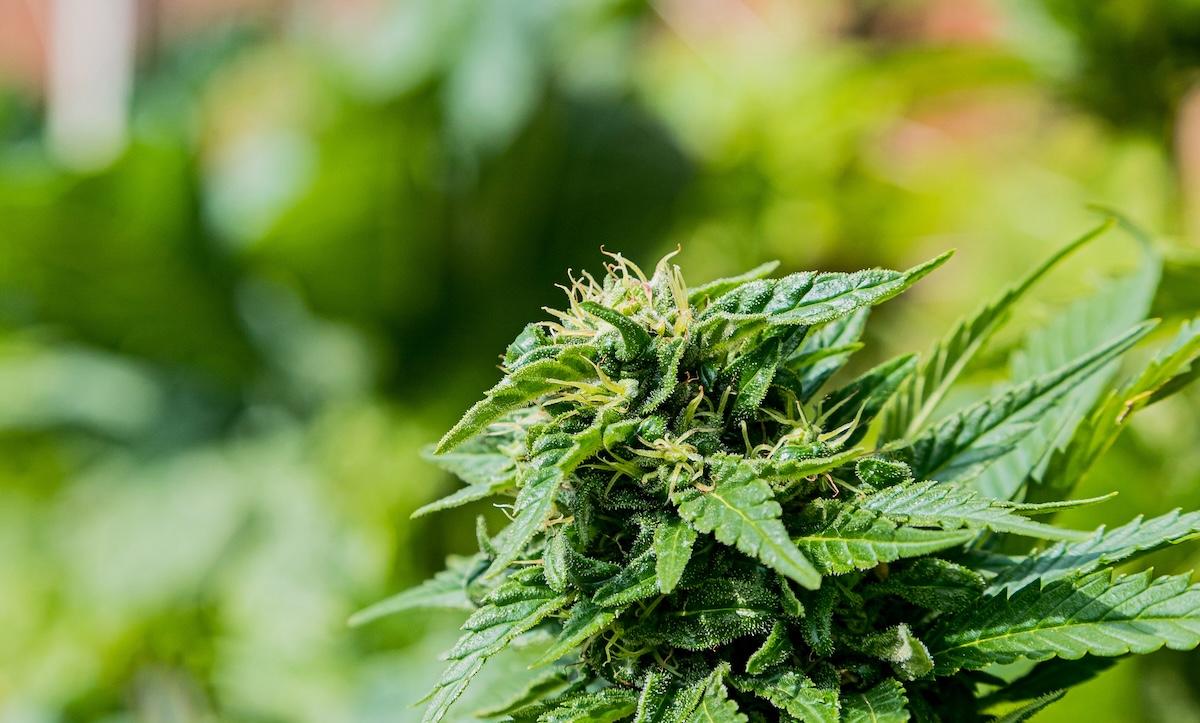
Purple Octane buds usually have an attractive appearance due to the dense layer of trichomes. These buds contain cannabinoids and terpenes, which are covered with resin. Hence, high production of resin is generally signified when buds appear frosty.
The flower structure tends to be compact and dense. Deep green tones frequently mix with shades of purple, especially when plants develop in cooler growing conditions. Bright orange pistils weave through the buds, creating contrast against the crystal‑covered surface. This visual profile is common among high‑resin indica strains.
3. Aroma and Flavor Profile
Purple Octane has a distinctive, sweet aroma that is unique. When the users initially encounter the flower, they notice a strong impression of grapes or berry notes. Soon after, the smell of stronger diesel-like aromas is perceived. Together, these opposing smells are a representation of the dual genetic ancestry of the strain.
The flavor often mirrors the aroma during consumption. The inhale may deliver sweet fruit or candy‑like notes, while the exhale brings out earthy, fuel‑like undertones. Some users also detect subtle spices or herbal hints. These layered flavors come from terpene compounds that evaporate at different temperatures during inhalation.
What Makes Its Potency Unique?
High THC levels are found in many strains of cannabis, but they do not necessarily produce the same effects. The strength of Purple Octane is unique due to the combined effect of several factors. All are involved in the total experience: cannabinoid structure, the interaction of the terpenes, and plant chemistry.
All these factors combine to determine the way the strain impacts the mind and body. Therefore, Purple Octane is commonly known to produce better and more pronounced effects than a lot of other cannabis strains.
Below are three major reasons why Purple Octane is often considered especially potent.
1. High THCa Content
Purple Octane frequently contains high levels of THCa before heat activation. THCa is the acidic precursor to THC. In its raw form, THCa does not produce intoxication. However, when heat is applied during smoking or vaporization, THCa converts into THC through a chemical process known as decarboxylation.
This conversion significantly increases psychoactive strength. Because Purple Octane often contains elevated THCa levels, the strain can produce strong effects once activated. The higher the initial concentration of THCa, the greater the potential for powerful THC activity after decarboxylation.
2. Strong Terpene Synergy
Terpenes play a major role in how cannabis feels. Purple Octane commonly contains terpenes such as myrcene, caryophyllene, and limonene. Each terpene plays a distinctive role in shaping the overall experience.
Myrcene often supports physical relaxation and sedation. Caryophyllene interacts with cannabinoid receptors associated with inflammation and stress response. Limonene contributes subtle mood elevation and aromatic brightness. When these compounds work together with cannabinoids, they create what researchers often call the “entourage effect.”
Scientific research suggests that terpene and cannabinoid interactions may influence the intensity and duration of cannabis effects. Purple Octane demonstrates this synergy through its balanced terpene composition.
3. Dense Resin Production
Another factor that contributes to Purple Octane’s potency is its heavy resin production. Resin glands, also called trichomes, are responsible for producing cannabinoids and aromatic compounds.
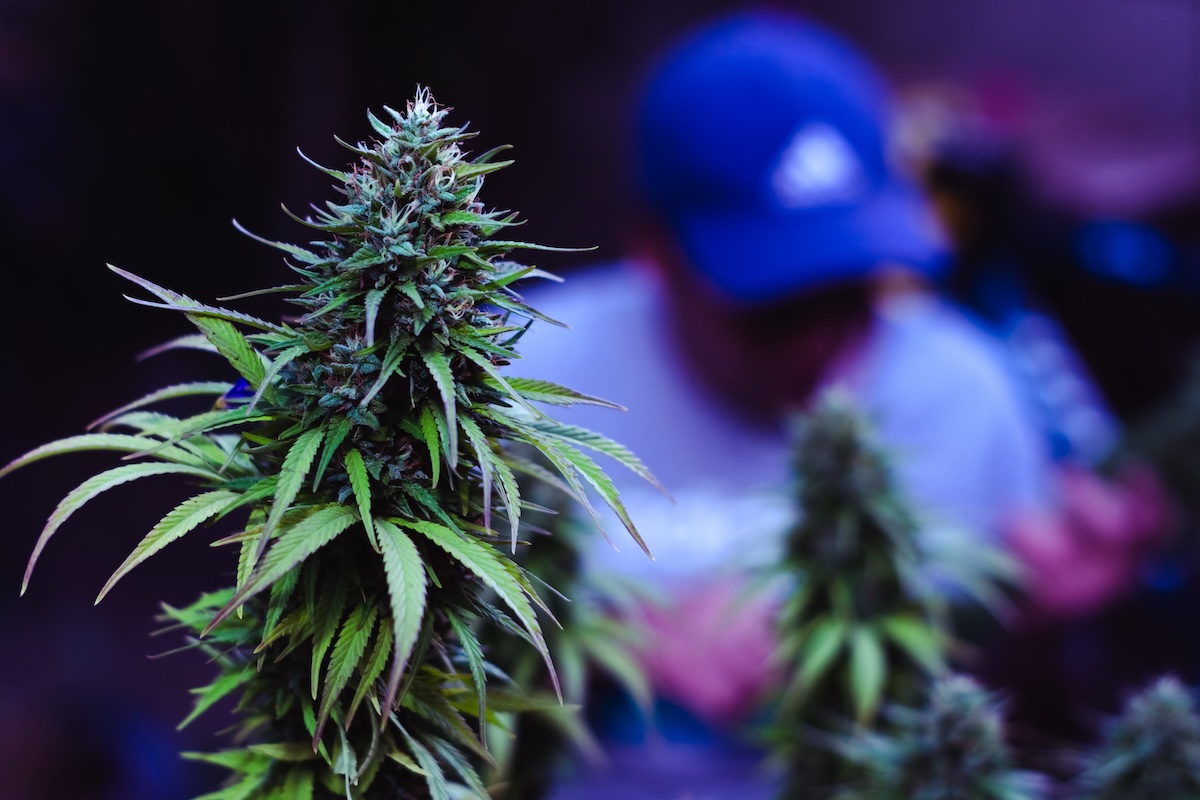
Purple Octane plants often develop thick trichome coverage across the entire bud surface. These glands store THC, THCa, and other cannabinoids along with terpene oils. When a strain produces large quantities of trichomes, it typically contains higher concentrations of active compounds.
Modern cannabinoid research shows that plant chemistry plays a crucial role in potency outcomes. Cannabinoid composition and plant structure can influence biological activity and user effects.
Since Purple Octane consistently produces dense resin, it often delivers stronger cannabinoid concentrations compared with lower‑resin cultivars.
Conclusion
Purple Octane is an indica‑dominant cannabis strain created by crossing High Octane OG with Purple Punch.
The strain stands out for its dense buds, purple coloration, and complex aroma that blends sweet fruit with diesel notes.
These traits alone make it visually and aromatically distinctive among modern cannabis varieties.
What truly makes Purple Octane unique, however, is its potency. High THCa levels, terpene synergy, and heavy resin production combine to create powerful and long‑lasting effects.
When these factors work together, the result is a strain known for deep physical relaxation and strong overall intensity.
- Parents Are Prioritising Breathable, Sustainable Fabrics For Children's Seasonal Sleepwear
- Our Homemade Christmas Printables, Made With AI: What Worked, What Didn't, and What I'm Saving for Next Year
- At-Home vs. In-Lounge IV Therapy in the Hudson Valley: Which Makes More Sense?
- Can Passengers Pursue Compensation After a Car Accident?




Understanding these characteristics helps cannabis users make more informed choices.
By examining genetics, terpene chemistry, and cannabinoid structure, consumers can better predict how a strain may affect them.
Purple Octane serves as a clear example of how these elements combine to produce a truly potent cannabis experience.





Leave a Reply