

A serious accident can reshape life without warning, leaving victims to manage medical debt, missed paychecks, and injuries that may not fully heal.
Pursuing a personal injury claim is often the most practical route to financial recovery, but outcomes vary considerably based on the quality of evidence presented.
Victims who understand what proof matters and move quickly to secure it tend to fare far better than those who wait.

Jump to:
Medical Records and Treatment Documentation
Medical records do more than document injuries. They establish a direct, timestamped connection between the accident and the harm suffered, which is precisely what insurance adjusters scrutinize most.
Seeking medical care immediately after an accident protects both health and legal standing.
Delayed treatment gives insurers an opening to argue that injuries were minor or unrelated to the incident.
Key records worth preserving include:
- Emergency room reports and admission notes
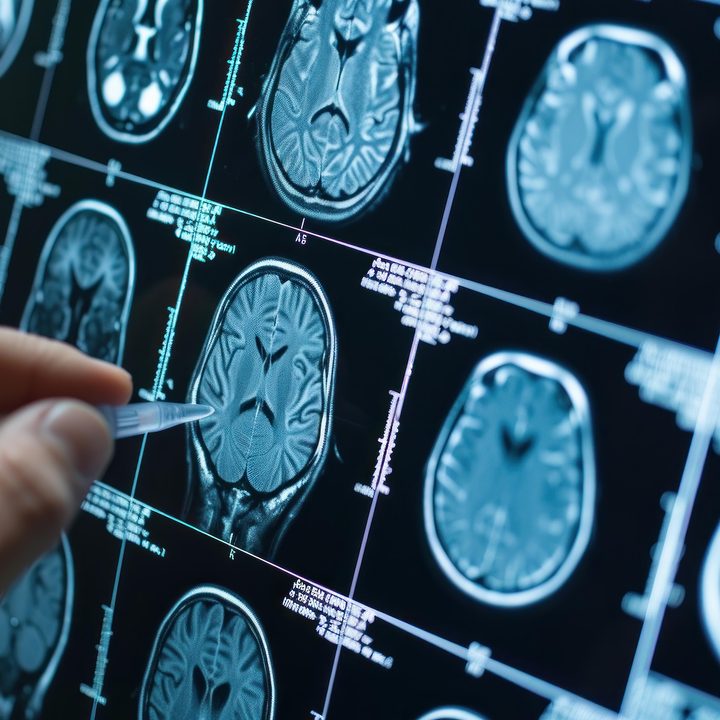
- X-rays, MRI scans, and other diagnostic imaging
- Physician evaluations and follow-up visit summaries
- Medication records and physical therapy logs
Documenting Long-Term Impact
A single hospital visit rarely reflects the full scope of an injury. Ongoing records, including specialist referrals, rehabilitation notes, and functional assessments, help paint a more accurate picture of how the injury has affected daily life over weeks and months.
The Role of Legal Representation
Gathering evidence is only part of the equation. How that evidence gets organized, framed, and argued shapes what a claim is ultimately worth.
Victims who secure dedicated personal injury lawyer Tampa representation early gain a significant advantage, as attorneys know which evidence carries the most weight and can send preservation letters to secure dashcam footage, vehicle data, or employment records before those materials are deleted or overwritten.
Photographic and Video Evidence
Visual proof is among the most persuasive material in any injury case. Photos taken at the scene capture road conditions, vehicle positions, visible injuries, and environmental hazards in a way that written descriptions simply cannot replicate.
Surveillance footage from nearby businesses, traffic cameras, and dashcam recordings can also be critical.
This material has a short shelf life; without prompt action, it gets overwritten and becomes permanently unavailable.
What to Capture at the Scene
- All vehicles involved and their resting positions
- Skid marks, debris, road defects, or obstructions
- Visible injuries before medical treatment begins
- Surrounding signage, lighting conditions, and weather
Witness Statements and Contact Information
Independent witness accounts add a layer of credibility that no amount of personal testimony can replace.
A neutral third party who saw the accident unfold corroborates the victim's version of events without any perceived bias.
Collecting names, phone numbers, and email addresses at the scene is worth the effort.
Memory fades fast, and statements gathered within hours of an accident tend to be far more detailed than those taken days or weeks later.
Police and Accident Reports
An official police report provides an objective, third-party account of the incident. It typically records the officer's observations, any citations issued, and a preliminary assessment of fault.
Even reports with minor inaccuracies still serve as a foundational document during negotiations.
Requesting a copy within a few days of the accident ensures it is on hand when claim discussions begin.
Financial Records Proving Economic Loss
Physical harm is only one dimension of a personal injury claim. Economic losses require equally thorough documentation.
Pay stubs and employer letters verify lost wages. Medical invoices, receipts, and insurance statements establish out-of-pocket costs.
For self-employed individuals, tax returns and client contracts often serve the same purpose when standard employment records are unavailable.
Non-Economic Damages and Supporting Evidence
Pain and suffering, emotional distress, and reduced quality of life are harder to quantify but no less valid.
A personal journal that tracks daily limitations, pain levels, and emotional changes can carry real weight in these situations. Mental health treatment records further support claims for non-economic damages.
Accident Reconstruction and Expert Testimony
In complex cases, reconstruction specialists analyze physical evidence to determine how a collision occurred.
Medical experts can speak to the nature, severity, and long-term prognosis of injuries sustained.
Expert opinions often shift the balance during settlement negotiations or at trial. Attorneys typically coordinate this process as part of assembling a thorough, well-supported case file.
Conclusion
A personal injury claim is only as strong as the evidence behind it. Medical records, witness accounts, visual documentation, financial records, and expert analysis each contribute something distinct to the overall picture.




No single piece tells the full story. Acting quickly after an accident, preserving as much documentation as possible, and working with qualified legal counsel gives victims the clearest path toward a recovery that genuinely reflects what they have lost.




Leave a Reply