

Heart care often begins with a lipid panel, yet the report can feel abstract until each marker is connected to artery health.
Cholesterol supports cell membranes and hormone production, but excess low-density particles can settle inside vessel walls.
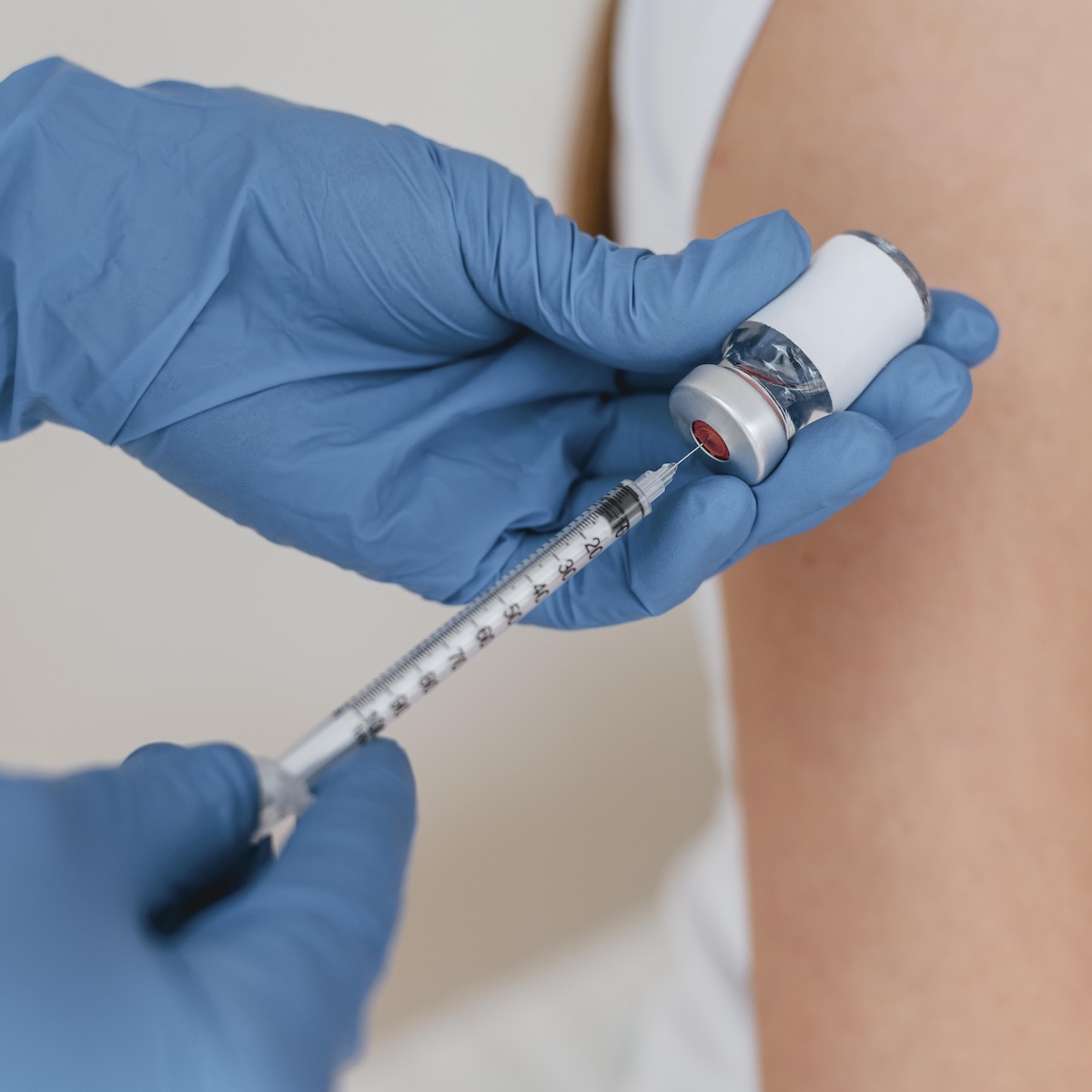
A cholesterol shot may mean a daily liquid supplement or a prescribed injection.
The right choice depends on lab values, medical history, diet quality, activity level, and inherited risk.
Jump to:
What the Shot Means
A cholesterol shot is a measured dose of a liquid or an injectable option used as part of lipid support.
Some products are taken by mouth daily, while prescription injections are administered by a clinician.
A Dose for cholesterol shot belongs within a wider plan that considers meals, movement, follow-up testing, medication use, and cardiac risk.
Why Cholesterol Matters
Cholesterol is a fatty compound that the body needs in small amounts. Trouble begins when low-density lipoprotein stays high for too long.
Those particles can enter the artery lining, trigger plaque growth, and restrict blood flow.
High-density lipoprotein helps carry unused fats back to the liver, where they can be processed and cleared.
What Blood Tests Show
A lipid panel typically reports total cholesterol, low-density lipoprotein, high-density lipoprotein, and triglycerides. Each value tells part of the story.
Clinicians read those results alongside blood pressure, age, weight, tobacco exposure, diabetes status, kidney function, and family history. A single isolated marker rarely provides enough context for a sound decision.
How It May Help
A cholesterol shot may help support healthier lipid handling, depending on its format.
Prescription injections can influence liver receptors or protein pathways that affect the removal of low-density lipoprotein.
Liquid supplements may provide plant compounds, antioxidants, or nutrients linked to normal metabolic balance.
Benefit depends on baseline levels, consistent use, and the quality of the broader care plan.
Daily Habits Still Count
No shot can replace the fundamentals of cardiovascular care. Soluble fiber from oats, beans, lentils, apples, and vegetables helps bind bile acids during digestion.
Regular walking, cycling, swimming, or resistance training improves vascular function and insulin sensitivity.
Reducing fried foods, processed meats, refined grains, and sweet drinks also lowers strain on lipid metabolism.
Who May Consider One
People with elevated blood fats may discuss shot-based support with a qualified clinician.
Extra caution is needed after a heart event, during pregnancy, with liver disease, or while using prescription medicine.
Family hypercholesterolemia, diabetes, high blood pressure, and smoking history also change the risk. A professional review helps match the option to the person.
What Ingredients May Do
Some liquid cholesterol shots contain turmeric, pomegranate peel, coenzyme Q10, or related compounds.
These ingredients are often studied for antioxidant activity, inflammatory balance, or endothelial support.
Labels should show serving amounts, active components, and suggested use. Clear information helps a clinician assess whether the product fits current treatment and health goals.
How Fast Results Appear
Lipid changes usually take weeks to months, not a few days. Many clinicians repeat testing after a defined period to judge progress. Missed servings or inconsistent habits can blur the results.
A simple log of meals, exercise, symptoms, and product use helps show which changes are making a measurable difference.
Safety Basics
A cholesterol shot should be chosen carefully, even when sold as a supplement. Side effects vary by ingredients, dose, format, and personal health status.
Prescription injections may cause injection-site soreness, muscle symptoms, or other reactions.
Supplements can interact with medicines, so professional guidance is important before combining products with treatment.
Reading Product Claims
Useful claims should refer to measurable lipid markers, such as low-density lipoprotein, high-density lipoprotein, or triglycerides. Broad promises without data deserve caution.
Strong labels explain the serving size, the purpose of each ingredient, the use schedule, and the expected timeline.
Consumers should favor transparent testing, realistic language, and evidence that can be discussed during a medical visit.
- Parents Are Prioritising Breathable, Sustainable Fabrics For Children's Seasonal Sleepwear
- Our Homemade Christmas Printables, Made With AI: What Worked, What Didn't, and What I'm Saving for Next Year
- At-Home vs. In-Lounge IV Therapy in the Hudson Valley: Which Makes More Sense?
- Can Passengers Pursue Compensation After a Car Accident?




Conclusion
A cholesterol shot can support a heart health plan, but it works best when paired with proven daily care.
Lab testing shows progress better than guesswork, and clinical guidance keeps decisions grounded in personal risk.
People should compare formats, review labels, and ask informed questions before starting.
With steady habits, appropriate follow-up, and careful product selection, this approach may help protect arteries and long-term cardiovascular function.





Leave a Reply