

Refreshing your living space does not require a massive renovation or a professional design team.
Small changes can often make the biggest impact on how a room feels and functions.
You can start with simple swaps that focus on texture, light, and personal style.
Jump to:
Swap Out Your Old Flooring Decor
Start from the ground up by looking at your rugs and mats. Exterior doormats take a beating and likely need to be replaced yearly at the end of winter.
A fresh mat creates a welcoming entry point for anyone walking through your front door.
Inside the home, rugs serve as the foundation for your furniture. You can use them to define different areas in an open floor plan. Layering a smaller, patterned rug over a larger neutral one adds depth to a living room.
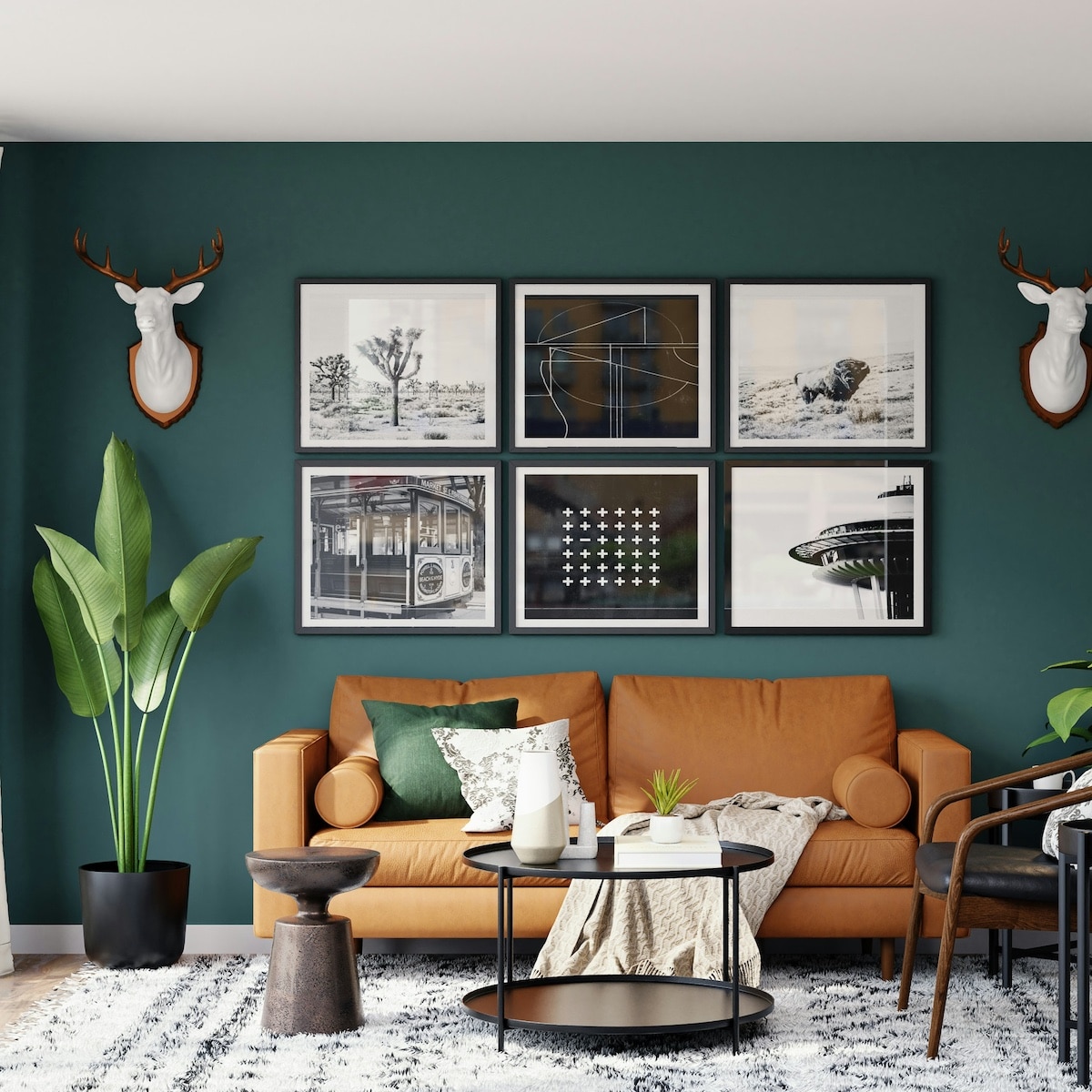
Create a Professional Gallery Wall
Personalising your walls is one of the best ways to make a house feel like a home.
You can order custom frames to display family photos or travel mementoes in a way that looks polished and intentional.
This simple project turns blank walls into focal points that tell your personal story.
People are leaning into this trend lately to express themselves. A recent report mentions that searches for personalised decor have soared by 313% recently.
Waterdale Collection explains that meaningful wall art that highlights your faith can honor your family legacy and create a space that feels “yours”.
Incorporate Natural Wood Elements
Wood adds a sense of warmth and permanence to any interior. Look for pieces that highlight the material's natural beauty rather than hiding it under heavy paint.
One design expert noted that hardwoods like oak and walnut show up in seating and consoles where the grain naturally tracks the curve.
You do not need to buy large furniture to get this look. Small wooden trays, bowls, or candle holders can bring that same organic feeling to your shelves.
Mixing different wood tones can also make a room feel more curated and less like a showroom.
Experiment with Modern Color Palettes
Color is the fastest way to change the mood of a room. If you are tired of plain white walls, look toward warmer earth tones that feel cozy and grounded.
Many designers are moving toward greens and terracottas to create balanced and natural interiors.
If you are not ready to paint an entire room, try using accents. You might try incorporating a warm and mellow brown to ground the space.
This shade works well for velvet throw pillows on a grey sofa or ceramic vases on a mantle.
Small area rugs in a hallway can also introduce this color without a huge commitment.
Use Technology to Set the Mood
Smart home features are no longer just about convenience - they are now a part of the design. You can use smart lighting and speakers to transform your home into an oasis of well-being.
Being able to dim the lights or change their tone with a phone app helps you transition from a work environment to a relaxing evening.
Many people find that air purifiers and smart blinds also contribute to a better living experience.
These items can be hidden within cabinets or behind curtains to keep the look clean.
This allows you to enjoy modern perks without cluttering your surfaces with cords and plastic devices.
Focus on DIY Improvements
Taking on a project yourself can be rewarding and cost-effective. Most people who tackle their own home projects feel very positive about the results.
Statistics show that about 87% of DIYers feel confident they will get a good return on investment for their projects.
Simple DIY tasks include painting old furniture or replacing cabinet hardware.
You can find unique knobs and pulls at thrift stores or online shops. These tiny details change the entire look of a kitchen or bathroom for very little money.
- Paint the interior of a bookshelf a bold color.
- Update light fixtures with modern shades.
- Install a new shower head for a spa feel.
- Add a backsplash using peel-and-stick tiles.
- Hang floating shelves for extra storage.
Add Bold Accent Colors
While neutrals are safe, a single bold color can give a room a modern edge. Some experts have seen a rise in "sour" green as a defining accent in current home styles.
This shade works best in small doses, such as a single piece of art or a decorative glass bottle.
If green is not your style, try a deep navy or a burnt orange. These colors provide a nice contrast to white walls and light wood floors. The goal is to create visual interest without overwhelming the senses.
Optimize for Remote Work
Since many people still work from home, a functional office is a necessity. Modern decor trends reflect the demand for home offices and flexible partitions.
You can use bookshelves or folding screens to separate your workspace from your living area.
Choosing a desk that matches your dining table can help the room feel cohesive. Use a stylish chair that offers support but does not look like a standard office seat.
Cable management boxes are also helpful for hiding the mess of wires that come with computers.
- Behind the Science of Modern Skincare: How Research Labs Study Bioactive Peptides in Cell-Culture Models
- What Are the Key Steps for Starting ABA Therapy in Maryland for Autism?
- A Busy Family’s Guide to Keeping the Plumbing Happy
- How to Grow a Home-Based Business Without Putting Your Family Budget at Risk


Updating your home is a continuous process of refinement. It is about finding the balance between what is trendy and what makes you feel comfortable.
By focusing on quality materials and personal touches, you can create a space that evolves with your lifestyle.




Leave a Reply