

Creative Ways to Prevent Household Pests Early begins with proactive thinking and consistent home maintenance. Simple steps like sealing entry points, decluttering storage areas, and maintaining clean kitchens can make a big difference.
Using natural repellents such as peppermint oil, citrus peels, or vinegar solutions can deter common invaders like ants and spiders without harsh chemicals.
Regularly inspecting basements, attics, and outdoor spaces helps catch early signs of infestation before they spread.
Preventive pest control is not just about reacting; it’s about creating an environment where pests don’t stand a chance.
If you want to learn more about prevention and professional solutions, Pest Control Citrus County offers expert advice and effective measures to safeguard your home.
Staying one step ahead of pests doesn't mean relying solely on chemical products; instead, it involves a thoughtful mix of natural solutions, consistent cleanliness, and long-term maintenance.
Whether dealing with seasonal invaders or year-round challenges, a proactive approach can keep your living spaces healthier and more secure.
Developing these habits now can save you time and money in the future, while reducing the need for harsh chemical treatments that may impact your home environment.
Jump to:
Natural Deterrents: Mushrooms and Essential Oils
Natural deterrents are one of the more innovative approaches to household pest prevention.
Certain mushrooms, such as shiitake and oyster, contain natural compounds that deter pests like aphids and slugs.
By steeping dried mushrooms in water and using the resulting liquid as a spray, you can provide a non-toxic shield for your indoor and outdoor plants.
While mushrooms target specific garden pests, indoor areas often benefit from essential oils such as peppermint, lavender, and eucalyptus. Many insects, including ants and spiders, dislike these oils.
Creating your spray by adding several drops of essential oil to water and misting high-risk entry points makes for an easy, chemical-free repellent.
Beyond their pleasant scents, essential oils can be a robust defence when used regularly.
Door frames, windowsills, and baseboards are all excellent places to target with an essential oil spray to keep bugs at bay.
If your garden or landscape needs extra help, consider pairing mushroom-based solutions with essential oil sprays to create overlapping layers of defense.
Scenic City professionals providing efficient Wildlife Removal Chattanooga TN, suggest that securing your yard's perimeter is just as important as protecting the plants themselves.
Combining natural deterrents with proper exclusion fencing helps keep curious animals from disturbing your outdoor spaces.
For additional details on the efficacy of natural pest repellents and recipes, consult the expert-backed advice offered by Wirecutter’s pest control guide.
Maintaining Cleanliness and Proper Food Storage
It’s difficult to overstate the importance of cleanliness in proactive pest prevention.
Most pests are opportunists, attracted by crumbs, food residue, and accessible garbage.
Scheduling regular cleaning tasks, such as vacuuming, wiping surfaces, and promptly washing dishes, minimizes these attractants.
Small changes, like not leaving pet food out overnight, can make a noticeable difference in deterring rodents and insects.
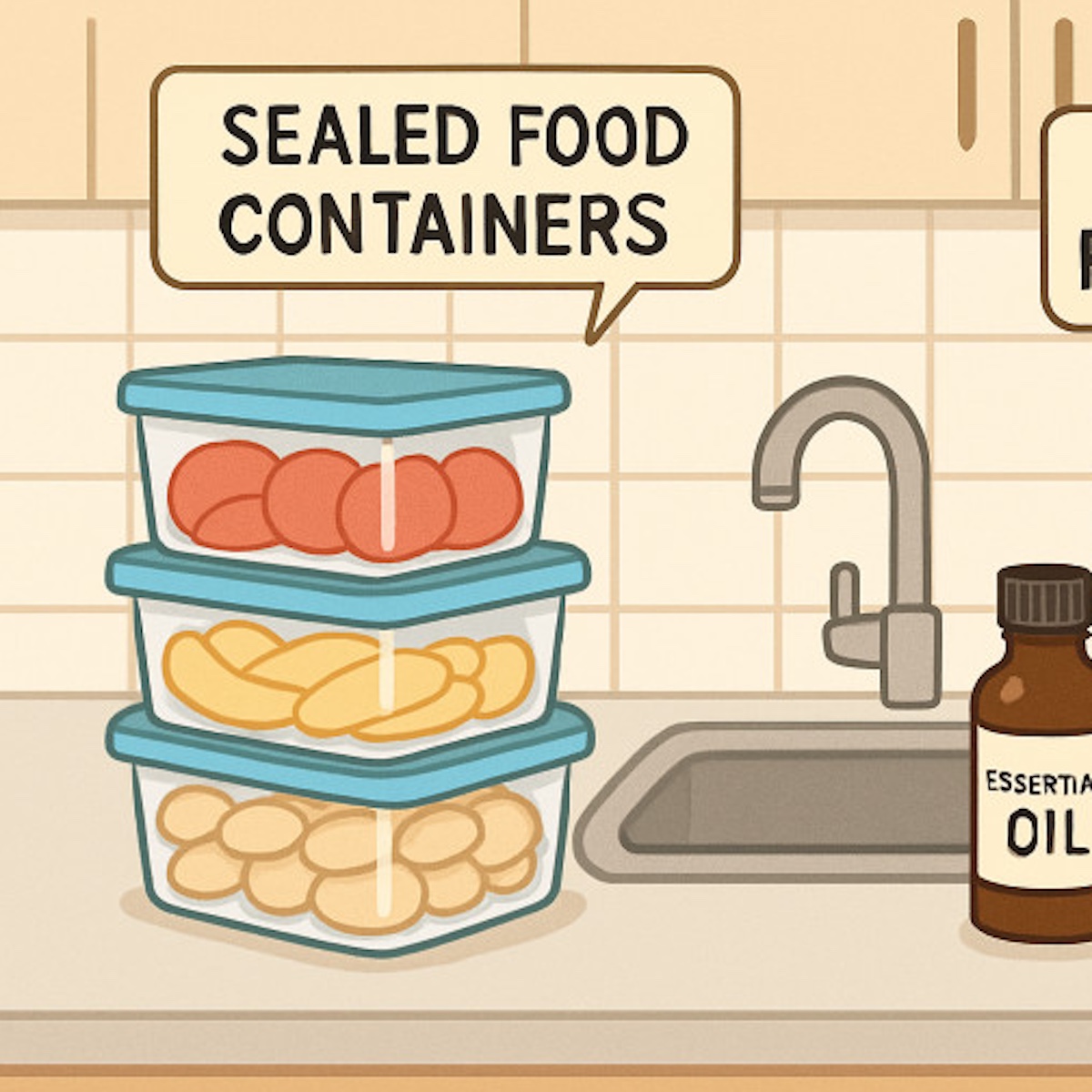
The way food is stored is also crucial. Airtight containers are a reliable solution for keeping grains, snacks, and baking ingredients fresh while making them inaccessible to pests.
Regularly checking expiration dates and discarding expired items will further limit food sources.
Pay particular attention to pantries, cabinets, and other dark spaces where food items are often forgotten; if neglected, these can easily become hotspots for infestation.
🤖 Looking For An Answer?
Ask AI to summarise this post to see if the article answers your questions:
Sealing Entry Points and Managing Moisture
Many common household pests use small cracks and openings to access your home.
Taking the time to carefully inspect and seal gaps around doors, windows, utility lines, and foundation walls can drastically reduce the chance of a pest invasion.
High-quality caulk and weatherstripping are cost-effective solutions for filling these entry points.
For areas requiring more robust protection, such as garages or basements, consider steel wool or mesh, which effectively blocks rodents and insects.
Moisture is another important factor in pest prevention, as damp environments attract cockroaches, termites, silverfish, and more.
Inspect your plumbing regularly, repair leaks, and use dehumidifiers in wet areas like basements and laundry rooms.
Keeping gutters and downspouts clear will direct water away from your home’s foundation and reduce moisture-related risks.
For more actionable advice on keeping household pests out, explore Better Homes & Gardens' guide to pest removal.
Incorporating Pest-Resistant Plants and Natural Predators
Your garden and yard are the first defense against many household pests. You naturally limit insect invasions by choosing pest-resistant plants such as basil, mint, lavender, marigold, and rosemary.
These plants emit compounds that deter common pests while adding color and fragrance to outdoor spaces.
Planting these varieties near entryways, windows, and patios creates a living barrier that protects your interior spaces.
Beyond plant selection, encouraging populations of beneficial insects is another effective, eco-friendly solution.
Ladybugs and praying mantises feast on aphids, mites, and other pests that threaten your garden.
Avoiding broad-spectrum pesticides preserves these natural allies, supporting a balanced ecosystem in your yard that can keep pest populations in check without intervention.
- Parents Are Prioritising Breathable, Sustainable Fabrics For Children's Seasonal Sleepwear
- Our Homemade Christmas Printables, Made With AI: What Worked, What Didn't, and What I'm Saving for Next Year
- At-Home vs. In-Lounge IV Therapy in the Hudson Valley: Which Makes More Sense?
- Can Passengers Pursue Compensation After a Car Accident?









Leave a Reply