

Las Vegas presents a unique and volatile mix of driving conditions compared with those in other major metropolitan areas.
It’s not just the sheer volume of cars; it’s the constant confluence of high-speed local commuters mixing dangerously with disoriented, often vacation-minded tourists.
The rhythm of the roads is unpredictable, characterised by sudden braking and erratic manoeuvring from drivers unfamiliar with the complex freeway interchanges or the Strip’s confusing, slow-moving traffic patterns.
The city’s reputation for nonstop entertainment and lax inhibitions directly translates into higher risk on the pavement, especially after dark.
This is a place where every driver on the road, local or visitor, operates under unique circumstances that make focus challenging and reaction times slow.
This creates a volatile environment where small mistakes quickly escalate into serious collisions.
This heightened risk profile means drivers must shed their habitual complacency and adopt hyper-vigilant defensive driving techniques to navigate the city safely. Knowing what makes these streets so dangerous is the first step in self-protection, significantly lowering your car crash odds in the Las Vegas area.
Jump to:
Tourist Traffic and Distracted Visitors
A large share of Las Vegas's driving population consists of tourists who are often fatigued, disoriented, or focused on finding their hotel or next destination.
They are unfamiliar with local traffic laws, lane designations, and turn restrictions, leading to sudden, unexpected stops in fast-moving lanes or dangerous, last-second lane changes across multiple lanes of traffic.
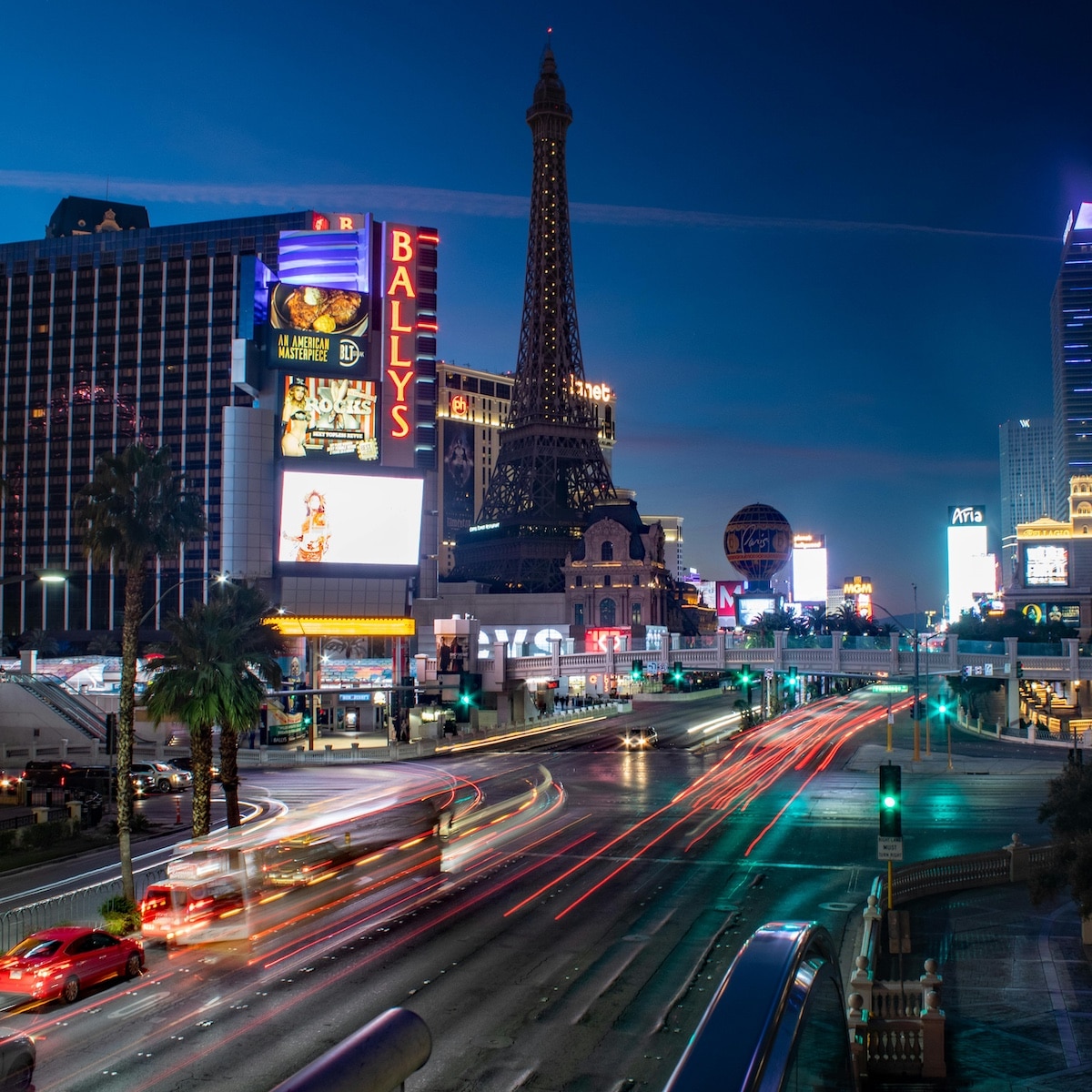
This distraction is amplified by the dazzling visual environment of the Strip itself.
Billboards, flashing lights, and pedestrian activity constantly divert drivers' attention from the road, creating visual clutter that overloads the cognitive process.
A driver attempting to locate a casino entrance is not paying attention to the red light ahead.
The combination of unfamiliarity, sightseeing distractions, and the mental energy required to navigate the city's unique layout creates a significant traffic hazard for tourists.
Locals need to constantly anticipate these non-standard movements and react defensively to prevent becoming collateral damage in someone else's vacation oversight.
High-Speed Roadway Design and Congestion
Las Vegas’s core freeway system, particularly Interstate 15, is designed for high-speed travel but is consistently congested.
This gap between speed limit expectations and gridlock reality creates a dangerous environment in which drivers constantly tailgate and speed aggressively to make up time, especially during peak commuter hours.
The problem is exacerbated by the design of on-ramps and off-ramps, which often lead directly into the central casino corridor where traffic quickly slows to a crawl.
Drivers entering these congested areas from a high-speed highway often fail to reduce their speed quickly enough, leading to preventable rear-end collisions at high impact speeds.
Furthermore, the wide, multi-lane surface streets, such as Charleston Boulevard or Tropicana Avenue, encourage high speeds.
When coupled with sudden, unexpected congestion or turning vehicles, these arterial roads become collision hotspots, with severe impacts due to the involved velocities.
🤖 Looking For An Answer?
Ask AI to summarise this post to see if the article answers your questions:
Drunk Driving and Nightlife Factors
The city's reputation as a 24-hour party destination directly correlates with significantly higher rates of driving under the influence (DUI) compared to many other US cities.
The sheer number of bars, casinos, and late-night establishments means there’s a persistent presence of impaired drivers on the roads throughout the night and into the early morning hours.
Drunk driving incidents are statistically more likely to result in fatal or serious injury crashes because the impaired driver has diminished reaction time, poor judgment regarding speed and distance, and is less likely to wear a seatbelt.
These are not minor fender-benders; these crashes are often catastrophic and involve reckless behaviour, such as driving against traffic or running major intersections.
Even drivers who are not legally impaired may be operating with significant fatigue or distraction due to the late hours associated with nightlife activities.
The general atmosphere of revelry and reduced personal responsibility translates into reduced caution on the road, making the risk of a high-impact collision a constant concern after sunset.
Reducing Personal Risk as a Driver
The most effective way to protect yourself on Vegas roads is to recognise that you are operating in a highly compromised environment and adjust your personal habits accordingly.
Your primary focus must shift from merely obeying the law to anticipating and mitigating the poor decisions of other drivers, especially tourists and impaired individuals.
This means maintaining significantly more distance from the vehicle ahead, particularly near casino exits or major hotels.
Be exceptionally wary of vehicles that appear to be slowing abruptly or drifting between lanes, which signals an uncertain or distracted driver who might execute a spontaneous manoeuvre.
Additionally, avoid driving late at night or early in the morning, especially on weekends, when impaired driving rates are highest.
If you must drive during high-risk periods, maintain heightened awareness at all intersections, even when the light is green.
Assuming other drivers will make dangerous mistakes is the best form of defence in this city.
- Parents Are Prioritising Breathable, Sustainable Fabrics For Children's Seasonal Sleepwear
- Our Homemade Christmas Printables, Made With AI: What Worked, What Didn't, and What I'm Saving for Next Year
- At-Home vs. In-Lounge IV Therapy in the Hudson Valley: Which Makes More Sense?
- Can Passengers Pursue Compensation After a Car Accident?




Conclusion Awareness Saves Lives
The roads in and around the city of Las Vegas carry a distinct and elevated risk due to a perfect storm of factors: distracted tourists, high-speed freeway congestion, and a heavy concentration of impaired driving related to the 24-hour nightlife economy. Complacent driving isn't an option here.
We've covered how to spot the risks posed by disoriented vacationers who make sudden, unpredictable movements and analysed the dangers created by high-speed roadways that quickly bottleneck.
We also detailed how the city's nightlife environment contributes to a critical risk from impaired drivers operating outside typical hours.
Ultimately, awareness saves lives. By recognising these unique environmental hazards and adopting disciplined, defensive driving habits, such as increasing following distance and avoiding high-risk driving hours, you can significantly improve your safety.
Your vigilance is the only reliable defence against the unpredictable nature of Vegas traffic.





Leave a Reply