

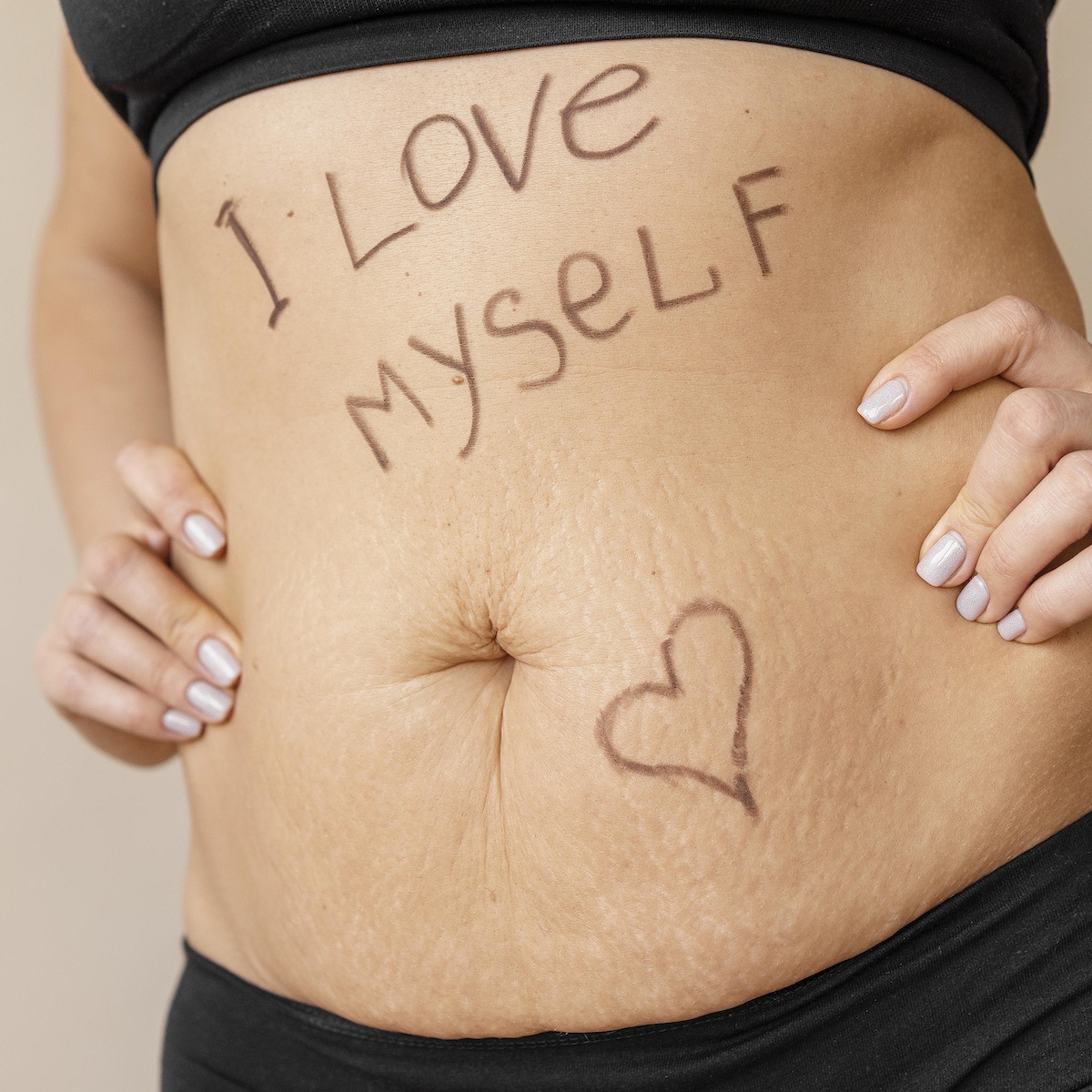
The abdomen is one of the hardest areas of the body to “reset.” You can eat well, exercise consistently, and still struggle with loose skin, muscle separation, or a lower belly that doesn’t respond to effort.
For many people in Denver, these changes appear after pregnancy, significant weight loss, or simply with time.
What’s frustrating is that these aren’t signs of failure; they’re structural changes that lifestyle alone can’t always correct.
This is where the conversation around tummy tucks often begins. Not as a cosmetic impulse, but as a practical question: Why doesn’t my body feel the way it used to, even though I’m doing everything right?
Understanding what a tummy tuck actually does, and what it doesn’t, helps separate realistic expectations from common myths and makes the decision far more grounded.
Jump to:
What a Tummy Tuck Actually Is
A tummy tuck, medically known as abdominoplasty, is a surgical procedure that reshapes the abdominal area by addressing excess skin, weakened muscles, and stubborn tissue that do not retract on their own.
Despite common assumptions, it’s not a weight-loss procedure. Instead, it’s a body-contouring surgery designed to restore structure and firmness.
For example, individuals researching a tummy tuck in Denver often come across practices such as that of Dr Diane Duncan, where the procedure is explained as a way to repair abdominal muscle separation and remove redundant skin, particularly after pregnancy or major weight changes.
This framing helps clarify that a tummy tuck is about repair and support, not chasing an idealised body.
A tummy tuck typically involves:
- Removing excess, non-elastic skin.
- Tightening separated abdominal muscles.
- Repositioning the remaining skin for a smoother contour.
The result is a flatter, firmer abdominal profile that better aligns with the body’s current health and lifestyle.
Why People Choose a Tummy Tuck
The reasons people consider a tummy tuck are often deeply personal and rarely superficial. Most decisions come after realising that certain physical changes are permanent without surgical intervention.
Common motivations include:
- Post-pregnancy changes, especially muscle separation (diastasis recti).
- Significant weight loss, leaving behind loose skin.
- Aging, which reduces skin elasticity over time.
- Physical discomfort, such as irritation or posture strain.
- Clothing fit issues, where garments never sit quite right.
For many, the choice isn’t about looking “perfect,” but about feeling more comfortable and confident in everyday life.
What the Procedure Involves
A tummy tuck is performed under general anaesthesia and usually takes 2–4 hours, depending on the extent of correction needed.
The surgeon makes a carefully placed incision low on the abdomen, typically below the underwear line, to minimise visibility.
Key steps include:
- Repairing and tightening abdominal muscles
- Removing excess skin and tissue
- Redraping the skin to create a smoother contour
- Repositioning the navel when necessary
The approach is customised, as no two abdomens or goals are the same.
Recovery: What to Expect and How Healing Progresses
Recovery from a tummy tuck requires patience, but most people find it manageable with proper planning.
A. Early Recovery (Weeks 1–2)
- Swelling, tightness, and limited movement are normal.
- Light walking is encouraged to support circulation.
- Support garments help reduce swelling and protect healing tissues.
B. Mid-Recovery (Weeks 3–6)
- Gradual return to daily activities.
- Noticeable improvement in contour.
- Reduced discomfort and increased mobility.
C. Long-Term Healing (2–6 Months)
- Swelling continues to resolve.
- Scars begin to soften and fade.
- Final results become more apparent.
Following post-operative instructions plays a major role in both comfort and outcome.
Who Is a Good Candidate for a Tummy Tuck?
A tummy tuck may be appropriate if you:
- Are at a stable, healthy weight.
- Have completed pregnancies.
- Experience loose skin or muscle separation.
- Are in good overall health.
- Have realistic expectations.
It’s often recommended to delay surgery until major body changes, such as future pregnancies or weight fluctuations, are unlikely.
How a Tummy Tuck Differs From Other Abdominal Treatments
Understanding what a tummy tuck does better than alternatives helps clarify expectations.
- Liposuction removes fat but does not tighten skin or repair muscles.
- Exercise strengthens muscles, but cannot close muscle separation or remove excess skin.
- Non-surgical tightening may help with mild laxity, but results are limited.
A tummy tuck is unique in its ability to correct both skin and muscle structure in one procedure.
Conclusion
A tummy tuck isn’t about shortcuts or unrealistic ideals; it’s about addressing structural changes that lifestyle alone can’t fix.
By repairing muscles, removing excess skin, and restoring abdominal contour, the procedure offers a long-term solution for people whose bodies have changed due to pregnancy, weight loss, or ageing.



Understanding what the surgery involves, why people choose it, and what recovery looks like helps turn a complex decision into an informed one.
When approached thoughtfully, a tummy tuck can be less about transformation and more about aligning how you feel with how your body supports you.





Leave a Reply