

It’s easy to fall in love with finishes.
The tile. The lighting. The statement staircase that makes guests pause mid-sentence.
But here’s the quiet truth most homeowners discover years later: trends fade. Value stays.
When building from the ground up, the smartest decisions aren’t always the flashiest ones. A seasoned Tulsa home builder understands that real long-term value isn’t about what photographs well today—it’s about what performs well for decades.
So what actually makes a home hold—and grow—its value?
Let’s look beyond the surface.
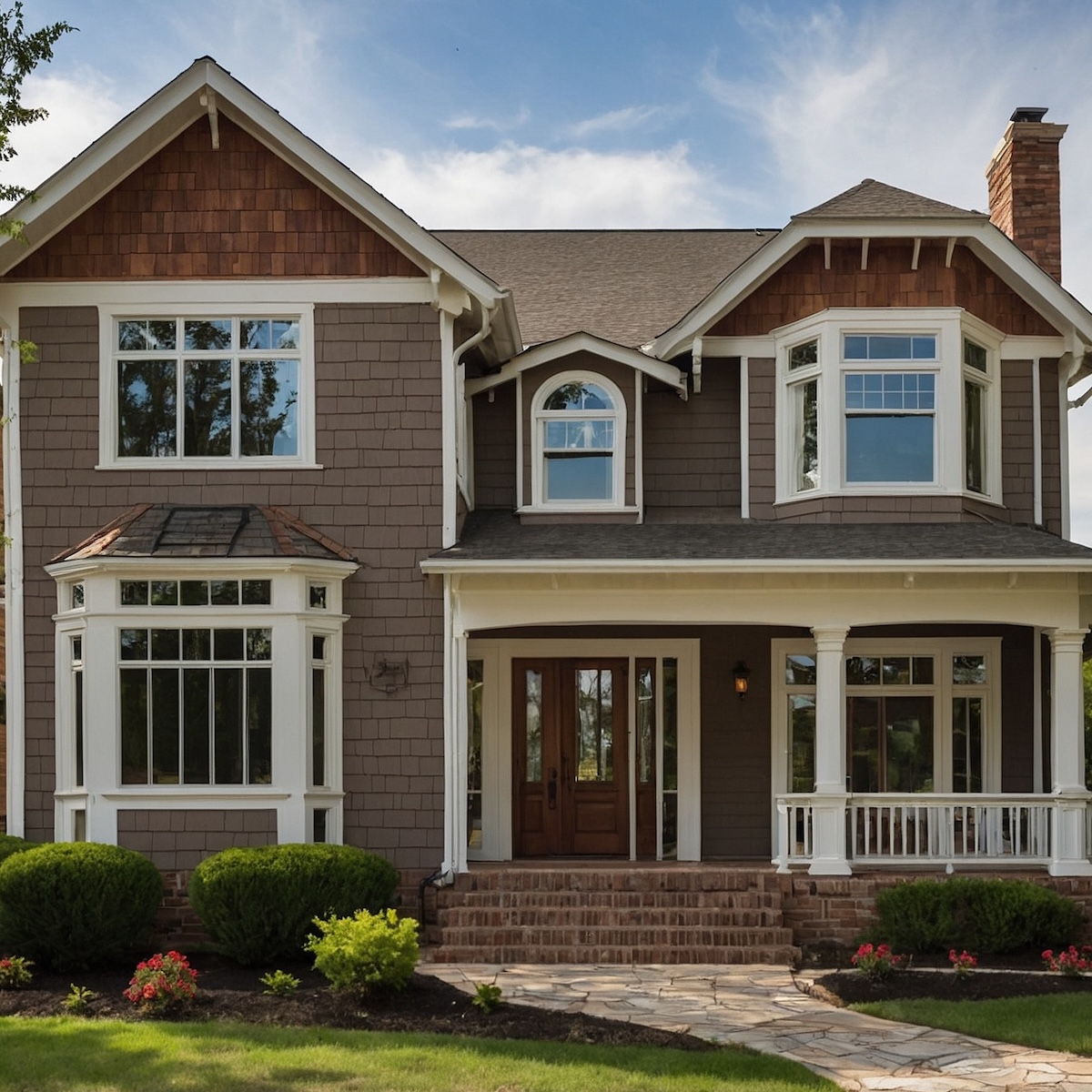
Start With the Floor Plan, Not the Fixtures
Layouts age better than décor.
Open-concept living remains popular, but thoughtful zoning within open spaces matters even more. Defined dining areas. Flexible office spaces. Bedrooms positioned away from high-traffic zones.
Buyers five, ten, even fifteen years from now will care less about paint color and more about how the home flows.
A knowledgeable Tulsa home builder prioritizes:
- Functional kitchen placement near gathering areas
- Smart traffic patterns
- Ample storage built into the design
- Future-flex rooms that adapt as needs change
Because families evolve. Homes should too.
Invest In Energy Efficiency Early
Energy performance isn’t a luxury anymore—it’s an expectation.
Well-insulated walls. High-performance windows. Energy-efficient HVAC systems. Smart thermostats. Proper attic ventilation.
These aren’t cosmetic upgrades. They reduce long-term operating costs and increase buyer appeal.
In Oklahoma’s climate—where summers are hot and winters unpredictable—energy efficiency directly impacts comfort and monthly expenses.
Homes built with efficiency in mind often stand out when it’s time to sell.
Location Inside The Lot Matters
Yes, location is everything. But placement on the lot matters too.
How does the home capture natural light? Where does the afternoon sun hit? Is the backyard shaded during peak heat hours?
Strategic orientation improves both comfort and utility costs.
Good design considers the environment—not just the blueprint.
Quality Materials Over Trend Cycles
It’s tempting to chase what’s popular on social media.
But durable materials deliver stronger returns.
Hardwood or high-quality engineered flooring over cheaper alternatives. Solid-core doors. Durable roofing systems. Reliable plumbing fixtures.
These details may not draw applause at the open house—but they reduce maintenance issues and improve resale confidence.
Buyers notice craftsmanship. Even subconsciously.
Kitchen and Bathroom Strategy
If there’s one place value concentrates, it’s here.
Kitchens and bathrooms remain top priorities for future buyers. But that doesn’t mean overbuilding for the neighborhood.
A Tulsa home builder with local market knowledge understands price ceilings in specific communities. The goal isn’t excess—it’s balance.
Mid-to-high quality finishes that align with surrounding home values create stronger long-term appreciation.
Function beats extravagance.
Storage Is Always In Style
Here’s a universal truth: no one ever complains about too much storage.
Walk-in pantries. Thoughtfully designed closets. Built-in cabinetry. Garage organization space.
Storage directly influences daily usability—and buyer perception later.
When designing for long-term value, practicality quietly wins.
Plan For Technology And Adaptability
Smart wiring infrastructure. Adequate electrical capacity. Dedicated office space.
Remote work trends have reshaped home expectations. Flexible design ensures your home remains relevant as lifestyle patterns shift.
Homes built with adaptability in mind age better than those locked into a single-use layout.
Work With A Builder Who Thinks Long-Term
The biggest value decision you make? Choosing the right builder.
A skilled Tulsa home builder doesn’t just construct walls—they advise on durability, market alignment, and future resale considerations.
They understand which upgrades deliver measurable return and which simply inflate costs.
Long-term value isn’t accidental. It’s strategic.
Final Thoughts
Designing a home is exciting. Personal. Emotional.
But the smartest builds balance personalization with practicality.
Strong layout. Efficient systems. Durable materials. Market awareness.
When those elements come together, you don’t just build a home for today.
You build one that holds its value tomorrow—and beyond.





Leave a Reply