

In an era where online reviews dominate consumer decision-making, trust remains paramount across all industries. This is especially true for significant operational equipment purchases impacting workplace safety, productivity, and compliance.
Industrial equipment procurement differs fundamentally from consumer purchases.
The relationship between buyer and supplier extends far beyond the initial transaction, often spanning years of maintenance, parts replacement, operator training, and eventual upgrades. Understanding trust helps business owners protect their operations and teams.
Jump to:
Transparency as the Foundation of Trust
Trust begins with transparency. Reputable equipment suppliers provide clear, detailed quotations that break down costs and include no hidden fees or surprise charges.
They explain warranty terms in plain language, disclose any limitations, and set realistic expectations about delivery timeframes.
This transparency extends to equipment history, too. When purchasing used or refurbished machinery, trustworthy dealers provide comprehensive service records and inspection reports.
Approach procurement with skepticism toward deals that seem too good to be true.
Significantly below-market pricing often signals compromised quality, questionable sourcing, or dealers who won't support their products post-sale.
The cheapest option frequently becomes the most expensive when accounting for frequent repairs, premature replacement, or safety incidents.
Proven Expertise and Industry Knowledge
Trustworthy suppliers demonstrate deep industry expertise. They understand the specific challenges your sector faces, whether you're managing a busy warehouse, a manufacturing facility, or a construction site.
This expertise manifests in their ability to recommend appropriate specifications, suggest workflow improvements, and anticipate issues before they become costly problems.
The best suppliers invest in ongoing training for their staff, ensuring they remain current with technological advancements, regulatory changes, and safety standards.
When you interact with a sales representative who can discuss load capacity calculations, fuel efficiency comparisons, or compliance requirements with authority, you're dealing with a professional organization that values competence over quick sales.
Ask potential suppliers about their experience with businesses similar to yours.
Case studies, references from comparable operations, and detailed knowledge of your industry's specific needs all indicate a supplier who has earned trust through demonstrated performance rather than marketing claims.
Commitment to After-Sales Support
The equipment procurement journey doesn't end at delivery. In fact, the post-sale period often defines the true value of a supplier relationship.
Trustworthy partners offer responsive maintenance services, maintain adequate parts inventory, and provide operator training that ensures safe, efficient equipment use.
Response time guarantees for service calls reflect a supplier's operational commitment to their customers.
Businesses can't afford extended downtime when critical equipment fails, so knowing your supplier can dispatch qualified technicians promptly provides peace of mind and operational security.
Some suppliers even offer loan equipment during major repairs, a policy that demonstrates genuine investment in customer success.
Regional Considerations for Australian Businesses
Geographic factors add unique dimensions to equipment procurement decisions in Australia.
The vast distances between major population centers affect delivery logistics, service response capabilities, and parts availability.
Local suppliers with established regional networks often outperform national chains in understanding these challenges and adapting their services accordingly.
Australian businesses must also navigate specific regulatory frameworks governing workplace safety, equipment certification, and environmental standards.
Suppliers who maintain current knowledge of WorkSafe requirements, Australian Standards compliance, and state-specific regulations provide value that extends beyond the equipment itself, they become compliance partners who help protect your business from penalties and liability.
Climate considerations influence equipment selection and maintenance too.
Operations in tropical Queensland face different challenges than those in temperate Victoria or arid Western Australia.
Suppliers who understand these regional variations recommend appropriate specifications and maintenance schedules that account for local conditions.
Making Trust-Based Decisions
When evaluating potential equipment suppliers, create a structured assessment framework.
Consider factors like years in business, customer retention rates, manufacturer certifications, service territory coverage, and financial stability.
Request references from current customers with similar operations, and follow up with those references to understand how the supplier performs during challenging situations.
Trust develops through consistent positive experiences over time.
Starting with a smaller initial purchase or a trial service agreement allows you to evaluate performance before committing to larger investments.
Pay attention to communication quality, problem-resolution effectiveness, and whether the supplier proactively offers insights that improve your operations.
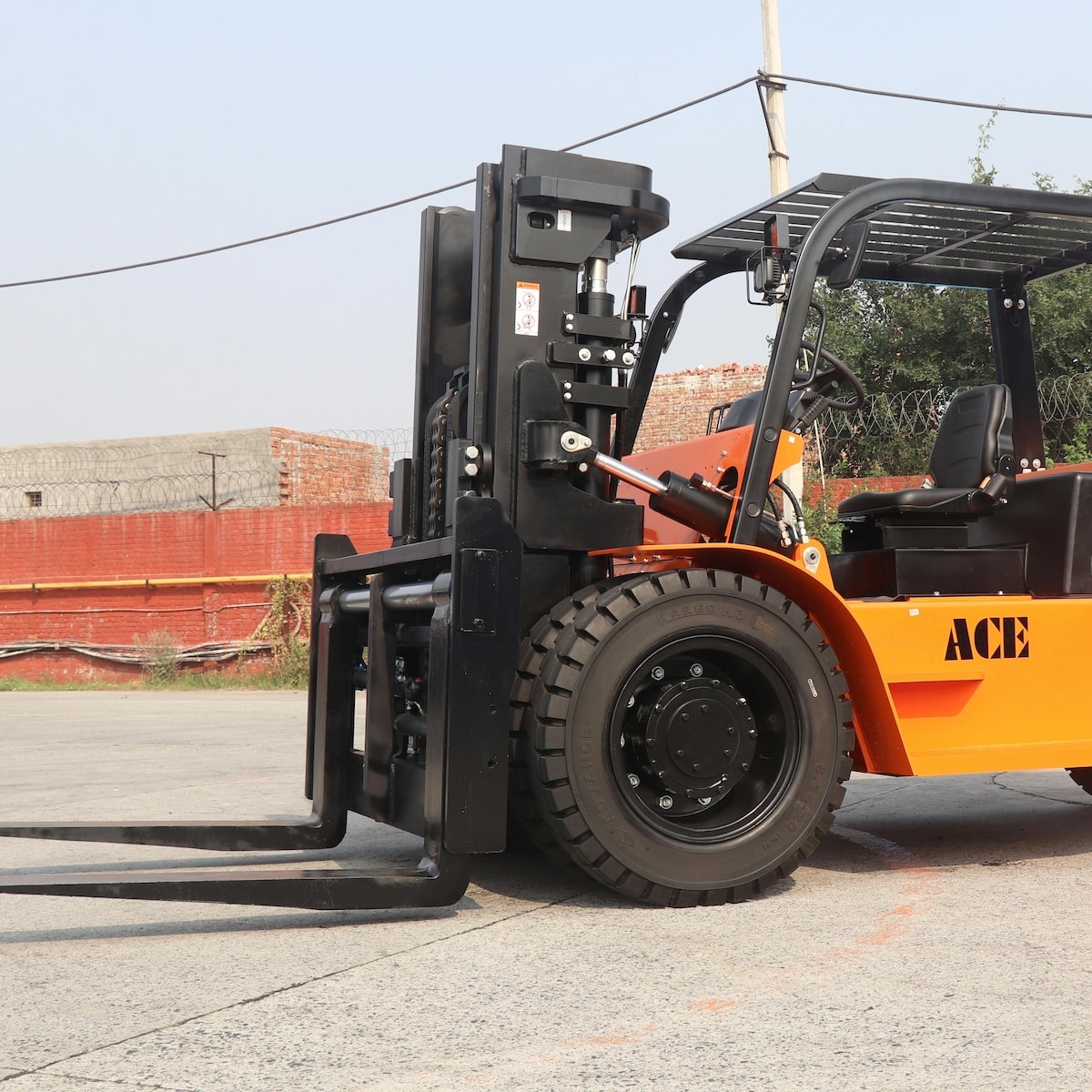
For Australian businesses seeking equipment partners who prioritize reliability and customer relationships, identifying trusted forklift dealers in australia represents a crucial step toward operational excellence.
The right partnership supports not just your current needs but your future growth and success.
Conclusion
Trust in industrial equipment procurement isn't merely a nice-to-have quality, it's a business imperative that affects safety, productivity, and financial performance.
- Parents Are Prioritising Breathable, Sustainable Fabrics For Children's Seasonal Sleepwear
- Our Homemade Christmas Printables, Made With AI: What Worked, What Didn't, and What I'm Saving for Next Year
- At-Home vs. In-Lounge IV Therapy in the Hudson Valley: Which Makes More Sense?
- Can Passengers Pursue Compensation After a Car Accident?




By prioritizing transparency, expertise, after-sales commitment, and regional understanding, business owners establish partnerships that deliver value throughout the equipment lifecycle.
The most successful operations recognize that their supplier relationships are strategic assets worth careful cultivation and ongoing evaluation.





Leave a Reply