

Every journey we take carries echoes of the past. The cobblestone streets we walk, the monuments we photograph, and the stories locals share all connect us to moments that shaped civilization.
Travel becomes more meaningful when we understand the historical threads woven into each destination.
Whether exploring ancient ruins or visiting preserved landmarks, we're not just tourists passing through; we're participants in an ongoing narrative that spans generations.
In places like Pigeon Forge, Tennessee, history transforms ordinary trips into profound experiences that stay with us long after we return home.
Jump to:
Immersive Experiences That Bring the Past to Life
Modern travellers crave authenticity. We want to feel the weight of history, not just read about it in guidebooks.
Museums have evolved beyond static displays to create environments where visitors step directly into historical moments.
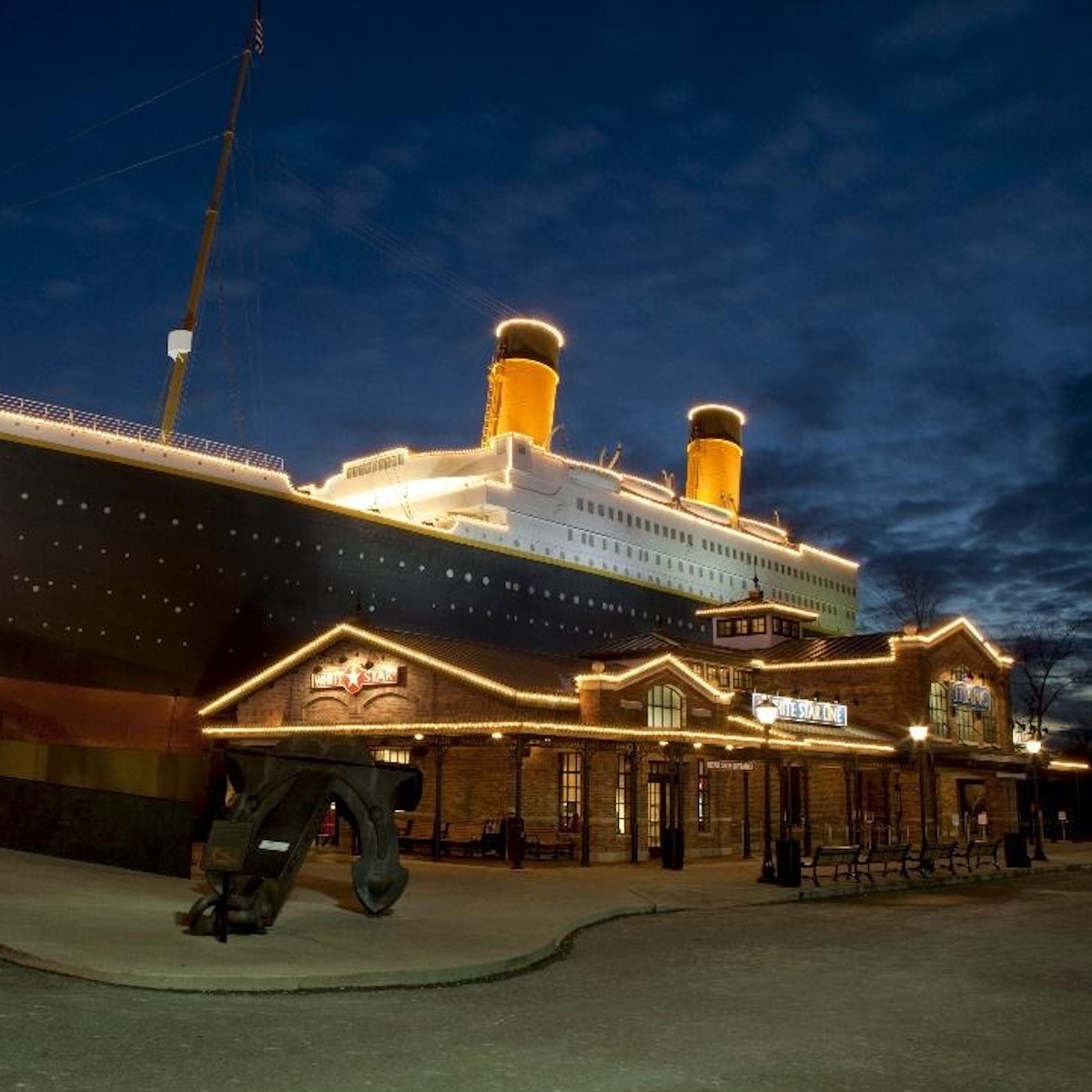
The Titanic Museum in Pigeon Forge exemplifies this approach perfectly. This two-story museum is filled with 400 artefacts directly from the ship and its passengers, alongside other carefully curated exhibits.
Upon arrival, you'll receive a boarding pass of an actual passenger or crew member, instantly connecting you to a real person who lived through that fateful voyage.
The self-guided tour is a must-see experience to learn about the ill-fated ship, offering intimate glimpses into both the luxury and tragedy that defined that April night in 1912.
Walking through recreated rooms and seeing the artefacts in person creates a visceral understanding that no textbook can match.
When Buildings Become Time Capsules
Structures tell stories without uttering a single word. When we travel to cities rich in architectural diversity, we're essentially walking through a three-dimensional history book.
Each style represents not just aesthetic choices but the values, technologies, and social structures of its era.
Observing how styles shift from one neighborhood to another reveals patterns of immigration, economic change, and cultural evolution.
The materials used, the height of structures, and the decorative elements all reflect what societies valued and what technologies they possessed during different periods.
Walking through historic districts lets us witness how human ambition and capability evolved over time, with each generation leaving its mark on the landscape.
Where History Changed Course
Few places carry historical weight as powerfully as sites where pivotal moments unfolded. These landscapes witnessed times when the course of nations changed in hours or days.
Walking across these grounds, now peaceful and often beautiful, creates a striking contrast with the events they once hosted.
These locations represent turning points where individual courage and collective sacrifice altered the course of history. Visiting them offers a perspective that goes beyond dates and numbers.
You see the actual terrain where events unfolded, understand the challenges people faced, and feel the profound human cost of those moments.
These visits often transform how we think about the past and the price of the present we enjoy.
Food as a Window into the Past
Cuisine connects us to history in the most immediate, sensory way possible.
Traditional dishes often originated from historical circumstances: ingredients available in a region, preservation methods before refrigeration, or meals that sustained workers through long days.
Every regional speciality has a backstory involving geography, economics, migration, and adaptation.
When you taste authentic local food prepared using centuries-old techniques, you're experiencing history through flavor.
The spices traders carried across continents, the cooking methods developed before modern appliances, and the recipes passed down through generations all tell stories of human ingenuity and cultural exchange.
Seeking out these authentic culinary experiences turns meals into history lessons that engage all your senses.
Family-run establishments often serve dishes exactly as their ancestors did decades or even centuries ago, preserving flavors that might otherwise disappear.
The act of sharing a meal prepared with historical recipes creates a direct connection to the people who first created these dishes out of necessity, celebration, or survival. Food becomes a bridge across time, allowing us to literally taste the past.
Living Traditions That Span Generations
Some of the most powerful historical travel experiences involve engaging with communities whose histories span centuries.
These encounters remind us that history isn't just about the past; it's a living continuum. Communities worldwide maintain traditions, languages, and knowledge systems that connect directly to ancient roots.
Participating in cultural ceremonies, learning traditional crafts, or simply listening to storytellers provides historical perspectives that conventional displays cannot replicate.
These experiences challenge us to reconsider whose stories get told and preserved, broadening our understanding of how different cultures perceive and value their pasts.
Witnessing how younger generations keep these practices alive while adapting them to modern contexts reveals the dynamic nature of cultural heritage.
The songs, dances, and rituals performed today carry meanings and memories that stretch back through countless generations.
These living connections to the past remind us that history isn't frozen in time but continues to evolve and influence how communities define themselves.
Finding Yourself in History's Pages
The most memorable historical travels often involve unexpected personal connections.
Finding your family name in an immigration registry. Visiting places your grandparents described in old letters.
Discovering that a historical figure you've studied shares your birthday or profession. These moments of resonance transform abstract history into something deeply personal.
Even without direct ancestral ties to a place, we can find connections through shared human experiences: love, loss, ambition, fear.
Reading the diary entries of travelers from another era and recognizing your own anxieties.
Seeing photographs of families from a century ago and noticing the same dynamics present in your own. History becomes meaningful when we recognize ourselves in it.
Travel shaped by historical awareness enriches us in ways that conventional tourism cannot match.
We return home not just with photographs and souvenirs but with expanded perspectives on human resilience, creativity, and folly.
- Parents Are Prioritising Breathable, Sustainable Fabrics For Children's Seasonal Sleepwear
- Our Homemade Christmas Printables, Made With AI: What Worked, What Didn't, and What I'm Saving for Next Year
- At-Home vs. In-Lounge IV Therapy in the Hudson Valley: Which Makes More Sense?
- Can Passengers Pursue Compensation After a Car Accident?




Understanding the layers of history beneath our feet makes us more thoughtful travelers and more informed global citizens.
Every destination becomes a classroom without walls, every preserved structure a teacher, every artifact a direct link to lives lived before us.





Leave a Reply