

Planning a vacation with kids can feel surprisingly complicated. You start with a simple idea. Maybe a beach trip, maybe a city break.
Then the list of things to organize begins to grow.
- Tickets
- Accommodation
- Clothes
- Snacks
- Entertainment for the journey
- Documents
- Spare socks
Suddenly you’re packing like you’re preparing for a small expedition. Parents know this feeling well.
The funny thing is that family travel doesn’t actually have to be stressful. A little preparation changes everything.
One detail that often sneaks up on families is travel documents. It’s easy to assume everything is ready, only to realize a few days before departure that a passport has expired or that a visa requires a specific photo format.
Fortunately, some of this can be done at home now. For example, you can learn how to print passport photos at home instead of rushing to a photo studio at the last minute.
In many countries, passport or visa applications can also be submitted online through official government websites.
Once the paperwork is under control, planning the rest of the trip becomes far more pleasant.
Below are five practical tips that can make travelling with kids smoother, calmer, and, honestly, much more fun.
Jump to:
1. Start With a Loose Plan
Some people love spontaneous travel. With children, though, a little structure helps. This doesn’t mean building a strict schedule. Quite the opposite. Think of it more like a simple framework for the day.
Pick one main activity. That’s usually enough. Maybe you visit a museum in the morning. Or explore a local market. Or spend a few hours at the beach.
After that, keep the rest of the day flexible. Kids need time to rest, snack, explore random corners, or simply run around.
A good rule is to alternate busy days with slower ones. If yesterday involved a long walk through a historic city center, today could include a park or a beach.
When looking for family-friendly attractions, Tripadvisor can be a useful starting point. Reading reviews from other parents helps you quickly see whether a place is actually enjoyable for children or just appealing in photos.
And always check opening hours. Always. Nothing drains excitement faster than arriving somewhere with enthusiastic kids… and discovering a locked door.
2. Book Accommodation Before You Arrive
Booking accommodation in advance removes stress and gives you time to choose places that work well for families. Certain details make a big difference. A family room. Extra beds. Breakfast included. Maybe even a small kitchenette.
A kitchen might sound like a luxury, but it can be incredibly helpful when traveling with kids. Simple things like preparing a quick breakfast or heating up food suddenly become easy.
Location matters too. Staying near public transport saves energy. Staying near a park or playground can be even better.
After a long day of sightseeing, kids often still have energy to burn. Being able to walk five minutes to a playground can completely change the evening.
Platforms like Booking.com make it easy to filter for family-friendly accommodations. Reviews from other travelers also give a clearer picture of what to expect.
The same idea applies to activities. If you already know you want to visit a theme park, museum, or famous attraction, buying tickets in advance can save a surprising amount of time.
3. Pack Earlier Than You Think You Need To
Packing is one of those things that always seems easier tomorrow. Until suddenly tomorrow is the night before departure.
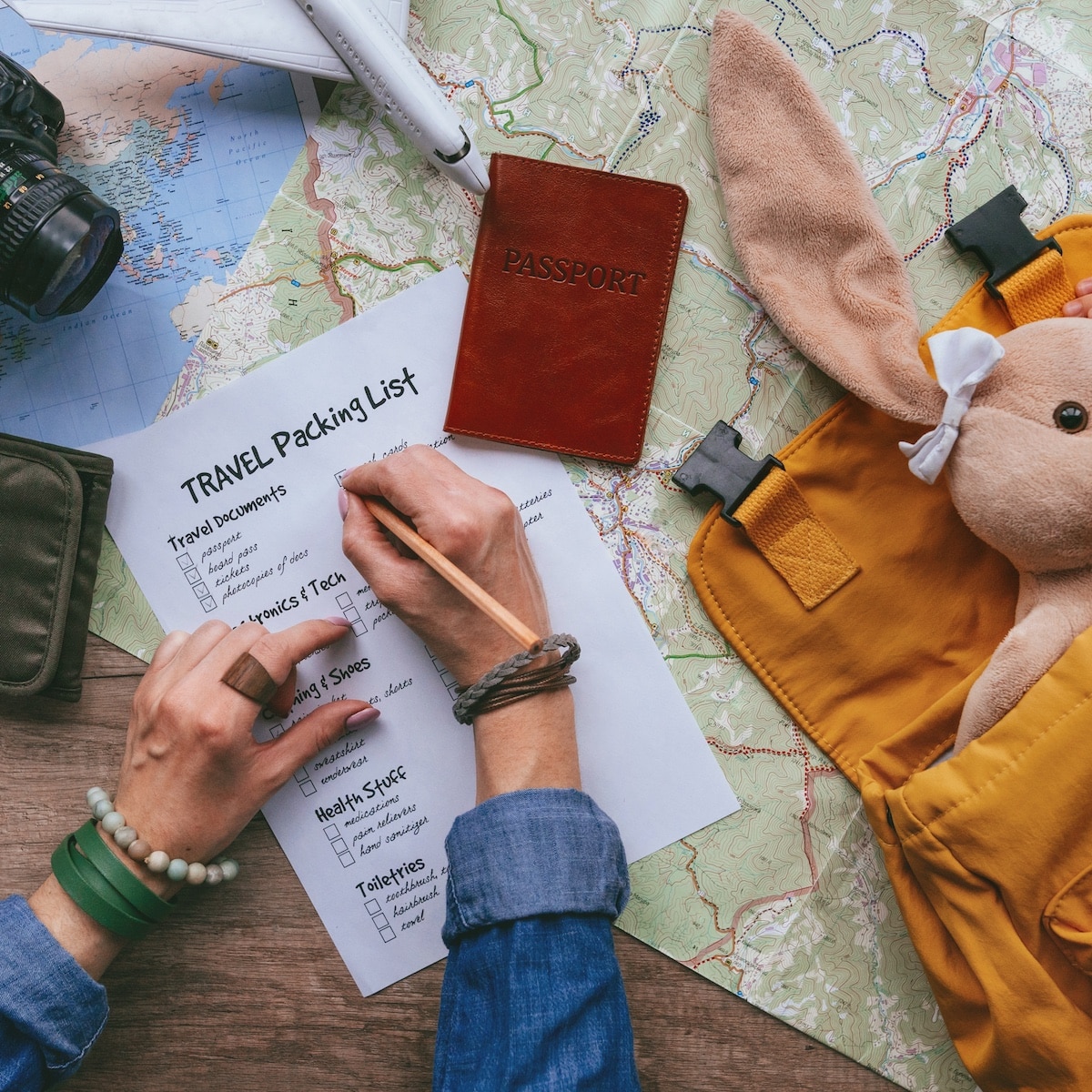
A better approach is simple. Start earlier. A few days before the trip, create a packing list. Even better, keep a reusable list on your phone that you can adjust for each trip.
Children’s packing lists tend to include familiar essentials:
- Comfortable clothes for different weather
- A spare outfit in your carry-on bag
- Snacks
- Small toys or books
- Any necessary medications
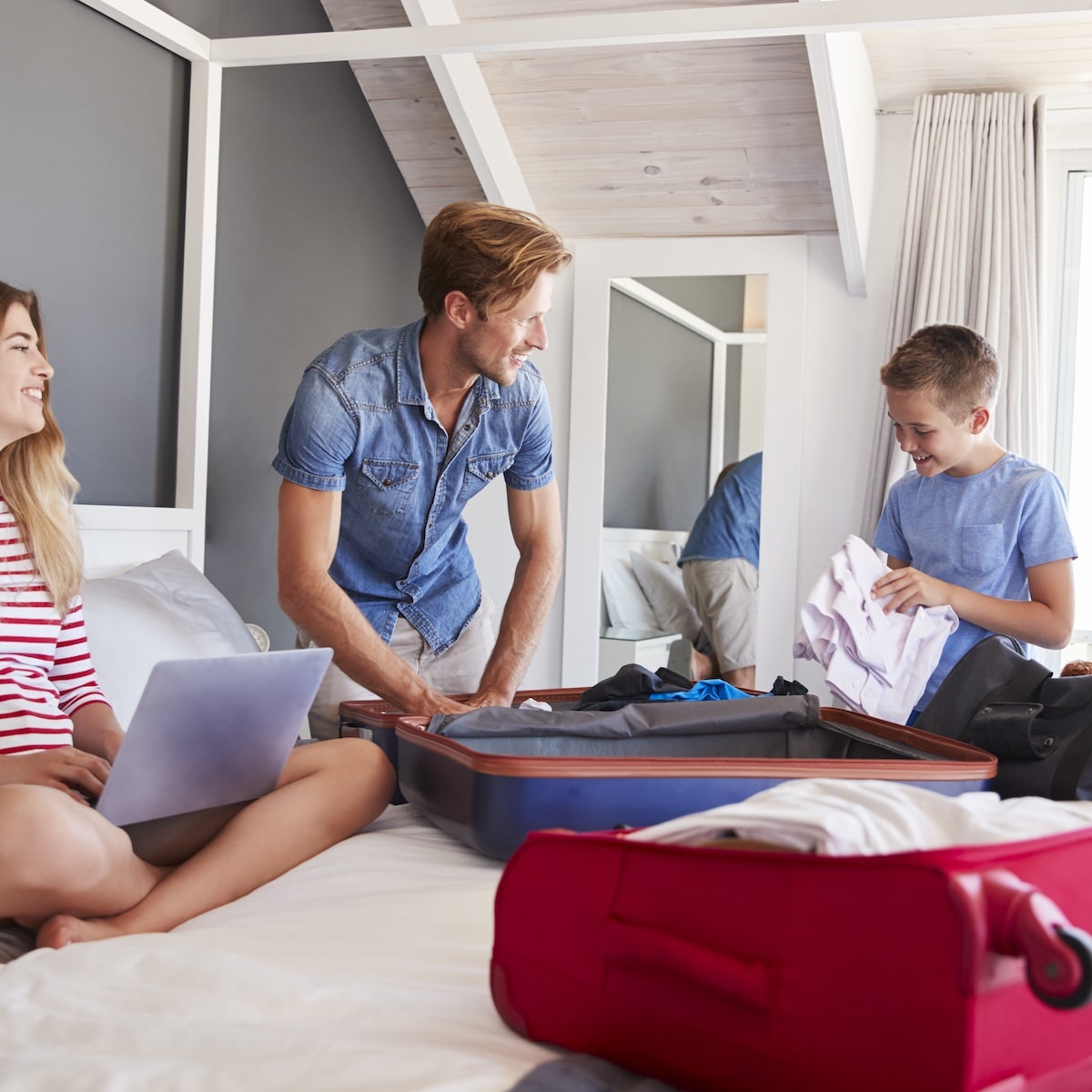
One trick that many parents swear by is packing outfits together. Place a complete outfit into a small bag or packing cube. Shirt, pants, socks. Done.
In the morning you simply grab one bundle instead of digging through the suitcase.
Travel days also deserve special attention. Plan for the journey itself. Kids get bored faster than adults. A long flight or train ride can feel endless.
Small entertainment items like coloring books, stickers or puzzles help a lot. The novelty factor works wonders, so a new toy can make a big difference.
And then there are the tiny items that somehow become essential. Wet wipes. Sunscreen. Hand sanitizer. Reusable water bottles. For more tips, check out our guide on how to pack for a stress-free family road trip.
4. Prepare Your Phone Before the Trip
Modern travel relies heavily on phones. Especially when traveling with children.
Your phone becomes a map, a translator, a ticket holder, and sometimes even a babysitter.
Before leaving home, download the apps you might need. Airport Wi-Fi isn’t always reliable, and figuring out public transport in a new city is much easier when everything is already installed.
- Navigation apps are obvious but essential. They help you move around quickly, which matters when kids are tired.
- Local transportation apps can also save time. Metro maps, bus schedules, train connections. Having that information instantly available reduces stress.
- Translation apps are another useful tool. Ordering food, reading grocery labels, or asking simple questions becomes easier when you can translate quickly.
- Entertainment apps deserve attention too. Download movies, audiobooks, or kids’ shows before the trip. Offline content can turn a long journey into a peaceful one.
Here’s another small tip that helps more than you might expect. Take screenshots. Hotel addresses. Booking confirmations. Tickets. Maps. If your internet connection disappears, those screenshots still work.
5. Handle Travel Documents Early
Travel documents rarely feel urgent… until they suddenly are. Checking passports early prevents a lot of last-minute stress. Many countries require passports to be valid for at least six months after your return date.
Children’s passports often expire sooner than adult passports. It’s worth checking those first. If new passport photos are required, visiting a studio is no longer the only option.
Many families now take photos at home and print them themselves using tools like Passport Photo Maker. It’s faster, more convenient, and surprisingly simple.
Online applications have also become more common. In many countries, passports or visas can now be requested through official government websites. That means fewer appointments and fewer lines.
Another helpful precaution is keeping digital copies of important documents. Photos of passports, travel insurance, and booking confirmations stored securely on your phone can be extremely useful if anything gets lost.
A Final Thought
Traveling with kids requires a bit more planning. But it also creates a different kind of experience. Children see the world in ways adults sometimes forget.
A train ride can feel like an adventure. A street market becomes a place full of colors and sounds. A simple playground in a new country suddenly feels exciting.
And sometimes the best moments aren’t the ones you planned at all. A random café with great pastries. A small park where you stopped for ten minutes and stayed for an hour.
A sunset walk when everyone was finally calm after a long day. Those are the moments that stay with you. Besides, travel experiences can bring families back together.
- Parents Are Prioritising Breathable, Sustainable Fabrics For Children's Seasonal Sleepwear
- Our Homemade Christmas Printables, Made With AI: What Worked, What Didn't, and What I'm Saving for Next Year
- At-Home vs. In-Lounge IV Therapy in the Hudson Valley: Which Makes More Sense?
- Can Passengers Pursue Compensation After a Car Accident?




By taking care of the basics ahead of time: planning lightly, packing thoughtfully, preparing your phone and handling reservations and travel documents early, you remove many of the small stresses that can interrupt a trip.
Then the real part of travel begins. Exploring new places together. Laughing at unexpected situations. Sharing meals. Discovering things you didn’t know you would find.
And building family memories that last far longer than the vacation itself. Want.





Leave a Reply