

Considering a facelift is a significant decision, one that deserves careful thought, honest research, and a clear understanding of what the procedure actually involves. For many people, it's less about vanity and more about confidence.
Years of sun exposure, stress, weight fluctuations, and the simple passage of time can leave the face looking tired or drawn in ways that no skincare routine can fully address. A facelift offers a more lasting solution, but it's also a surgical procedure with real preparation, recovery, and outcome variables to consider.
Before you book a consultation or start comparing surgeons, here's what you genuinely need to know.
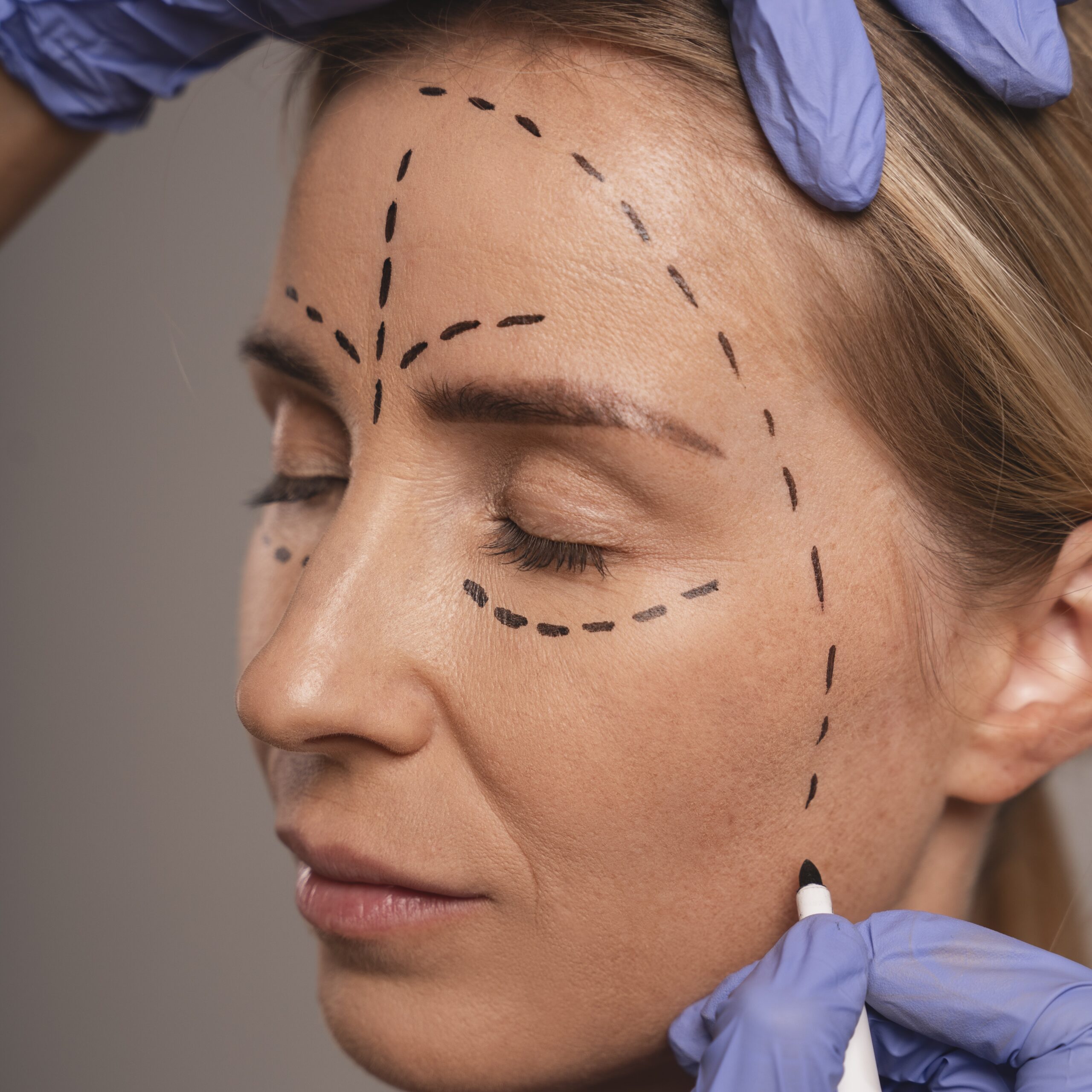
What Is a Facelift, Really?
A facelift, medically known as a rhytidectomy, is a surgical procedure designed to address visible signs of aging in the face and neck. It works by lifting and repositioning the underlying facial tissues and muscles, removing excess skin, and tightening the overall structure to create a smoother, more refreshed appearance.
It's worth being clear about what a facelift does and doesn't do. It addresses sagging in the mid-face, deep creases along the nose and mouth, jowling along the jawline, and loose skin in the neck. It does not treat fine surface lines, sun damage, or uneven skin tone, those concerns are typically handled through complementary procedures or skin treatments.
Modern facelift techniques have evolved considerably, focusing on restoring natural facial volume and structure rather than simply pulling skin tight, which is what gave older facelifts their tell-tale stretched appearance.
Choosing the Right Surgeon
This is the most consequential decision in the entire process. A facelift is technically demanding. Therefore, the difference in outcomes between a highly experienced specialist and a less qualified practitioner can be substantial, both aesthetically and from a safety standpoint.
When evaluating surgeons, look beyond polished websites and focus on what actually matters, board certification in facial plastic surgery, a verifiable portfolio of results across different patient types, and genuine patient testimonials that speak to real experiences.
For those considering a facelift in Chicago, it's worth seeking out practices that centre entirely on facial surgery rather than offering it as one of many services. Doctors, like Dr. Anil Shah is a strong example of that specialist approach. Pay attention to how the consultation feels too, whether your questions are answered thoroughly and your concerns taken seriously, without any sense of pressure to commit.
Who Is a Good Candidate?
Facelifts are most effective for men and women experiencing moderate to significant facial ageing, typically from their late forties onward, though there's no fixed age requirement. Generally speaking, the strongest candidates share a few common characteristics:
- In good overall physical health with no conditions that impair healing
- Non-smokers, or fully committed to quitting well before and after surgery
- At a stable, healthy weight, significant fluctuations after surgery can affect results
- Experiencing visible sagging, jowling, or neck laxity that bothers them consistently
Skin elasticity also plays an important role. Patients with reasonable skin elasticity tend to achieve better, longer-lasting results than those with heavily sun-damaged or very inelastic skin. That said, every face is different, and the only way to know for certain whether you're a good candidate is through a thorough in-person consultation with a board-certified facial plastic surgeon.
The Consultation: What to Ask
Your initial consultation is where the real groundwork gets laid. A good surgeon will review your medical history, assess your facial anatomy, discuss your goals honestly, and explain which techniques are most appropriate for your situation. Come prepared with questions:
- What facelift technique do you recommend for my face, and why?
- What results are realistically achievable given my skin and anatomy?
- What does recovery involve, and what will I need to arrange at home?
- Can I see before and after photos of patients with similar concerns?
The consultation should feel like a genuine, two-way conversation. If you feel rushed or that your questions aren't being taken seriously, seek a second opinion before committing to anything.
Understanding the Procedure
A facelift is typically performed under general anaesthesia or deep sedation and takes between two and four hours, depending on the extent of the work and whether complementary procedures are being done simultaneously.
Incisions are carefully placed to minimise visible scarring, usually along the hairline and around the ears, with additional incisions under the chin for neck work where needed. The surgeon lifts and repositions the underlying SMAS layer, the muscular and connective tissue beneath the skin, removes excess skin, and closes with fine sutures. According to the American Society of Plastic Surgeons, facelift procedures consistently rank among the most performed surgical cosmetic procedures in the United States, reflecting both strong demand and continued refinement in technique and safety.
Recovery: A Realistic Timeline
Recovery is more involved than many people anticipate, and planning for it properly makes a genuine difference to both comfort and results. Most patients experience peak swelling and bruising in the first few days, with sutures removed around day seven to ten. By weeks two to four, bruising typically resolves and many patients feel comfortable returning to light activities. Swelling continues to gradually subside over the following months, with the full settled result usually visible around the six-month mark.
You'll need support at home for at least the first week, driving won't be possible, and daily tasks will require assistance. Smoking significantly impairs healing and raises complication risk, which is why stopping well in advance of surgery is non-negotiable.
How Long Do Results Last?
A facelift doesn't stop ageing, but it meaningfully sets the clock back, typically by seven to ten years, sometimes more. Most patients enjoy their results for a decade or longer before considering any further treatment. Longevity is influenced by genetics, lifestyle, consistent sun protection, and skincare habits. Some patients choose to complement their results over time with non-surgical treatments such as injectables or skin resurfacing to maintain their appearance between procedures.
Conclusion: Is It Worth It?
For patients who are good candidates and approach the procedure with realistic expectations, satisfaction rates for facelift surgery are consistently high. It's a meaningful investment of time, money, and recovery, but for many people, the results genuinely shift how they feel about themselves in lasting ways.
The key is doing the groundwork: the right surgeon, honest consultations, proper recovery planning, and patience. A facelift done well, by experienced hands, remains one of the most transformative procedures available in facial plastic surgery.





Leave a Reply