

What to Know Before Starting Any Home Repair Project begins with understanding that preparation is the foundation of success.
Before picking up a hammer, take time to assess the scope of the project and determine whether it’s a simple DIY task or one that requires professional help.
Setting a realistic budget and timeline prevents costly surprises, while researching local building codes ensures compliance and safety.
It’s also vital to factor in quality materials and the long-term impact repairs may have on your home’s structure and value.
Proper planning transforms stress into confidence and efficiency.

Jump to:
Assessing the Scope of Your Project
Prior to initiating any home repair project, it is critical to determine the scope of work involved.
Take the time to walk through your home and identify areas that need attention.
Is it a simple cosmetic fix, like painting a wall or replacing fixtures, or a more complex repair, like fixing plumbing issues or roofing?
Understanding the extent of the repairs required will help set realistic expectations, timelines, and budgets.
Consulting professional assessments for larger projects can provide a clearer understanding of what is involved.
Planning is an integral part of addressing any home repair issue. It often helps to create a checklist that outlines every task involved, no matter how small.
This can range from sourcing materials to scheduling contractors if needed.
Keeping everything organized will help you tackle each step without feeling overwhelmed and ensure no crucial aspects are overlooked.
Budgeting for Home Repairs
Financial considerations play a massive role in home repairs. Establishing a budget before starting is important to avoid overspending.
Repairs can be costly, and the last thing you want is to run out of funds midway through a project.
When drafting your budget, consider possible labor fees if you choose to hire professionals. It's wise to include a buffer for unexpected expenses.
Repairs often uncover underlying issues that were not initially apparent. Researching to find the best prices for materials can save significant amounts of money.
Many homeowners find that shopping online or at local hardware stores provides a wide range of options at competitive prices.
Efficiency in spending does not just mean buying the cheapest products. It means finding the right balance between quality and affordability.
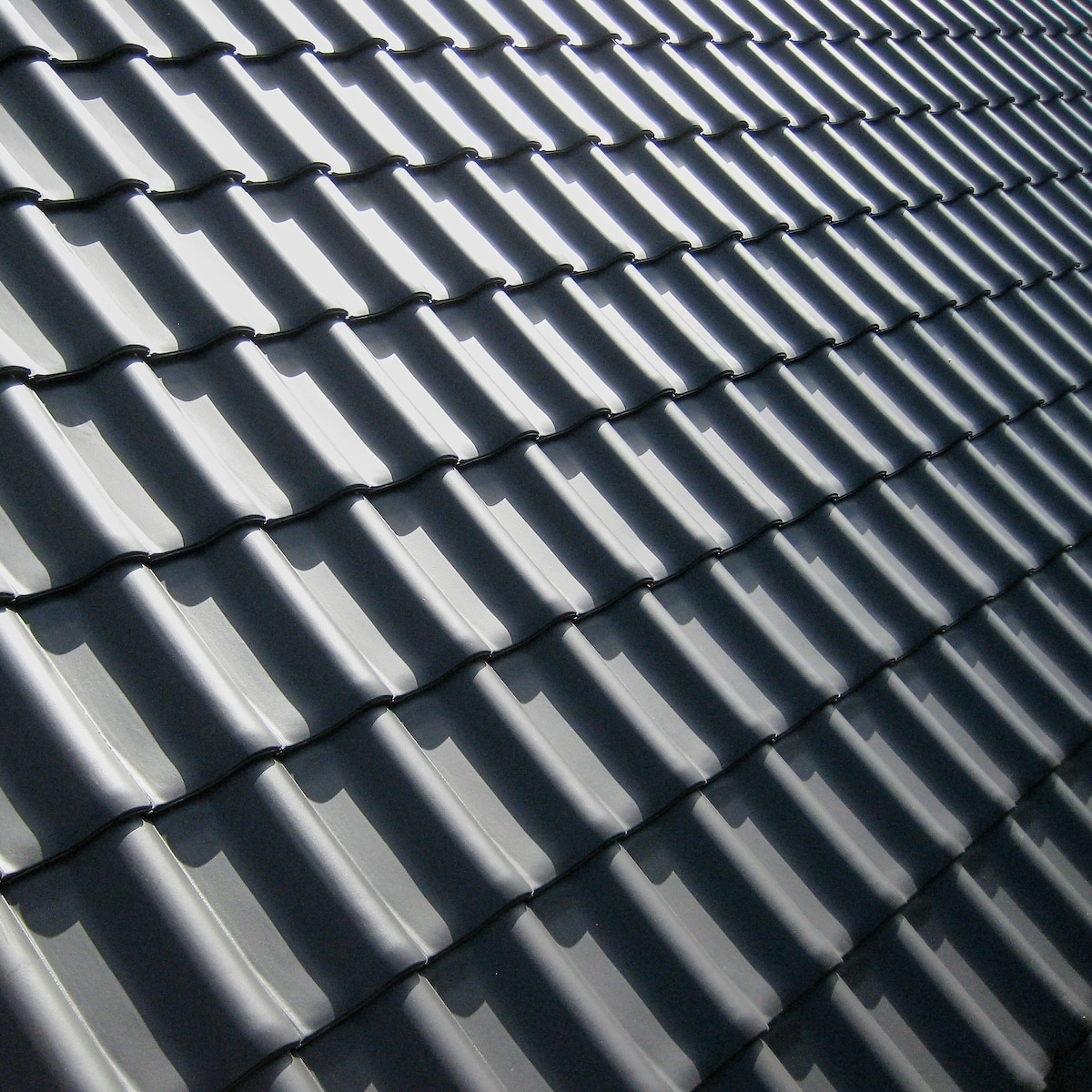
Consider investing in energy-efficient shingle roofs that can reduce long-term energy costs that potentially pay for themselves.
Taking advantage of seasonal sales or contractor discounts can reduce renovation expenses.
Understanding Building Codes and Permits
Another crucial aspect of home repair is understanding the local building codes and regulations that apply to your project.
Many repairs, particularly those requiring structural changes, will require you to obtain permits from local authorities.
Failure to adhere to these regulations can lead to fines or even mandatory demolitions of your work.
Any electrical or plumbing changes typically require professional permits.
Familiarizing yourself with these codes can save you time, money, and headaches down the line.
Before starting, take the time to visit your local building department's website or office.
They can provide invaluable information on which permits are necessary, along with guidelines that must be followed to remain compliant with local regulations.
Ensure to check if any part of your home may fall under specific historical preservation guidelines, as this can influence how repairs must be carried out.
🤖 Looking For An Answer?
Ask AI to summarise this post to see if the article answers your questions:
Prioritizing Safety Measures
Safety should always be at the forefront of any home repair project. Accidents can occur, and without adequate precautions, repairs can become dangerous.
Make certain to wear appropriate personal protective equipment (PPE) such as gloves, goggles, and masks, depending on the tasks at hand.
Not all repairs can be tackled as a DIY project. For more complicated jobs, such as electrical work or major plumbing repairs, it's advisable to consult or hire a licensed professional.
This assures that the job will be completed according to the relevant standards.
In some cases, a consultation can prevent accidents that may result from improper handling of tools or materials.
Time Management and Scheduling
Effective time management is another crucial component in the success of a home repair project.
Each task may take longer than initially expected, particularly for those without prior experience.
One way to mitigate frustration is to set a detailed timeline that includes deadlines for each phase of the project.
This encourages accountability and helps keep the project on track.
Ensuring that you allocate enough time for each task will allow you to work at a comfortable pace rather than racing against the clock.
Unfinished tasks can lead to compounded issues and could cost more in repairs later on.
Bracing for potential delays, such as inclement weather or delays in material shipments, can help maintain the project schedule.
Maintaining Communication with Contractors
If you've decided that certain aspects of your home repair project will require professional help, clear communication is crucial.
Providing detailed descriptions of your expectations will lend clarity to the work required.
Regular check-ins can help keep projects on track and ensure that any issues are addressed promptly.
If you find yourself disagreeing on certain aspects of the project, addressing them early on can prevent misunderstandings down the line.
Remember that pricing, timelines, and outcomes should be confirmed in writing to avoid discrepancies.
A good contractor will appreciate the effort to have clear, documented communication and will likely reciprocate with transparency regarding the project’s progression.
This cooperative approach will generally foster a successful partnership in managing your repair.
- Parents Are Prioritising Breathable, Sustainable Fabrics For Children's Seasonal Sleepwear
- Our Homemade Christmas Printables, Made With AI: What Worked, What Didn't, and What I'm Saving for Next Year
- At-Home vs. In-Lounge IV Therapy in the Hudson Valley: Which Makes More Sense?
- Can Passengers Pursue Compensation After a Car Accident?




Evaluating the Outcome
Upon completion of your home repair project, it is vital to evaluate the results. Take the time to assess each aspect of the work completed.
Did everything turn out as expected? Are there areas that may need attention or adjustments?
This assessment not only gives you a chance to review the quality of work but is also an opportunity to learn for potential future projects.
Documenting the results of your project is also beneficial.
Whether it’s taking before-and-after pictures or noting changes made, this information can aid in future maintenance tasks or repairs.
Understanding the process and evaluating the outcome contribute to your experience and skill level as a homeowner ready to tackle repairs.





Leave a Reply