

You don’t need a giant house or a TV crew to make your home feel better. Sometimes the biggest upgrade is simply making your kitchen or bathroom easier to use on a normal Tuesday. If you’re tired of bumping into awkward layouts, hunting for storage, or cleaning surfaces that seem to attract chaos like a magnet, a thoughtful remodel can help. The trick is focusing less on flashy trends and more on what makes your day smoother, calmer, and a little more comfortable.
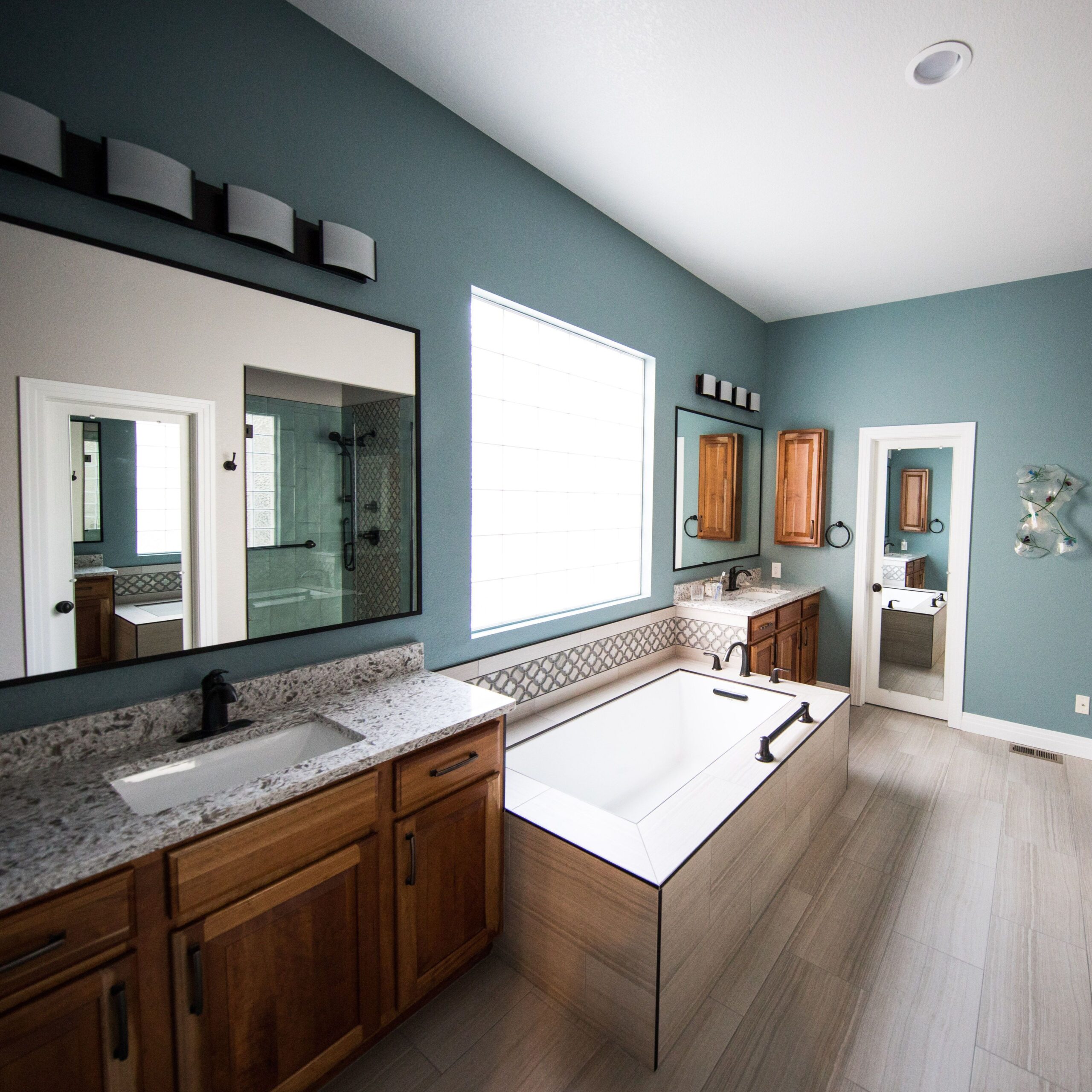
Start with your why
Before you pick tile colors or dream about shiny new faucets, pause and ask yourself one simple question: what’s actually not working? Maybe your kitchen feels crowded when two people cook. Maybe your bathroom has the storage capacity of a sandwich bag. Your “why” keeps the project grounded when choices start multiplying like socks in a dryer.
This is also the point where many homeowners start talking to a kitchen & bathroom remodeling company because the right team can help turn vague frustrations into a practical plan. You don’t need to know every detail yet. You just need a clear sense of what you want life to feel like after the work is done.
Try writing down three goals. More storage. Better lighting. Easier cleanup. Those kinds of goals are simple, useful, and much more helpful than saying you want the room to “pop.” Unless your cabinets literally pop open, that’s probably not the goal.
Notice daily pain points
A good remodel usually starts with small annoyances, not big design speeches. Think about the moments that bug you every day. Do drawers stick? Is there nowhere to put a toothbrush charger? Do you chop vegetables in a dark corner while the bright light shines proudly on an empty wall?
These pain points matter because they shape how you use the room. In kitchens, common trouble spots include:
- Not enough prep space
- Poor pantry storage
- Bad traffic flow
- Lighting that’s too dim or too harsh
Bathrooms have their own little dramas. Maybe the vanity is always cluttered. Maybe there’s no place for towels except that one chair that became “the towel chair” by accident. A remodel gives you a chance to fix those patterns instead of just working around them.
If you can, spend a few days paying attention to what slows you down. The room is already telling you what it needs.
Plan for real routines
The best spaces fit your actual life, not some fantasy version where everyone wakes up cheerful and puts things away immediately. If your mornings are busy, your remodel should support that. If you meal prep on Sundays, your kitchen should make that easier. If kids share one bathroom, you need storage and surfaces that can handle toothpaste tornadoes.
Think about how your household moves through the space. In the kitchen, that might mean keeping dishes near the dishwasher, adding seating where people naturally gather, or creating a drop zone for bags and mail. In the bathroom, it might mean adding drawers for each family member or choosing a layout that lets two people get ready without shoulder-checking each other.
This step is less about design trends and more about behavior. What do you reach for every day? Where does clutter build up? What tasks always feel awkward? A room that supports your routine can feel almost invisible in the best way. It stops getting in your way and starts helping out.
Choose upgrades that last
It’s easy to get pulled toward the prettiest option in the showroom, but daily life has opinions too. A family kitchen or bathroom needs materials that can handle spills, steam, fingerprints, and the occasional mystery splash. Stylish is great. Stylish and easy to live with is even better.
Look for finishes that won’t make you regret your choices after one week of actual use. Cabinets with practical storage beat beautiful cabinets with wasted space. Counters should be simple to clean. Flooring should feel safe underfoot and hold up well over time. In bathrooms, easy-care surfaces can save you from endless scrubbing battles.
You also don’t need every trendy feature. A few well-chosen updates usually do more than a room stuffed with extras. Better lighting, smarter storage, and quality fixtures often make a bigger impact than chasing whatever is currently flooding social media.
A good rule is this: if it makes life easier and still looks good, it’s probably a smart pick.
Set a workable budget
Budgets sound boring until they save you from panic-buying a gold faucet while forgetting you still need flooring. A useful budget is really just a way to decide what matters most. Start with your top priorities and put your money there first.
You might decide storage is non-negotiable, while decorative extras can wait. Or maybe better lighting is worth spending on because it changes how the whole room feels. Try separating your list into three buckets:
- Must-have fixes
- Nice upgrades
- Can wait later
This keeps you from spending too much too soon. It also helps when surprises show up, which they sometimes do in remodeling. Older homes love secrets, and not always the fun kind.
Leave a little breathing room in your budget if possible. Even a small cushion can lower stress. You don’t need to chase perfection. You need a room that works better, looks better, and doesn’t make your wallet cry into a throw pillow.
Keep the process smooth
A remodel can feel messy, but a little planning makes a huge difference. Before work begins, think about how you’ll handle everyday life during the project. If it’s your kitchen, set up a temporary snack and coffee zone somewhere else. If it’s your bathroom, sort out backup routines ahead of time.
Communication matters too. Ask questions early. Be clear about priorities. Keep notes, inspiration photos, and product choices in one place so nothing gets lost in the shuffle. It helps to expect some inconvenience without assuming disaster. Dust happens. Timelines can shift. That doesn’t mean the project is falling apart.
Try to focus on progress, not temporary chaos. A few weeks of disruption can lead to years of easier mornings and more functional space. And when the room finally comes together, those daily improvements really add up.
The goal isn’t just a prettier kitchen or bathroom. It’s a home that works harder for you, asks less from you, and makes ordinary life feel a bit lighter. That’s a remodel worth making.





Leave a Reply