

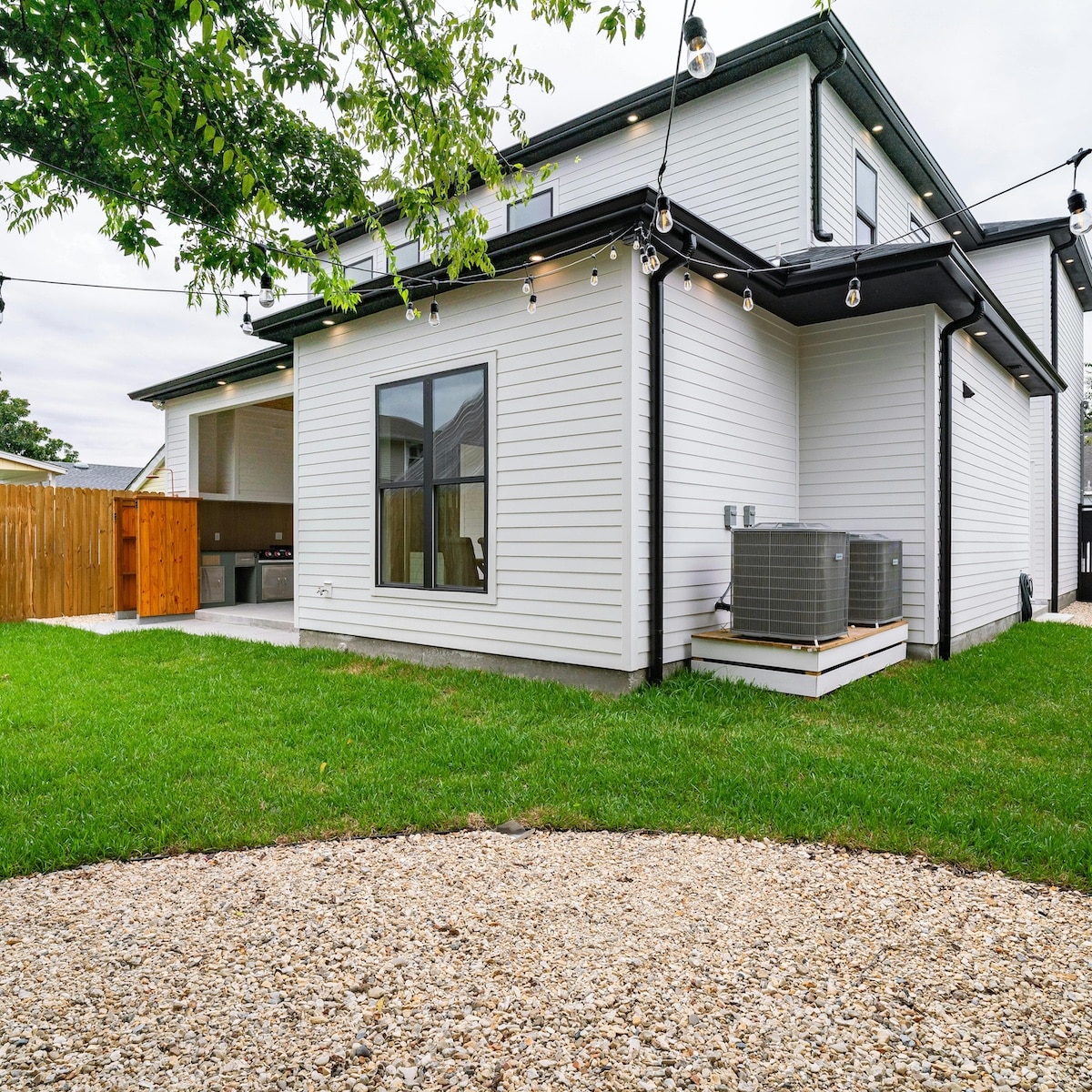
Signs Your HVAC System Needs Repair often start subtly, but catching them early prevents bigger issues down the line. If your system is blowing weak or uneven air, producing unusual noises, or emitting strange smells, it’s time to call a technician.
Rising energy bills without increased usage often point to inefficiency, while frequent cycling or poor temperature control may signal worn components or clogged filters.
Leaks, moisture buildup, or inconsistent airflow can also indicate deeper mechanical or electrical problems.
Scheduling professional HVAC maintenance ensures optimal performance, extending the system’s lifespan and keeping your home comfortable throughout the year.
Jump to:
Unusual Noises
If your HVAC system starts producing strange sounds, it’s a clear warning sign that something is wrong. Common noises to be on alert for include banging, grinding, or hissing sounds. These noises could indicate issues ranging from loose parts to failing components. A banging noise could be a sign that some loose screws or parts need to be tightened.
Ignoring these sounds can lead to further damage, so it’s wise to address them promptly. If you are unsure about the source of the noise, consulting specialized furnace technicians can provide clarity. The sooner you respond, the less likely it is that the issue will escalate into a more severe problem, potentially saving you from expensive repairs.
Inconsistent Temperatures
Another telling sign that your HVAC system needs repair is the inconsistency of temperatures in your home. If some rooms are too hot while others are too cold, it may indicate a malfunctioning system. This issue could stem from a variety of problems: duct leaks, a clogged filter, or even an improperly sized unit.
Inconsistent temperatures affect comfort and can strain your HVAC system, leading to increased energy bills.
If you find yourself constantly adjusting the thermostat, it’s time to call a professional.
Addressing these temperature inconsistencies sooner rather than later can improve efficiency and comfort.
High Energy Bills
A sudden spike in your energy bills can be another red flag indicating your HVAC system may not be functioning optimally.
Increased energy consumption often points to inefficiencies in the system.
Problems such as dirty filters, leaking ducts, or an aged unit can cause your HVAC system to work harder than necessary.
It's crucial to regularly check your filters and ensure they are clean. A neglected filter can limit airflow and cause your system to exert more energy.
If the energy costs keep climbing despite your efforts to maintain the system, it is time to seek professional advice.
They can conduct a thorough evaluation to identify any underlying issues affecting the system's efficiency.
Odors and Smells
Unpleasant odors emanating from your HVAC system can signal various issues needing attention.
Musty smells may indicate mold or mildew growth within the system, while burning odors often require immediate action as they may signal an electrical issue.
No matter what the smell is, it shouldn't be ignored, as persistent bad odors indicate a problem that could worsen.
Scheduling a maintenance check with a professional can help address these smells and ensure your system operates safely and efficiently.
Frequent Cycling
If your HVAC system is cycling on and off more frequently than normal, it’s likely struggling with some underlying issue.
This may be caused by a malfunctioning thermostat, poor insulation, or refrigerant problems.
Frequent cycling can wear down the system more quickly and can inflate your energy bills.
You want your system to run efficiently without the hassle of constant cycling.
Consulting with HVAC specialists can give you insights into diagnosing the issue and restoring your system to optimal performance.
🤖 Looking For An Answer?
Ask AI to summarise this post to see if the article answers your questions:
Humidity Problems
Your HVAC system plays a crucial role in regulating humidity levels in your home.
If you begin to notice excessive humidity, this may point to malfunctions in your air conditioning system or deficiencies in its insulation.
High humidity can contribute to mold growth and affect your comfort.
Conversely, if the air in your home feels too dry, this can be equally problematic.
Achieving a balance in indoor humidity is important for maintaining a comfortable living space, and addressing these humidity issues promptly can enhance your home's comfort and air quality.
Age of the HVAC System
Finally, the age of your HVAC system can be a critical factor in assessing its functionality. Most systems have a lifespan of about 15 to 20 years.
If yours is approaching this age, you may start to notice signs of wear and tear more frequently.
Regular maintenance can prolong the lifespan of your HVAC system, but eventually, you might need to consider replacement.
If investments in repairs keep adding up, a replacement could be more cost-effective in the long run.
- Parents Are Prioritising Breathable, Sustainable Fabrics For Children's Seasonal Sleepwear
- Our Homemade Christmas Printables, Made With AI: What Worked, What Didn't, and What I'm Saving for Next Year
- At-Home vs. In-Lounge IV Therapy in the Hudson Valley: Which Makes More Sense?
- Can Passengers Pursue Compensation After a Car Accident?




Your HVAC system is a crucial component of your home’s comfort. Recognizing the signs that indicate the need for repair can save you from higher costs and discomfort in the future.
By staying vigilant regarding your HVAC system's performance and scheduling regular maintenance with qualified professionals, you can ensure that it operates efficiently for years to come.





Leave a Reply