

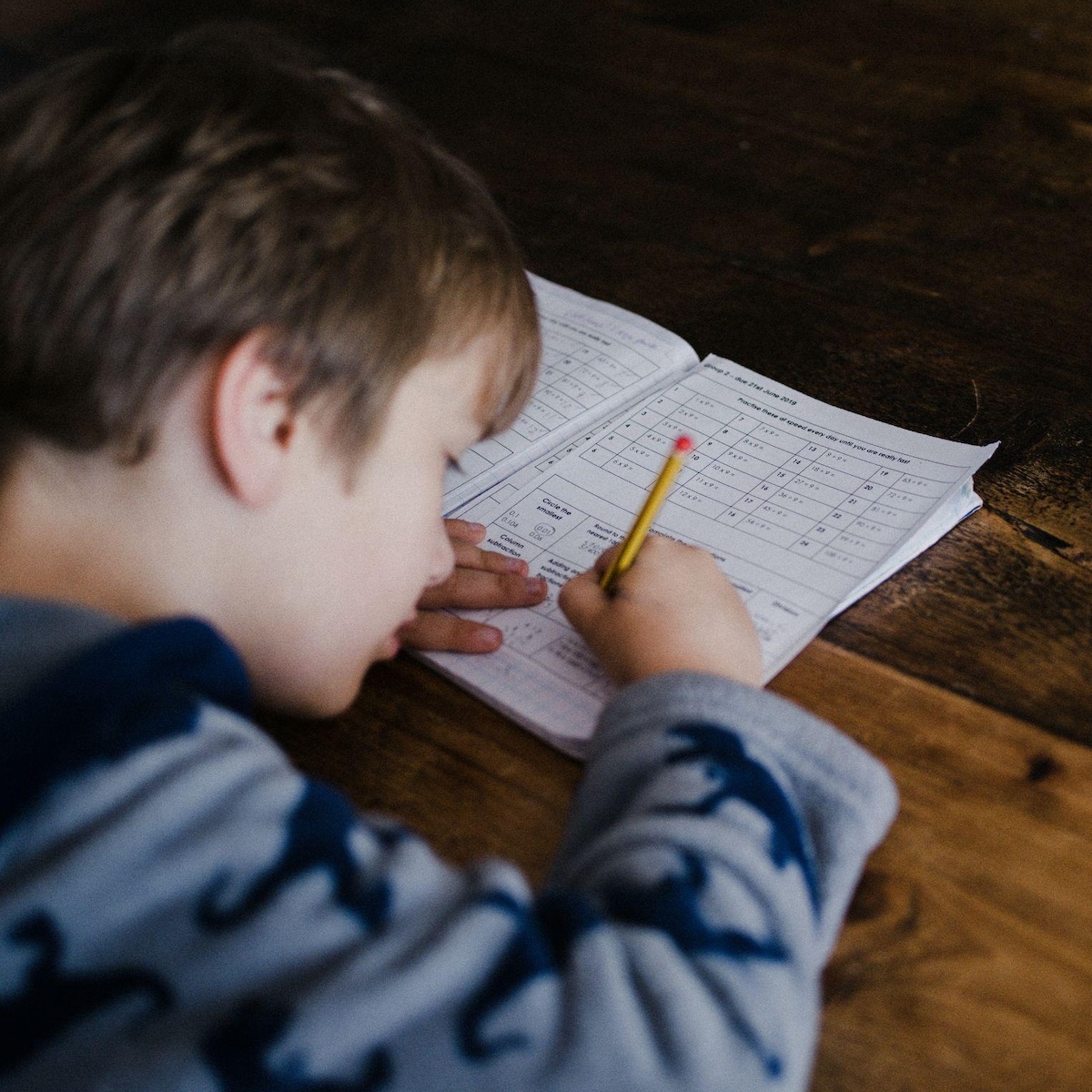
Homework is rarely just about completing assignments. It also teaches children how to manage time, stay organized, and work independently.
While every family has its own schedule, children often benefit from routines that make homework feel predictable rather than stressful.
A consistent approach can reduce distractions, improve focus, and leave more time for hobbies, family activities, or simply relaxing after school.
The goal is not to turn every evening into a rigid timetable. Instead, successful homework routines balance structure with flexibility.
Children who know when and where homework will happen often spend less energy deciding what to do next and more energy completing the work itself.
Jump to:
A Tidy Study Space Starts With Better Organization
A dedicated homework area does not need to be a separate study room. A quiet corner of the kitchen, dining room, or bedroom can work well as long as it remains reasonably free from distractions.
Good lighting, comfortable study chairs, and easy access to pencils, notebooks, and other supplies help children settle into work more quickly.
School supplies also deserve regular attention. Families often discover unused printer cartridges and office materials after replacing equipment or reorganizing a home workspace.
Looking at options through SellToner.com can be one practical step when deciding what to do with genuine unused toner instead of letting it continue taking up storage space.
Keeping the study area organized allows children to focus on homework instead of searching for materials every evening.
Parents can also encourage children to prepare their school bag before bedtime. Packing completed assignments and checking the next day's schedule reduces morning stress and helps establish stronger organizational habits.
Short Practice Sessions Can Strengthen Everyday Learning
Homework does not have to be limited to assignments sent home from school. Many children benefit from brief activities that reinforce reading, spelling, vocabulary, or handwriting in a relaxed way.
Parents looking for additional learning resources may use printable worksheets for kids to introduce short exercises that fit naturally into an evening routine.
Rather than adding another hour of work, these activities can reinforce classroom learning while keeping children engaged through a variety of exercises.
The most effective routines avoid overwhelming children with too much extra practice. A few focused activities completed consistently often provide greater long-term benefits than extended study sessions that leave children feeling frustrated or tired.
Breaking Large Assignments Into Smaller Tasks Reduces Stress
Long homework assignments can seem overwhelming, particularly for younger students. Dividing larger projects into smaller sections helps children build confidence while making steady progress.
Reading one chapter, solving several math problems, or completing part of a science project before taking a short break often feels much more manageable than trying to finish everything at once.
Small milestones also create opportunities to check understanding before mistakes continue through the rest of the assignment.
Parents can support this process by asking questions instead of immediately providing answers.
Encouraging children to explain their thinking helps strengthen problem-solving skills while showing adults where additional guidance may be helpful.
Regular short breaks also improve concentration. A few minutes away from the desk can help children return with better focus and renewed energy.
Good Organization Saves Time Every Evening
Many homework delays happen before children even begin working. Missing notebooks, misplaced worksheets, forgotten instructions, and scattered stationery can waste valuable time every afternoon.
Simple organizational systems make a noticeable difference. Separate folders for completed homework and unfinished assignments, along with a checklist of materials needed for the next school day, help children develop responsibility while reducing unnecessary stress.
Digital organization matters as well. Knowing where online assignments are stored, keeping passwords accessible in a secure place, and checking school communication platforms regularly prevents many last-minute problems.
Organization also includes recognizing when enough work has been completed. Spending excessive time trying to perfect every assignment may leave children exhausted without improving learning.
Consistency Is More Important Than Perfection
No homework routine works perfectly every evening. Sports practice, family events, school projects, and unexpected interruptions are all part of everyday life.
The strongest routines provide enough structure to guide children while remaining flexible enough to adapt when schedules change.
Parents do not need to supervise every minute of homework. As children become more confident, gradually giving them greater responsibility encourages independence alongside academic development.
- Parents Are Prioritising Breathable, Sustainable Fabrics For Children's Seasonal Sleepwear
- Our Homemade Christmas Printables, Made With AI: What Worked, What Didn't, and What I'm Saving for Next Year
- At-Home vs. In-Lounge IV Therapy in the Hudson Valley: Which Makes More Sense?
- Can Passengers Pursue Compensation After a Car Accident?




Mistakes are part of learning, and managing assignments independently becomes an important skill in itself.
A successful homework routine is measured by more than completed worksheets. It helps children develop habits they can continue using throughout school and later in life.
When homework becomes a predictable part of the day instead of a nightly struggle, families often find that evenings become calmer, children stay better organized, and learning feels far less stressful.





Leave a Reply