

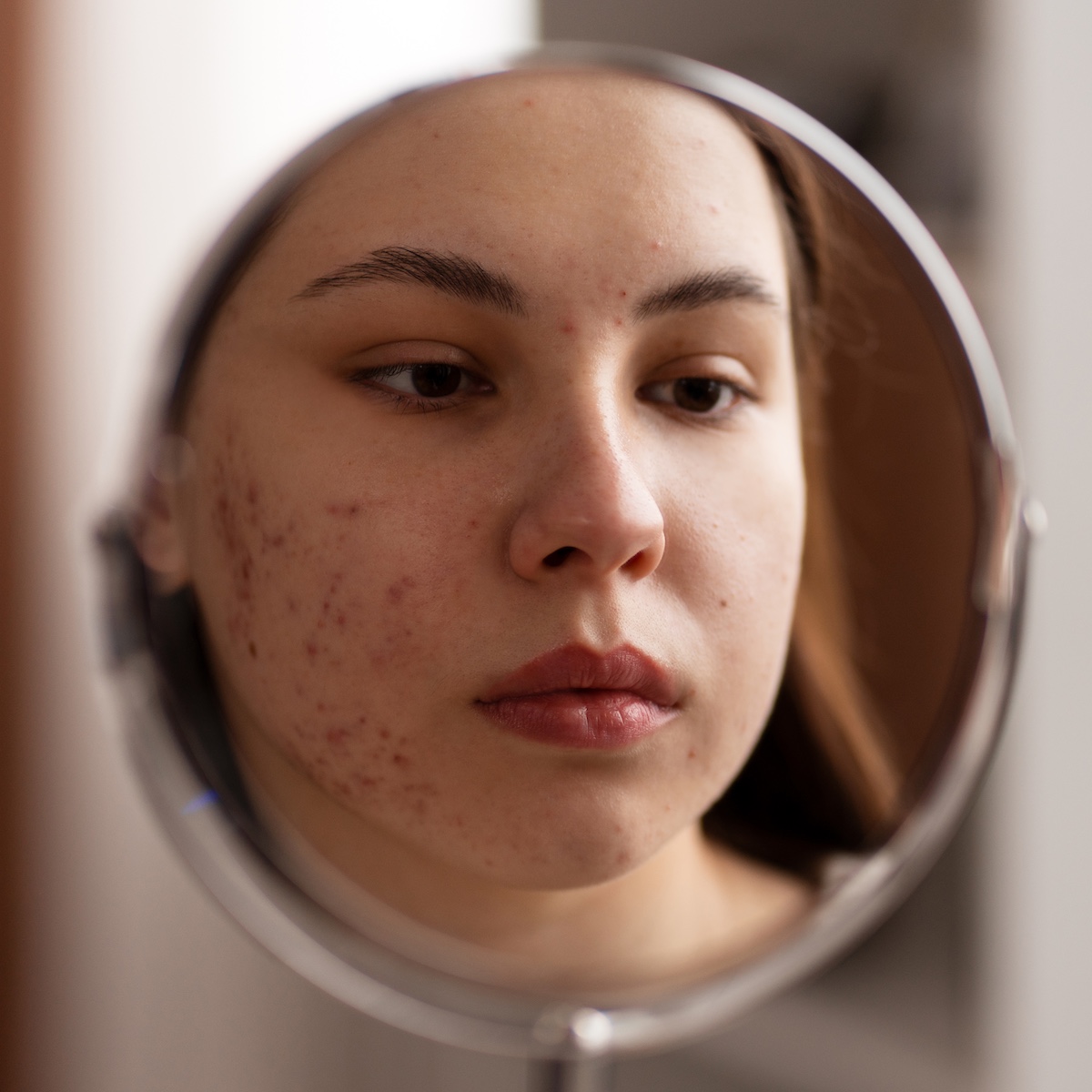
Did you know that modern acne treatment has evolved far beyond the simple "wash your face more" advice of the past? Acne treatment clinics in Singapore combine medical expertise with aesthetic technology to address both active acne and its lasting effects on skin texture and appearance.
Clinics employ multiple treatment modalities that target different aspects of acne pathophysiology, from controlling sebum production and bacterial growth to accelerating skin renewal and reducing inflammation.
The approach to acne management has evolved beyond simple topical medications.
An acne treatment clinics Singapore integrates prescription treatments with procedures like chemical peels, laser therapy, and extraction techniques.
This comprehensive strategy addresses immediate concerns while working to prevent future scarring and promote skin health. Acne treatment clinics Singapore.
Jump to:
Understanding Professional Acne Assessment
At an acne treatment clinic, dermatological evaluation begins with detailed skin analysis using imaging tools.
Wood's lamp detects bacterial fluorescence, and digital dermoscopy examines pores and inflammation to identify acne types, guiding treatment.
Fitzpatrick skin typing informs laser and chemical peel protocols, with darker skin needing adjustments to prevent hyperpigmentation.
Sebum measurements, medical history, hormonal assessment, and lifestyle factors help tailor therapy and identify triggers for effective acne management.
Laser and Light-Based Therapies
Photodynamic therapy uses photosensitizers and light to destroy acne bacteria and shrink sebaceous glands, with improvement over 3–4 monthly sessions.
Fractional laser resurfacing treats acne scars by stimulating collagen, with non-ablative lasers offering faster recovery and ablative CO2 lasers addressing deeper scars.
Intense pulsed light reduces inflammation and post-acne redness using multiple wavelengths, typically in 4–6 sessions spaced three weeks apart.
Extraction and Drainage Techniques
Extraction removes comedones and milia using tools and techniques that minimise tissue trauma, often preceded by steaming or ultrasonic scrubbing to soften and loosen debris.
Comedone extractors and lancets allow controlled removal while protecting surrounding skin, followed by antimicrobial application to prevent infection.
Painful cysts or nodules may require corticosteroid injections or incision and drainage under local anesthesia, with proper wound care to reduce scarring.
Combination Therapy Approaches
Multi-modal treatment combines different mechanisms for enhanced efficacy.
Pairing topical retinoids with benzoyl peroxide addresses multiple acne factors:
- Abnormal keratinization
- Bacterial growth
- Inflammation
Morning benzoyl peroxide application followed by evening retinoid use prevents ingredient interaction while maximizing benefits.
Sequential treatments optimise results through strategic timing.
Chemical peels prepare skin for better penetration of topical medications. Laser sessions following extraction healing target residual inflammation and early scarring.
Maintenance protocols alternate between different modalities to sustain improvements.
Adjuvant therapies support primary treatments while addressing secondary concerns.
LED light therapy between intensive treatments maintains antibacterial effects.
Hydrafacial treatments provide gentle exfoliation and hydration without aggravating active lesions.
Customized skincare routines using appropriate products may support clinical outcomes.
Post-Acne Restoration
Acne scarring requires treatment tailored to scar type: ice pick scars respond to TCA CROSS, rolling scars improve with subcision, and boxcar scars benefit from fractional laser or punch excision.
Post-inflammatory hyperpigmentation can be managed with hydroquinone-based triple therapy, tranexamic acid, or chemical peels.
Skin texture is refined after acne resolves using microneedling with radiofrequency, often combined with platelet-rich plasma, with regular maintenance preserving results.
Putting This Into Practice
- Schedule a comprehensive skin evaluation, including photography to document baseline condition and track progress through treatment phases. Request a detailed explanation of your specific acne type and contributing factors to understand the treatment rationale.
- Maintain a consistent skincare routine using prescribed products in the correct order - cleanser, treatment serums, moisturiser, and sunscreen during daytime. Set phone reminders for medication timing and follow application instructions as directed by your healthcare professional for appropriate absorption.
- Document skin changes through weekly photos under consistent lighting to objectively assess improvement and identify any adverse reactions requiring adjustment. Keep a treatment diary noting menstrual cycles, stress levels, and dietary changes that might influence breakouts.
- Prepare questions for follow-up appointments about treatment modifications, expected timeline for results, and long-term maintenance strategies. Discuss combination therapy options if single treatments show limited improvement after adequate trial periods.
- Plan treatment scheduling around important events, allowing adequate recovery time for procedures requiring downtime. Coordinate intensive treatments during less busy periods when you can focus on proper aftercare.
When to Seek Professional Help
- Acne persisting beyond 3 months of over-the-counter treatment
- Painful, deep nodules or cysts developing under the skin
- Dark marks or indented scars forming after lesions heal
- Acne affecting chest, back, or shoulders in addition to face
- Skin becoming increasingly oily despite regular cleansing
- Monthly breakouts correlating with menstrual cycles
- Emotional distress or social withdrawal due to skin appearance
- Signs of infection include spreading redness, warmth, or pus.
🤖 Looking For An Answer?
Ask AI to summarise this post to see if the article answers your questions:
Commonly Asked Questions
How quickly will I see results from acne treatment?
Initial improvement typically appears within 4-6 weeks for topical prescriptions, while oral medications may require 8-12 weeks.
Procedural treatments like chemical peels show gradual improvement over multiple sessions.
Complete clearing often takes 3-4 months of consistent treatment, with maintenance therapy preventing recurrence.
Can acne treatments be combined with other aesthetic procedures?
Many aesthetic treatments complement acne therapy when properly timed.
Botulinum toxin injections for wrinkles can proceed during acne treatment.
Dermal fillers like Sculptra restore volume loss and require stable skin without active inflammation.
Your aesthetic physician coordinates treatment scheduling to optimize results while avoiding complications.
Will my acne return after completing treatment?
Maintenance therapy prevents acne recurrence in many patients. This might include continued topical retinoid use, periodic chemical peels, or hormonal management.
Lifestyle modifications, including stress management and appropriate skincar,e support long-term clarity.
Regular follow-ups allow early intervention if breakouts begin recurring.
- Parents Are Prioritising Breathable, Sustainable Fabrics For Children's Seasonal Sleepwear
- Our Homemade Christmas Printables, Made With AI: What Worked, What Didn't, and What I'm Saving for Next Year
- At-Home vs. In-Lounge IV Therapy in the Hudson Valley: Which Makes More Sense?
- Can Passengers Pursue Compensation After a Car Accident?




Next Steps
Professional acne treatment requires combining appropriate medical interventions with procedural therapies.
Early intervention prevents scarring and maintains long-term skin health through evidence-based protocols.
If you're experiencing persistent acne breakouts, inflammatory nodules, or acne scarring, consult a dermatologist or aesthetic physician to develop a comprehensive treatment plan targeting your specific skin concerns.





Leave a Reply