

After years of arranging so much of life through screens, people seem keener to say yes to invitations that feel worth leaving the house for.
A garden party, product launch, or small private celebration gives guests something a group chat can’t offer: the pleasure of being in the same place at the same time.
That doesn’t mean every event needs to be grand. The gatherings people remember usually have a clear reason, enough room to talk, decent food and a host who has thought about how the evening will actually feel.
Jump to:
Give The Invitation a Clear Point
Guests are more likely to turn up when they understand what they’re joining.
A summer birthday can be relaxed, but it still needs a rough start time, food plan and idea of what children or older relatives can expect.
A launch night needs even more shape, because people are giving you their evening and they need to know whether they’re arriving for drinks, a demonstration, a first look or a proper sit-down meal.
The best invitations don’t over-explain. They set the tone in a few lines and make the useful details easy to find.
Location, timings, dress, travel, parking and whether food is included all affect how comfortable people feel before they arrive.
Make Outdoor Space Work Harder
A garden can change the mood of a gathering straight away. People speak differently outside, move around more naturally, and often stay longer when they can drift between food, seating and open air.
Still, an outdoor event needs more thought than putting drinks on a table and hoping the weather behaves.
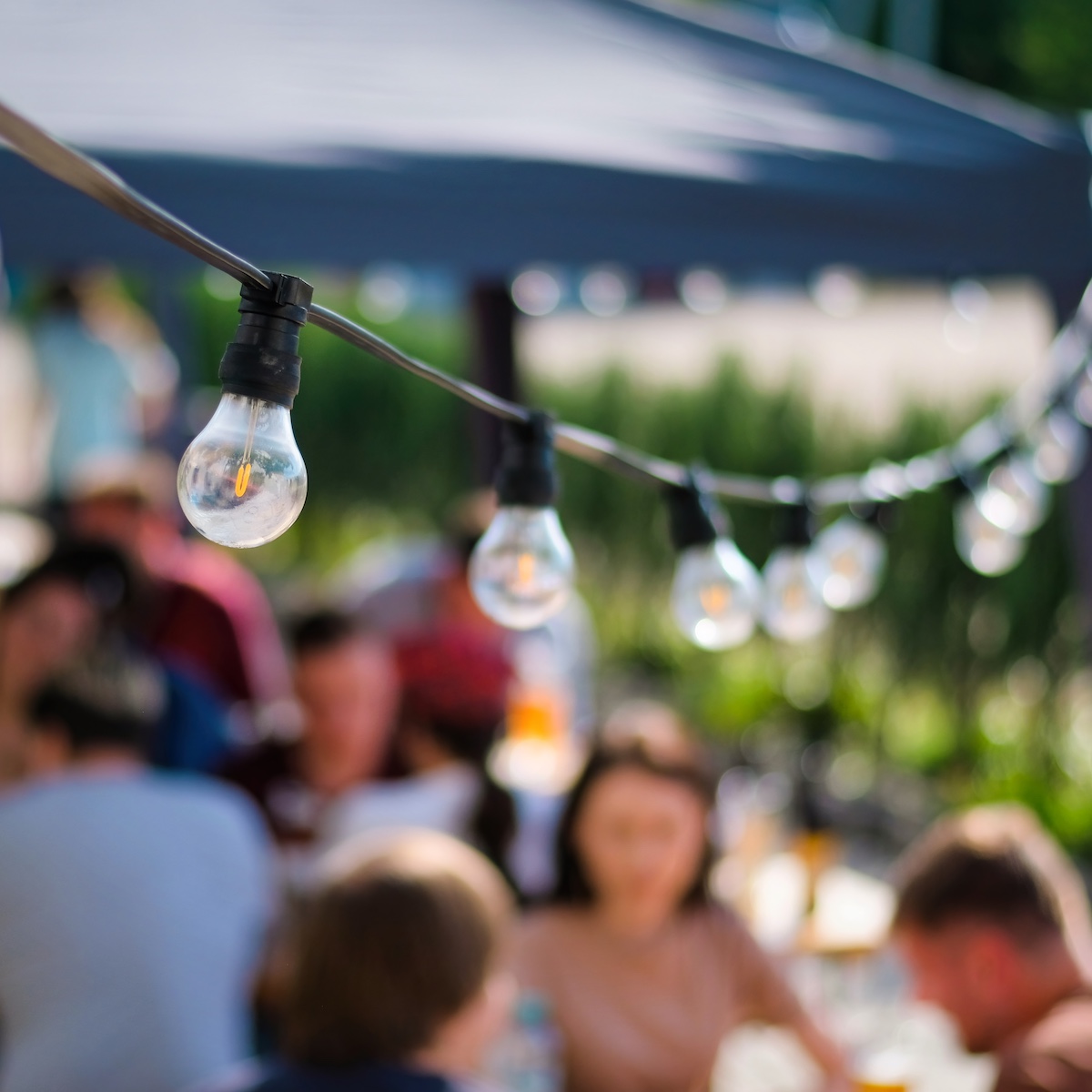
Soft lighting, moveable chairs and clear paths matter more than piles of decorations, even in polished garden-party details where the setting looks effortless.
Adding marquee hire London to the budget early, with flooring, heating, lighting and access, helps hosts shape an outdoor evening before invitations raise expectations.
It also stops the indoor rooms from becoming the back-up plan for every coat, tray and nervous glance at the sky.
Treat Launch Nights Like Social Events
A launch can’t rely on a logo wall and a welcome drink. People need something to do once they’ve said hello, especially if they’ve arrived alone or only know the host.
A short demonstration, tasting, walk-through or conversation with the maker gives the room a reason to gather without turning the evening into a lecture.
Brands have spent more time thinking about live experiences because in-person contact can make a product feel more memorable than another online post.
Smaller businesses can use the same idea without copying big-budget events. Let guests try the product, hear the story behind it and talk to someone who can answer ordinary questions properly.
Keep the Hosting Human
People relax when they can work out the room quickly. Put drinks where guests see them on arrival, avoid music that makes conversation hard, and give quieter corners the same attention as the main photo spot. If food is served later, say so early rather than letting people guess.
- Behind the Science of Modern Skincare: How Research Labs Study Bioactive Peptides in Cell-Culture Models
- What Are the Key Steps for Starting ABA Therapy in Maryland for Autism?
- A Busy Family’s Guide to Keeping the Plumbing Happy
- How to Grow a Home-Based Business Without Putting Your Family Budget at Risk


The small touches matter because they reduce awkwardness. A host greeting guests near the entrance, a clear place for bags, and a few introductions between people with shared interests can change the feel of the whole evening.
Real-world socialising works best when it doesn’t try too hard. Give people a reason to come, enough comfort to stay, and something to talk about on the way home, and the event has already done its job.



Leave a Reply