

Balancing Rest and Activity During Injury Recovery requires more than just time; it demands strategy and self-awareness.
Recovering from an injury can be physically and mentally challenging, requiring patience, discipline, and the right balance of rest and activity.
While it may be tempting to either push too hard in hopes of a quicker recovery or retreat into complete inactivity, neither extreme is ideal.
Rest is necessary to allow the body to heal, but activity helps maintain circulation, muscle rehabilitation, and joint mobility.
Striking the right balance ensures that you don’t prolong recovery or risk reinjury.
Understanding when to rest and when to move is key to rebuilding strength and confidence after an injury.
In this article, we’ll explore how to find that balance, why it matters, and practical strategies for integrating rest and activity effectively during the recovery process.
Jump to:
Understanding the Role of Rest in Healing
Rest plays a crucial role in the body’s natural healing process.
When you suffer an injury, tissues need time to repair themselves, and excessive strain can hinder or even reverse progress.
Rest reduces inflammation, prevents unnecessary stress on the injured area, and provides the body with energy for cellular regeneration.
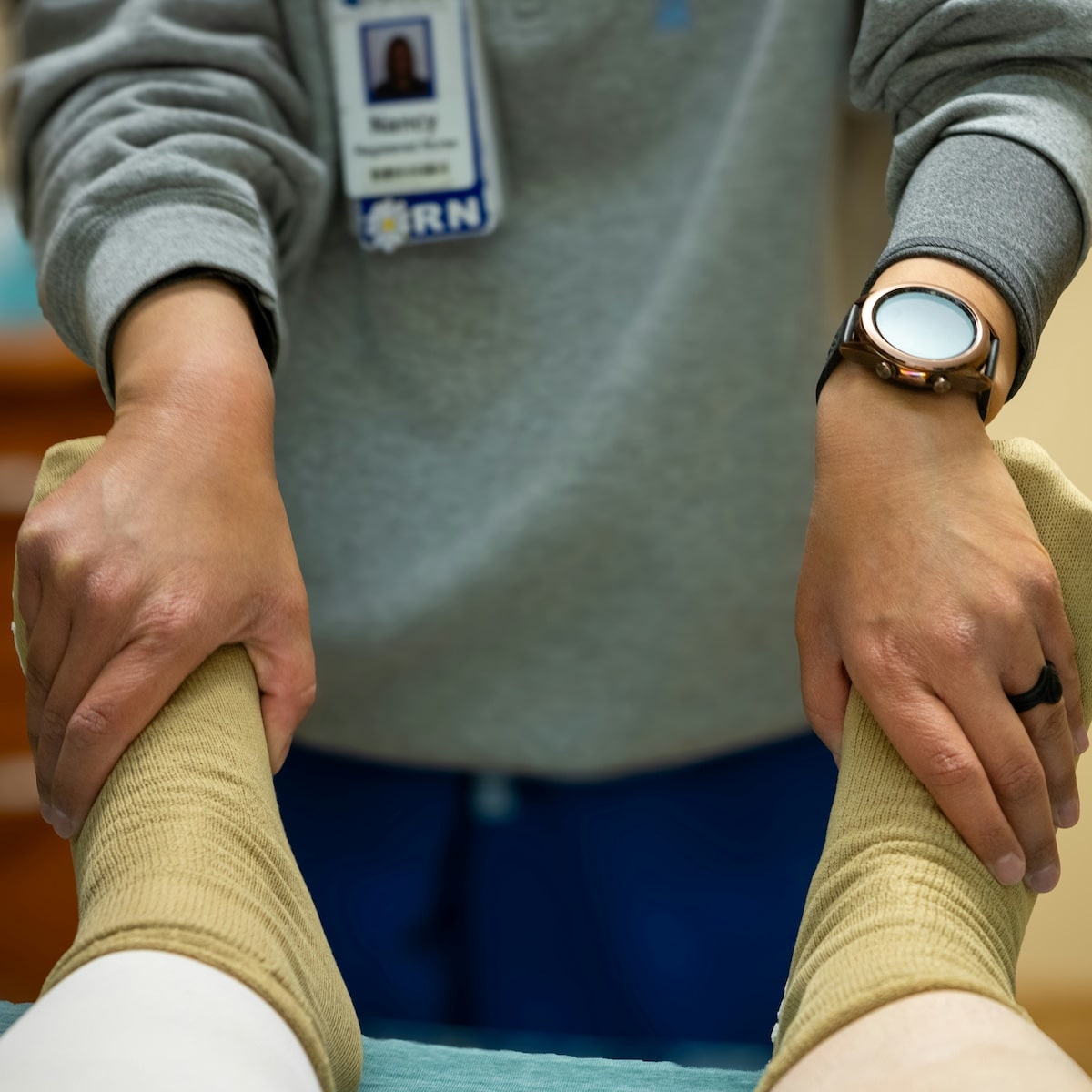
When sprains or fractures happen, immobilisation for a period is often recommended to stabilise the injury. Rest does not always mean complete inactivity.
It involves allowing the injured area to recover while still supporting health through mindful practices like deep breathing, meditation, or light stretching of unaffected areas.
Recognising the importance of rest helps you avoid overexertion and sets the foundation for a strong recovery.
The Role of Professional Guidance
Navigating recovery, whether from a physical injury or a complex life challenge, often benefits greatly from professional guidance.
Experts provide tailored strategies that account for the unique circumstances of each case, ensuring that progress is safe, steady, and effective.
For example, healthcare specialists can design rehabilitation exercises that prevent reinjury, while financial advisors or experienced attorneys can offer critical advice when legal or financial matters complicate the recovery process.
Having a trusted professional by your side reduces uncertainty, provides reassurance, and ensures that every step taken is informed by knowledge, expertise, and a long-term perspective. Individuals who contact Injury 2 Wellness often learn about personalized recovery strategies that align daily movement habits with steady, long-term physical progress. Having clear guidance from the start makes it easier to navigate setbacks and stay focused on rebuilding strength safely over time.
Why Activity Cannot Be Overlooked
While rest is vital, activity is equally important in preventing stiffness, muscle atrophy, and loss of mobility.
Prolonged inactivity can weaken the body, making it more difficult to return to normal function once healing has progressed.
Gentle activity promotes circulation, which delivers nutrients and oxygen to tissues, accelerating the repair process.
Walking, aquatic therapy, or gentle range-of-motion exercises can keep the body engaged without putting unnecessary pressure on the injured area.
By carefully incorporating movement, you maintain strength in supporting muscles and joints, making reintegration into daily routines smoother.
The key lies in controlled and safe activity rather than avoiding movement altogether.
Listening to Your Body’s Signals
One of the most effective ways to balance rest and activity is by paying close attention to your body’s signals.
Pain, swelling, or unusual fatigue are warning signs that you may be doing too much, too soon.
Feelings of stiffness, restlessness, or decreased energy may suggest that more gentle activity is needed.
Every injury and individual is different, meaning there is no universal timeline for recovery.
Learning to interpret your body’s cues can help you adjust your approach, whether that means taking an extra rest day or adding more activity.
Working with a healthcare professional ensures that you understand these signals in the context of your specific injury, reducing the risk of reinjury and promoting optimal healing.
🤖 Looking For An Answer?
Ask AI to summarise this post to see if the article answers your questions:
Psychological Benefits of Balanced Recovery
Balancing rest and activity has significant psychological benefits as well. Too much inactivity can lead to feelings of frustration, helplessness, or even depression for active individuals used to regular movement.
Mindful engagement in safe activities can boost mood, restore a sense of control, and provide motivation during recovery.
Small victories, like regaining mobility in a joint or being able to walk longer distances, offer encouragement and help sustain patience throughout the healing process.
By staying mentally positive, individuals are more likely to adhere to recovery guidelines and avoid the temptation of rushing the process, leading to better long-term outcomes.
- Parents Are Prioritising Breathable, Sustainable Fabrics For Children's Seasonal Sleepwear
- Our Homemade Christmas Printables, Made With AI: What Worked, What Didn't, and What I'm Saving for Next Year
- At-Home vs. In-Lounge IV Therapy in the Hudson Valley: Which Makes More Sense?
- Can Passengers Pursue Compensation After a Car Accident?




Creating a Personalised Balance Plan
Finding the right balance between rest and activity is highly personal, depending on the type of injury, age, health, and lifestyle.
Creating a recovery plan that integrates elements ensures steady progress without unnecessary risks.
This plan might include scheduling rest periods throughout the day, alternating between gentle exercises and relaxation, or incorporating low-impact activities such as yoga or swimming once cleared by a professional.
Tracking progress in a journal can help individuals identify what works best for them and adjust accordingly.
A personalised approach fosters accountability, prevents overexertion, and ensures that recovery is tailored to the unique needs of the body and mind.
Recovering from an injury is a delicate balance of giving your body the rest it needs while gradually reintroducing activity to maintain strength and function.
Neither extreme, complete inactivity nor premature overexertion, supports optimal healing.
By understanding the roles of rest and activity, listening to your body, seeking professional guidance, and maintaining a positive mindset, you can create a recovery plan that supports short-term healing and long-term health.
The journey may be gradual, but with the right balance, it can be an empowering process that strengthens your body and your resilience.





Leave a Reply