

Three proven habits to ensure family safety and protect elderly loved ones include integrating smart wearable technology, conducting monthly home hazard checks, and utilizing local community support networks.
Implementing these consistent routines prevents silent hazards like falls and wandering before they occur. Caregivers who combine environmental modifications with proactive monitoring tools significantly reduce daily anxiety while empowering seniors to age safely at home.
There is a particular kind of quiet unease that often accompanies caring for an aging family member.
Protecting the people you treasure does not require a complete overhaul of your daily life. It simply requires building a lasting foundation of family safety that supports both the caregiver and the senior through manageable daily practices.

Jump to:
1. Embrace Smart Technology to Stay Connected
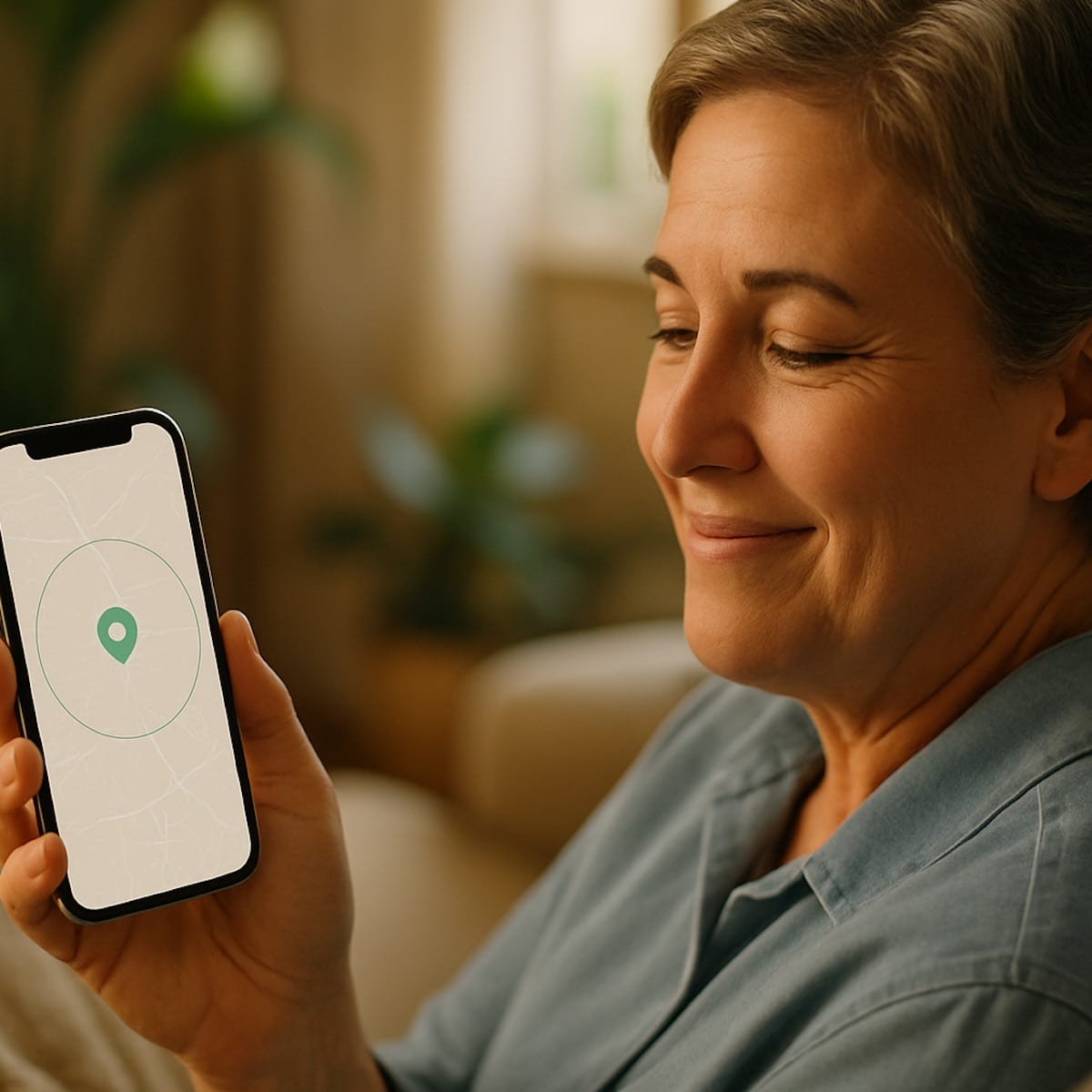
Knowing a family member's exact location dissolves anxiety before it takes hold. For families supporting someone with cognitive decline, modern wearable technology serves as a quiet layer of protection.
According to the Alzheimer's Association, approximately six in ten people with dementia will wander at least once. Wandering is a genuinely frightening safety risk, yet with the right tools, families can respond quickly and calmly.
The key is to reframe technology not as surveillance but as an empowering tool. This perspective allows older adults to maintain their independence. It simultaneously gives families the peace of mind to breathe a little easier.
Integrating Seamless Safety Features
When evaluating elderly care solutions, prioritizing non-medical designs ensures the wearer maintains their dignity.
This makes it far more likely they will actually wear the device daily. Caregivers should look for essential features such as real-time location monitoring and customizable safe-zone alerts.
Families can evaluate options like traditional medical alert lanyards, standard smartwatches, or Tranquil's GPS tracker for the elderly.
Devices that offer extended battery life and waterproof durability eliminate daily charging anxiety.
They ensure uninterrupted protection that seamlessly integrates into a senior's routine without feeling burdensome.
This careful selection process helps families find a balance between comprehensive safety features and unobtrusive design.
Key Insight:
Prioritize unobtrusive, non-medical designs when choosing a GPS tracker. Devices that look like standard accessories preserve dignity while ensuring your loved one actually wears them daily for uninterrupted protection.
2. Schedule Routine Home Safety Checks
Treating a home safety walk-through like routine maintenance prevents minor issues from becoming major hazards.
Most home risks such as a loose rug, a dim hallway, or a depleted smoke alarm battery are entirely preventable. Scheduling a simple monthly check does not have to feel like a chore.
Framed as an act of proactive care, it becomes one of the most meaningful steps you can take for family safety.
A Simple Safety Checklist to Start Today
Work through these key areas during a monthly twenty-minute home walk-through. Involving older family members wherever possible builds their confidence and independence.
General home walk-through: Utilizing resources like the National Institute on Aging home safety checklist ensures every living space is optimized for accessibility and security.
Fall prevention: Removing tripping hazards, improving lighting in staircases, and installing grab bars in bathrooms make a profound difference.
Smoke and carbon monoxide alarms: Test every alarm monthly and replace batteries twice a year. Ensuring alarms are audible from all sleeping areas is a critical home security tip that is easily overlooked.
Medication and chemical safety: Organize prescriptions in clear weekly dispensers and store household cleaners securely out of reach. This habit protects both seniors with cognitive decline and young grandchildren in multigenerational households.
Environmental hazards: For older homes, remain aware of lead paint risks. Resources from the Environmental Protection Agency provide trustworthy starting points for assessing older properties.
Warning/Important:
Do not underestimate seemingly harmless household items. Loose throw rugs and dim hallway lighting are the leading culprits for preventable falls among older adults. Address them immediately.
3. Lean Into Your Community for Support
Caregiving can feel remarkably solitary, and many families carry the weight alone simply because they do not know an entire network of support exists.
Reaching out is a sign of wisdom, not struggle. Remaining connected to the community supports the well-being of both the senior and the caregiver.
Community Resources Worth Knowing
These resources are free, accessible, and highly valuable for families navigating elderly care.
- Area Agencies on Aging: Local organizations across the United States offer services including meal delivery, transportation assistance, and caregiver counseling. The national Eldercare Locator is a valuable tool to find nearby services quickly.
- Local fire departments: Many fire departments offer free home visits to check alarm placement and identify environmental hazards. This is a highly effective and frequently underutilized resource for families.
- Caregiver support groups: Connecting with others experiencing similar challenges effectively relieves stress. These groups provide practical, experience-backed advice for daily living.
- Telehealth services: Virtual healthcare visits remove the logistical challenges of transportation. This makes it easier for older adults to maintain regular contact with their medical teams from the comfort of their living rooms.

Pro Tip:
Call your local fire department's non-emergency line to request a free home safety inspection. Experts will identify hidden environmental hazards and ensure smoke alarms are optimally placed.
Your Next Steps
Protecting a family is about choosing to take small, consistent steps toward greater safety and connection.
Integrating smart technology, scheduling routine home walk-throughs, and leveraging trusted community resources build a comprehensive safety net.
- Parents Are Prioritising Breathable, Sustainable Fabrics For Children's Seasonal Sleepwear
- Our Homemade Christmas Printables, Made With AI: What Worked, What Didn't, and What I'm Saving for Next Year
- At-Home vs. In-Lounge IV Therapy in the Hudson Valley: Which Makes More Sense?
- Can Passengers Pursue Compensation After a Car Accident?




Families exploring these habits establish a supportive environment where older adults maintain their freedom and caregivers experience genuine peace of mind.
Taking proactive action today builds the foundation for a calmer, more secure tomorrow for everyone involved.
Author Profile:
Tranquil is the leading manufacturer and retailer of high-end GPS locator watches for elderly individuals and those with dementia.





Leave a Reply